Hognose Snake
Heterodon spp.
On This Page▾
🌍 Overview
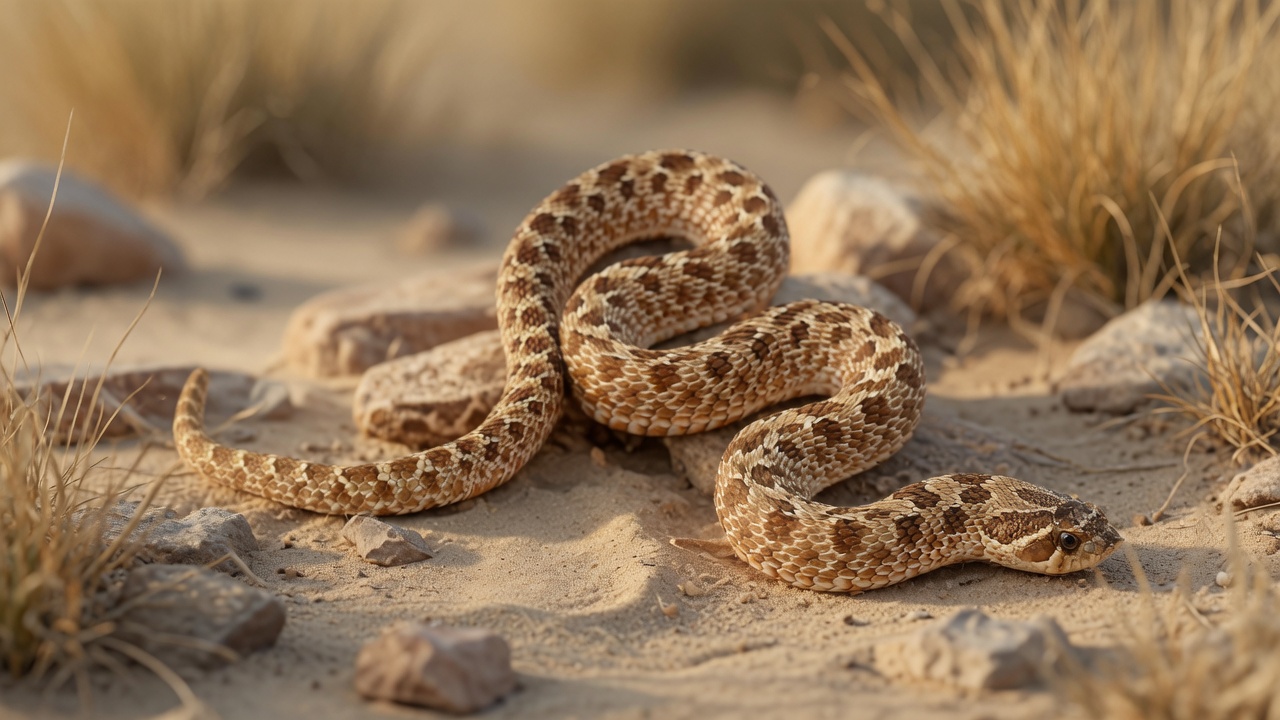
Hognose snakes are famous for their dramatic bluffing behavior - they hiss loudly, flatten their heads cobra-like, and if that fails, roll over and play dead convincingly (complete with open mouth and lolling tongue). Native to North America, they have upturned snouts used to dig up buried toads - their primary wild prey. They are rear-fanged with mild venom effective on toads but harmless to humans in the vast majority of cases.
📋 Quick Facts
Native Range
North America (eastern, western, and southern species)
Natural Habitat
Sandy soil areas, prairies, woodland edges, and coastal plains
Adult Size
1.5-3.5 feet (45-107 cm) depending on species
Wild Diet
Toads, frogs, salamanders, and occasionally small rodents
Wild Lifespan
9-19 years in the wild, averaging 14; 15-20 years in human care
Conservation Status
Least Concern (most species); some state-level protections
📜 History
The western hognose was a marginal animal in the trade for decades, the kind of snake that turned up under the Miscellaneous heading of a pre-Internet reptile price list, interesting to watch but too plain to sell. What changed was a combination of better husbandry information, wider availability, and color and pattern variants that gave breeders something to work toward. Its smaller size, milder bluffing, and flexible diet made it the species the hobby settled on out of the three North American hognoses. Most animals sold now are captive-bred rather than collected.
⚖️ Compare
Hognose Snake
Human
Adult Size
1.5-3.5 feet (45-107 cm) depending on species
5-6 feet (150-185 cm); ~135-200 lbs
Wild Lifespan
9-19 years in the wild, averaging 14; 15-20 years in human care
~73 years (global average)
Wild Diet
Toads, frogs, salamanders, and occasionally small rodents
Omnivorous - eats just about anything
Native Range
North America (eastern, western, and southern species)
Global - originated in Africa roughly 300,000 years ago
Natural Habitat
Sandy soil areas, prairies, woodland edges, and coastal plains
Everywhere from arctic tundra to tropical megacities
Conservation Status
Least Concern (most species); some state-level protections
Least Concern (8+ billion and counting)
🧠 Test Yourself
What's the Hognose Snake's native range?
🤩 Fun Facts
🐍 Tongue Sniffers
Snakes smell with their tongues! They flick their forked tongue to collect chemical particles from the air, then press it into the Jacobson's organ on the roof of their mouth to 'read' the smells.
📖 Care Guide
Hognose Snake Care Guide
The drama queen of snakes: the whole display is bluff!
⚖️ Where it is legal
25 US jurisdictions restrict this species, from outright bans to permits. Every one quotes the rule it comes from.
⚖️ Legal Guide
Subscribe - it's free
New animal facts and care guides straight to your inbox. No spam. 🐾
📰 Deep Dive
🐍 How Much Does a Western Hognose Snake Really Cost?
🐍 How to Handle a Western Hognose Snake (And Why the Drama Is Mostly Bluff)
🐍 Common Western Hognose Snake Health Issues
🐍 Western Hognose Snake Tank Setup: Dry, Deep, and Built for Burrowing
🐍 Hognose Snake Feeding: Prey Size, Schedules, and the Picky Hatchling
🐍 Hognose Enrichment: They Were Asked, and They Chose
🩺 Health and More
🔌 Reptile Emergency Plan: Power Outages, Travel, and Pet Sitters
💧 Reading Reptile Stool, Urates, and Hydration: A Daily Health Check
🧼 Salmonella and Reptile Hygiene: The Rules That Actually Matter
🌡️ Reptile Heating and Thermostats: Preventing Burns
🧫 Reptile Quarantine: Why New Snakes and Lizards Need Months, Not Weeks
🐍 Sexing, Growth, and Body Condition in Pet Snakes
🤓 Did You Know?
When threatened, hognose snakes will flatten their neck, hiss, lunge (mouth closed), and if that fails, flip over and play dead complete with open mouth and tongue hanging out!
Explore More