Cockatoo Handling: Bite Signals, Over-Bonding and Why So Many Are Surrendered
On This Page▾

Cockatoos are extremely social and intelligent, and they bond hard to their people. The same intensity makes the cockatoo one of the most difficult parrots to keep long-term.
This guide covers five cockatoos and notes where care differs by the size of the bird: the small Goffin's and galah, and the large umbrella, Moluccan and sulphur-crested.
A cockatoo is not a bird for an inexperienced owner. It asks for handling and attention all day. The household meets that with company, training and time out of the cage, shared among everyone, because cuddling feeds hormonal behavior problems.
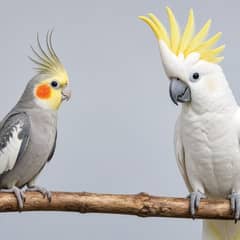
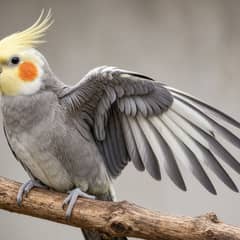
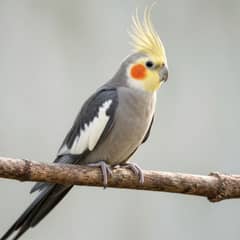
The cockatiel, technically a small cockatoo, is the exception: it is one of the easier pet birds to keep well. The large white cockatoo species are a different proposition entirely.
The First Days Home
Have the new bird checked by an avian vet as soon as you get it, within the first week or two. If other birds live in the house, the newcomer spends 30 to 45 days in quarantine in a separate room before it meets them.
Give the bird a few hours to itself when it first arrives, so it can find its food and water and settle on a favorite perch. How soon handling starts after that depends on the bird. A confident youngster used to hands-on play may want it right away. A rescue, an older bird that has not been handled much, or a fearful one needs a couple of weeks or more to get used to the house before any taming starts, and its surroundings should change as little as possible in that time.
The bird shows when it is ready: it eats or preens with you nearby, watches with interest while you clean the cage, or comes toward a treat you hold out. Handling then starts with the food-from-the-hand step below, and the whole household takes part from the start, so no one person becomes the bird's only comfort.
Teaching the Step-Up
A cockatoo steps up once it trusts the hand, and that trust is built in three stages.
- Food from the hand. Offer a reward from your fingers until the bird takes it calmly with your hand close by. Almond slivers or small pieces of carrot work well.
- Onto a stick. Teach the bird to step onto a perch stick held in front of it, rewarding each step.
- From stick to hand. Once it perches on the stick without fuss, bring the hand holding the stick a little closer each session until your hand replaces the stick as the perch.
Offer the stick or hand toward the bird's upper legs and lower chest, and move slowly, without sudden movements or loud noises that would alarm the bird. Keep sessions to once or twice a day and short at first, lengthening them on the step-by-step parrot training schedule only while the bird stays relaxed. Do not handle a bird that is already worked up. A cockatoo that has to be held for an injury or a vet visit goes in a towel, wrapped around its back with no pressure on its chest.
Bite Risk and What to Do When It Bites
Large cockatoos have a strong bite, and one from a bird this size can require stitches. Aggression often increases at sexual maturity, 5 to 6 years old in the large species, sometimes catching owners of a previously sweet, cuddly bird off guard.
Keep your fingers together and curled inward when you offer a hand, because a flat surface is harder to bite than single fingers. A cockatoo stepping up often reaches out with its beak to steady itself, using it as a third hand, so hold still when it does: pulling away suddenly can startle the bird into biting.
If the bird does bite, stay calm and give it no reaction beyond setting it back on its perch. No scolding and no raised voice: a bird does not take either as a reprimand, and to a cockatoo any reaction is attention, the same rule the Noise section below applies to screaming. Never hit a cockatoo. It learns nothing from it except to fear hands, and it loses its trust in you.
Reading a Cockatoo Before It Bites
The crest is the first thing to read, and it does not mean one thing. A raised crest can mean anything from courtship and curiosity to fear, frustration, or a warning that a bite is coming, and a lowered crest means calm and approachable.
- Eye pinning. The pupils expand and contract to a pinpoint, a sign of strong excitement, good or bad. Keep fingers away from the face until they settle.
- Tail fanning. A flaring tail is a serious warning signal that often goes with aggression. Do not offer a hand.
- Head lowered and body leaning forward, beak held open, lunging, foot tapping. All signs of excitement or aggression. Let the bird calm down first, because an overstimulated parrot can bite as hard as an aggressive one.
- Feathers held flat, a stiff skinny posture, head high and forward. That is fear. Find the cause and remove it, or introduce it gradually.
- Beak grinding, soft fluffed plumage, body flattened out, facial feathers fanned over the beak. Contentment, and the bird you can pick up.
None of these outranks the others, and none is foolproof. Until the crest comes down and the pupils stop pinning, the bird stays on its perch.
Over-Bonding and the Household Rules That Prevent It
A cockatoo that is petted like a cat decides it has a mate. Stroking the body mimics mating cues and can trigger hormonal behavior and aggression, so pet a cockatoo on the head only, never the body. The wish to cuddle comes from the people, and the bird reads it as courtship.
These birds often bond to one owner and mistake that person for a mate. An owner who encourages it can end up with a bird that turns aggressive toward the rest of the household and cannot cope whenever its chosen person is out of sight.
Too much attention, above all intense one-on-one time in the first weeks, cements an anxious dependency, so the household follows three rules:
- The bird learns to entertain itself, and any independent play earns a reward.
- Friends and family work with it the same way you do.
- It meets different people over time.
Children and Other Pets
A cockatoo's jumpy nature and strong bite make it a poor fit for a family with young children. Cats, dogs, ferrets, snakes and lizards can all be a danger to a bird, so a cockatoo is never left alone with another pet.
Time Alone, and Why So Many Are Given Up
Thousands of cockatoos are given up to rescues every year because of loud or destructive behavior. Both grow out of the same bond that made the bird appealing in the first place, and that bond turns into separation anxiety when the bird is left alone.
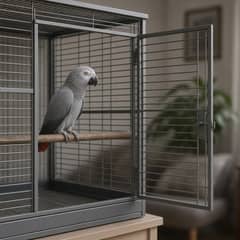
A work day with no one home is too long for a cockatoo to be alone, and many scream for attention whenever they are left. The bird needs people every day and a great deal of time outside its cage, little of it spent petting the body. A household that is empty all day is a poor fit.
When those needs go unmet, the bird turns loud and destructive, and it tends toward feather-destructive behavior, sometimes escalating to self-mutilation. Contact calls are normal cockatoo behavior, but constant screaming is a sign something is wrong, and the screaming and the plucking trace back to the same unmet need.
A cockatoo sleeps in. Other parrots wake at dawn or just before, but a cockatoo tends to stay asleep until the sun is up.
Source: Chicago Exotics Animal Hospital
Noise, Leases and the Neighbors
A cockatoo has a loud, harsh, penetrating voice and is a poor fit for anyone sensitive to noise, and the stress lands on the neighbors as well as the owner. Most of that noise runs on a schedule. The flock call tends to come in the morning and again in early evening, in loud bursts. High-pitched screaming outside those windows usually points to a bored or lonely bird, and sometimes to a medical problem worth a vet visit.
What lowers the volume is an outlet for the bird's energy and enough mental work to fill the day. When the bird screams, do not go to it, answer it or scold it. Any attention, a scolding included, teaches the bird that screaming works, and giving in once undoes the progress. Reward quiet or talking instead, and expect a bird that has learned to scream to take a long time to unlearn it.
Read the lease and any condo or co-op pet rules before the bird comes home: only the written words count, whatever a manager promises out loud, and a pet that draws nuisance complaints gives a landlord something to act on. Local noise law can reach a bird too: Miami-Dade County lists noisy birds next to barking dogs as a possible ordinance violation, and officers who hear the noise may issue a $100 fine on the spot and another each time they come back and hear it.
Living With a Bird That Bonds This Hard
The bond is the reason people want a cockatoo and the reason so many are given up. Spread it across the household from the first weeks, read the crest and the eyes before offering a hand, and plan the day around a bird that cannot be left alone for long.
Sources & Further Reading
Last reviewed 7 Sep 2026 · 6 sources
- Lafeber Company: LafeberVet, Reading Bird Body Language (client handout); Ask Lafeber, Screaming Conure; Teaching Your Bird
- Chicago Exotics Animal Hospital: Cockatoo Care
- VCA Animal Hospitals: Taming, Training, and Talking to Birds; Cockatoos, General Information; Introducing a New Pet Bird; Veterinary Care: New Bird Visit; Household Hazards and Dangers to Birds
- Merck Veterinary Manual: Choosing a Pet Bird; Injuries and Accidents of Pet Birds
- Humane World for Animals: Tenant Information for Renters with Pets
- Miami-Dade County: Report Animal Nuisance
Frequently Asked Questions
Why are cockatoos so often surrendered?
The demands outrun what most owners signed up for: a bird that needs people every day, screams when it is short of them, and chews what it can reach. Thousands are given up to rescues each year.
Why do cockatoos develop such intense behavioral problems?
The bond itself. A bird attached this hard panics when its person leaves, and the unmet need shows up as plucking, self-injury or constant screaming. Contact calls are normal for a cockatoo.
Do cockatoos bite hard?
Yes. A bite from a large cockatoo can need stitches, and a bird that was cuddly when young often turns more aggressive once it matures, at 5 to 6 years in the large species.
What's the biggest mistake new cockatoo owners make?
Too much one-on-one time in the first weeks, which teaches the bird it cannot cope without that one person. Close behind is underestimating the time: a cockatoo needs people every day and a great deal of time out of its cage.
Can I keep a cockatoo if I work full time?
Not if the house stands empty while you are at work. A full work day alone is too long for a cockatoo, and a lonely one turns to screaming, plucking or chewing up the house.
Should I tell my cockatoo no when it bites?
No. A bird does not read a scolding as a reprimand, so a bite gets nothing beyond being calmly put back on the perch. To head off the next one, offer curled fingers and hold the hand still when the bird reaches with its beak.


Written by Michael Ryan
Mike has looked after a neighbor’s cockatoo on and off for years.
Mike keeps two rescued bearded dragons, Dex and Cera, and writes the care guides on BeastlyFacts from his own research and mistakes. He is not a veterinarian.
More about Michael Ryan →You May Also Like
Subscribe - it's free
An occasional email when something new is worth your time. No spam.
Health and More