Common Cockatoo Health Issues and What Causes Them
On This Page▾

A cockatoo's health problems are behavioral as well as medical, and feather plucking is common enough in cockatoos to stand alongside the illnesses. Both kinds start the same way for the owner: a change in how the bird looks, eats, sounds or sits.
This guide covers five cockatoos and notes where care differs by the size of the bird: the small Goffin's and galah, and the large umbrella, Moluccan and sulphur-crested.
When a Cockatoo Needs the Vet
Birds hide signs of illness, so a sick cockatoo can look nearly normal until it is quite ill. Treat any sign you can see as worth acting on, and sort it by how fast it needs the avian vet.
Same day, as an emergency:
- The bird is huddled, weak, unresponsive or sitting on the cage floor.
- It breathes with its beak open or bobs its tail with each breath.
- Bleeding has not stopped.
- It may have chewed or swallowed metal, or breathed fumes from overheated nonstick cookware.
- Tissue is showing at the vent.
Within about a day:
- Droppings stay abnormal for more than 24 hours.
- The bird eats or drinks noticeably more or less than usual, or brings food back up.
- It sits fluffed up, sleeps more than usual with its eyes closed, or stops preening.
- Its weight drops 3 days in a row, or falls 10% at any point.
- A settled bird suddenly changes how it calls or behaves.
Watch and write it down:
- One odd dropping from a bird that is otherwise eating, calling and acting normally. Check the next few, and move it up a tier if they stay off.
While You Wait for the Vet
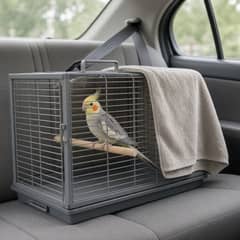
Set the sick bird up in a quiet, low-activity spot and keep the room at 80 to 90°F until the vet can examine it. For the drive, set the carrier on a heating pad or next to a warm water bottle.
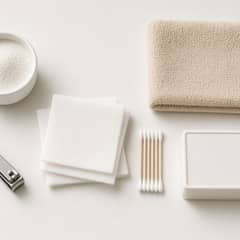
Bleeding needs one look before anything else: is blood still coming, or is it dried? Once bleeding has stopped, leave the clot alone, because touching it can start the bleeding again, and have the bird examined as soon as possible anyway. Bleeding that keeps going is an emergency. Styptic gel, such as Kwik Stop gel swabs, is for minor bleeding from a feather, the beak or a nail only. Skip styptic powders, which the bird can inhale, and never put styptic on an open wound or on skin. A broken blood feather, a new feather that still has a blood supply, can keep bleeding until the rest of the shaft is pulled, and that is a job for the avian vet.
If the bird has to be held for any of this, wrap a towel gently around its back and keep all pressure off its chest, which makes it hard for the bird to breathe.
Knowing Your Bird's Normal
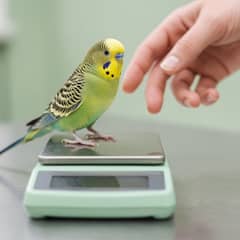
Weight. A kitchen scale that reads in grams catches weight loss long before it shows on the bird. Weigh the cockatoo every day before breakfast, at the same time, and keep a log. The avian vet records a weight at the first visit, which gives you a baseline to compare against.
Droppings. A normal dropping has three parts: a green or brown formed stool, white urates, and clear liquid urine. Learn what your own bird's droppings look like, because any change from that is the thing to notice, and the changes in each of the three parts point to different problems.
The avian vet. Choose a vet who is qualified and experienced with birds, ideally a member of the Association of Avian Veterinarians in good standing, and book the first visit within 1 to 2 weeks of bringing the bird home. After that, a cockatoo needs a checkup every year: a physical exam plus lab work such as blood and stool tests, which can pick up liver trouble before the bird shows it.
Beak, nails and wings. Wood and other things to chew wear the beak down, so a healthy cockatoo rarely needs a beak trim. A beak or nails that look overgrown are a reason to see the vet, because overgrowth can point to a poor diet or liver disease. Nails may need trimming now and then, and cutting too far hurts the bird. Leave wing trims to a professional.
Cloacal Prolapse
In a cloacal prolapse, the inner tissue of the cloaca pushes out through the vent, sometimes exposing the intestine or the oviduct. It happens frequently in cockatoos, most often in sexually mature females, and mature umbrella and Moluccan cockatoos are the classic cases.
Hand-raised birds with delayed weaning are more prone, and so are birds that treat one person as a mate or parent: they hold droppings for long stretches, strain while begging for food, and the misplaced sexual behavior stretches the vent.
Successful treatment depends on catching it early, so tissue showing at the vent means an avian vet visit right away. Treatment combines surgery with behavior change: no stroking the bird's back, no feeding from the mouth or courtship-style hand-feeding, and no cuddling it against the body, so it stops reading the owner as a partner.
Swallowed Metal and Other Objects
Cockatoos chew and swallow things that are not food: wires, furniture and paint in particular. Metal is the dangerous one, because lead and zinc poisoning are life-threatening. Zinc comes from galvanized toys, chains, mesh, bells, keys and pennies made after 1982. Lead comes from paint made before 1978 and other household items, which puts old paint among the household hazards to clear from any room a cockatoo plays in. Lead and zinc have also been found in some imported bird toys, so check every new toy for peeling paint or peeling metal before it goes in the cage.
Signs of metal poisoning include loss of appetite, weakness, bringing food back up, diarrhea, drinking and urinating more, wobbling, and in lead cases seizures. If you think the bird chewed or swallowed metal, call the avian vet straight away, or the Pet Poison Helpline at 1-800-213-6680, which answers around the clock, and bring the suspected item along. Close supervision whenever the bird is out of its cage is the prevention.
Psittacine Beak and Feather Disease (PBFD)
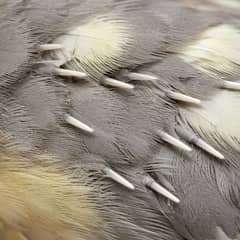
PBFD is a circovirus first described in Australian cockatoos, and white cockatoo species are noted for the beak malformations it causes. Watch for abnormal or clubbed feathers, loss of the normal powder-down coating (a glossy-looking beak is a sign), and beak deformity.
PBFD is life-threatening: there is no specific treatment, most infected birds eventually die, and the virus is highly contagious. It strikes mainly young birds, with few clinical cases past three years old. Screening by PCR has greatly cut how often the virus turns up in captive-bred cockatoos, which is the case for testing every new bird before purchase and quarantining it before it meets an established one.
A cockatoo's yearly checkups can run for decades. Most live 25 to 45 years, and the larger species can reach 70 to 80 or more.
Source: VCA Animal Hospitals: Cockatoos, General Information
Feather-Destructive Behavior (Feather Plucking)
Cockatoos pluck more than most other parrots. Watch for over-preening down to bare skin and, in serious cases, self-mutilation. The behavioral causes are stress, boredom, loneliness, separation anxiety and poor early socialization. Medical triggers can cause the same feather loss, among them PBFD and a bacterial or yeast infection of the skin, and they need to be ruled out first.
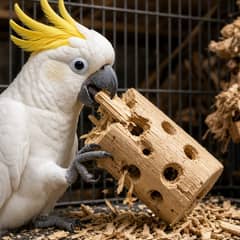
Always start with an avian vet visit before assuming the plucking is purely behavioral. Once medical causes are excluded, a behavioral case is managed by meeting the social and emotional needs that drive cockatoo plucking through consistent enrichment and routine, instead of treating the bare patches alone. A steady rotation of destructible foraging toys is a standing part of that enrichment. Those needs are rooted in the bird's psychology, which is what makes behavioral cases so hard to shift.
Lipomas (Fatty Tumors)
A lipoma is a benign fatty tumor. It shows up as a soft, pale yellow swelling under the skin, most often on the breastbone or the belly, though it can grow anywhere on the body. Some owners find it as a lump. Others only notice that the bird looks fatter or heavier than it did.
Galahs (rose-breasted cockatoos) and sulphur-crested cockatoos are among the birds that get them, and both are species prone to obesity. Lipomas go with poor nutrition, excess weight, thyroid problems and genetics, and the birds that have them are often on a high-fat, all-seed diet.
Any new lump is a reason to see the avian vet. Caught early, most lipomas shrink or clear with a change of diet, so the vet starts there: a slow switch to a low-fat diet of pellets and vegetables with a little fruit, plus more exercise. The pellet-to-fresh-food ratio and portions are where that switch is made. Surgery is for a lipoma that does not shrink with diet and exercise, one large enough to throw off the bird's balance, or one that has broken through the skin.
Hepatic Lipidosis (Fatty Liver Disease)
In fatty liver disease, fat builds up in the liver until the organ stops working well. It grows out of the same high-fat, seed-heavy eating, cockatoos are among the birds it turns up in most, and hand-raised babies fed a formula too high in fat can develop it too.
The liver is out of sight, but the signs an owner can see are these:
- An overweight bird, with fat deposits on the chest and belly.
- A beak that grows fast and out of shape, and overgrown nails.
- Black spots on the beak or nails. They are small bleeds, because a failing liver leaves the blood clotting poorly.
- Poor feathering.
- Green-tinged urates.
Any of these is a reason to book the avian vet. The vet looks for liver disease with a physical exam and blood tests, and a liver biopsy is what confirms fatty liver for certain. Treatment is mostly diet: a switch to a low-fat pelleted diet, made carefully because some birds refuse a sudden change, with medication in severe cases. A bird with fatty liver can collapse or even die from the stress of a routine beak trim, so an overgrown beak gets a vet exam before anyone trims it.
Overweight birds are the ones prone to fatty liver, and lipomas go with excess weight too, so the weigh-ins are the early warning for both. A cockatoo whose weight keeps climbing moves onto pellets with measured portions.
When Screaming or Behavior Suddenly Changes
Take a settled cockatoo to the vet when its calls or habits suddenly change, because the change can be the first sign of pain or illness. Cockatoos also often regress to juvenile behavior, begging and acting like a baby again, and that can be a very early sign of serious illness. Screaming on its own is a behavior problem rather than a disease, though the noise is a main reason cockatoos are given up.
Heading Off Illness at Home
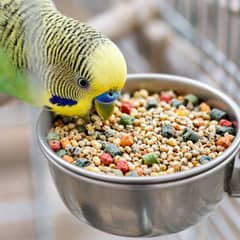
Most of what goes wrong with a cockatoo's health starts in the daily routine: a seed-heavy bowl, too many hours without company, a new bird brought straight in without quarantine. Each of those is a decision made at home, and the diseases they lead to are far easier to prevent than to treat, PBFD above all. For the bowl, that means a formulated pellet made for cockatoos and other large parrots, such as Harrison's High Potency Coarse, at the center of the diet. The morning weigh-in and a look at the droppings are what catch the rest early.
Sources & Further Reading
Last reviewed 26 Jul 2026 · 5 sources
- VCA Animal Hospitals: Psittacine Beak and Feather Disease in Pet Birds; Cockatoos, General Information; Why Are My Bird's Droppings Important?; Household Hazards and Dangers to Birds; Veterinary Care: New Bird Visit; Tumors in Birds: Lipomas
- Merck Veterinary Manual: Viral Diseases of Pet Birds; Signs of Illness in Pet Birds; Injuries and Accidents of Pet Birds; Toxicoses of Pet Birds; Grooming and Routine Care of Pet Birds; Management of Pet Birds; Nutritional Diseases of Pet Birds
- Peter S. Sakas, DVM, Niles Animal Hospital and Bird Medical Center: Obesity/Hepatic Lipidosis (Fatty Liver Disease) (PDF, downloads)
- Michael P. Jones, DVM, Dipl. ABVP: Nutritional diseases can still pose problems for companion avian species (dvm360, 2004)
- Lafeber Company: LafeberVet, Recognizing Signs of Illness in Birds; LafeberVet, Evaluation of Droppings; Is Your Pet Bird a Healthy Weight?; Ask Lafeber, Broken Tail Feather?
A sick cockatoo is no time to be scrolling. The Cockatoo Care Package puts these red flags, a symptom quick reference and an emergency card on paper, in a 49-page PDF, $8.99. Includes the Universal Pet Kit free: health and medication logs you can fill in.
Frequently Asked Questions
What causes feather-destructive behavior in cockatoos?
Most often an unmet social or emotional need: stress, boredom, loneliness, separation anxiety or a poorly socialized start in life. PBFD and skin infections can strip feathers the same way, so an avian vet checks for those before the plucking is treated as behavior.
What is psittacine beak and feather disease (PBFD)?
A circovirus that damages a parrot's feathers and beak, first found in Australian cockatoos. There is no specific treatment, most infected birds eventually die, and it passes easily from bird to bird. A PCR test at the vet confirms it.
What are the warning signs of PBFD?
Feathers growing in deformed or clubbed, a beak that has lost its dusty coating and turned glossy, and a misshapen beak. A new bird showing any of them stays apart from an established flock.
Are lipomas and fatty liver disease related in cockatoos?
Yes. Both grow out of a fatty, seed-heavy diet and the weight it puts on, so an overweight cockatoo is a candidate for both. A soft lump under the skin points to a lipoma. A beak growing fast and out of shape, or black spots on the beak or nails, points to fatty liver.
Is screaming always just a behavioral issue in cockatoos?
Usually, and the noise is one of the main reasons these birds end up in rescues. A settled bird whose calls or habits suddenly change, or one that starts begging like a chick again, may be in pain or sick and should see a vet.
What's the single biggest preventable cause of cockatoo health problems?
Diet. A seed-heavy bowl sits behind both of the fat-related diseases, while too little company and enrichment sit behind plucking, and skipped quarantine is how PBFD gets into a home.
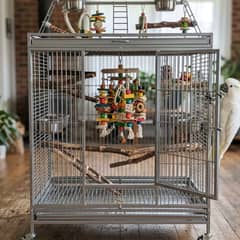
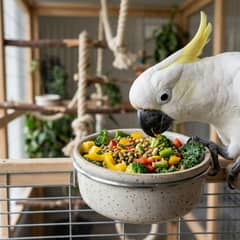
Recommended Gear
As an Amazon Associate I earn from qualifying purchases through the links above, at no extra cost to you.

Written by Michael Ryan
Mike has looked after a neighbor’s cockatoo on and off for years.
Mike keeps two rescued bearded dragons, Dex and Cera, and writes the care guides on BeastlyFacts from his own research and mistakes. He is not a veterinarian.
More about Michael Ryan →You May Also Like
Subscribe - it's free
An occasional email when something new is worth your time. No spam.
Health and More