Bird Dust: What It Is, Which Parrots Make It, and When It's Harmful
On This Page▾

Bird dust is the fine white keratin powder that cockatoos, African grey parrots, and cockatiels shed every day from a special kind of feather called powder down. In a closed-up room it settles on every surface and gets breathed in by everyone living there, and in a documented but uncommon number of long-term owners it causes a lung disease in the person: bird fancier's lung. Few people look it up before bringing one of these species home, because nothing about a healthy, dusty parrot looks like a medical problem.
What Powder Down Is
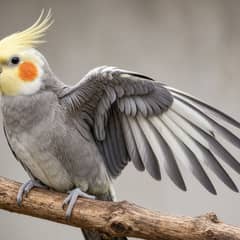
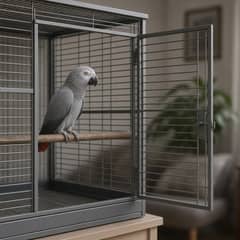
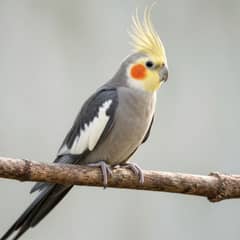
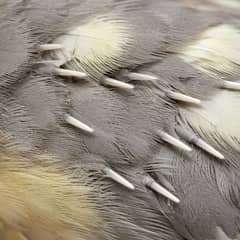
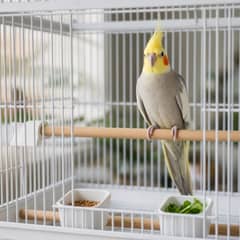
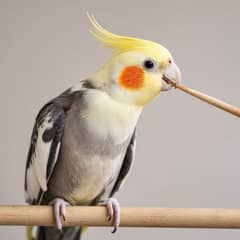
Most feathers replace themselves once a year in an ordinary molt and otherwise just sit there. Powder down is different. It's a specialized type of feather that grows continuously, and instead of shedding on a yearly cycle, the tips of its barbules break down on an ongoing basis into a fine keratin powder that the bird spreads through its plumage during preening, giving the rest of its feathers a dry, waterproof coating. African grey parrots and cockatoos normally carry this powder on their feathers, and cockatiels and cockatoos produce it in large amounts.
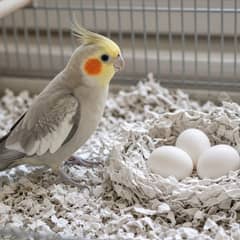
Practically, these three species shed a visible white or gray film onto perches, cage bars, nearby furniture, and the air itself every day of the year. A healthy bird producing powder down isn't sick, and a layer of dust on a shelf near the cage is normal for these species. It's also not something you can stop: the powder protects the bird's feathers, and a healthy bird keeps making it.
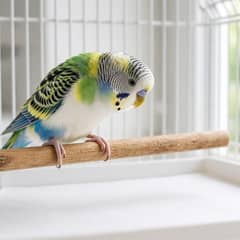
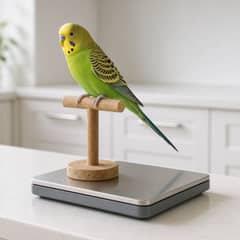
A budgie, a lovebird, or most finches don't produce anywhere near this volume of dust. Heavy daily feather dust is a cockatoo, African grey, and cockatiel consideration.
Bird Fancier's Lung: When the Dust Becomes a Human Illness
Prolonged exposure to avian proteins carried in that dust, and in dried droppings, can trigger a real immune-mediated lung disease in people. The disease is hypersensitivity pneumonitis, in this form also called bird fancier's lung, caused by breathing in substances that include bird droppings, feathers, and animal fur. Having pet birds in the home raises the risk, not only working with them professionally or breeding them, and the condition tends to be diagnosed in people between 50 and 70 years old.
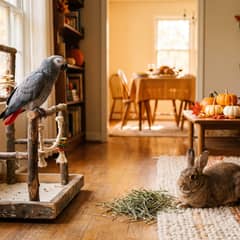
A 2025 case report in the medical journal Cureus, by Louay Kila and colleagues, describes bird fancier's lung as a subtype of hypersensitivity pneumonitis "resulting from the repeated inhalation of avian proteins found in bird droppings, feathers, and serum." That patient kept pigeons. A 2024 case report in the same journal, by Rafique and colleagues, shows the disease coming from parrots in an ordinary home: a young woman who had kept a macaw and an African grey for a few years, and whose doctors named the birds as a key factor in her illness.
Symptoms include shortness of breath, cough, and a flu-like illness with fever, chills, and muscle or joint pain, along with long-term bronchitis and weight loss, and they can build slowly over months or years. Diagnosis involves a physical exam, lung tests, blood tests, and sometimes a precipitin test that checks for antibodies to the specific protein involved. None of that happens in a bird owner's living room. It happens with a doctor, and it usually only happens once someone thinks to ask about exposure in the first place.
If you develop a cough, breathlessness, or a flu-like illness that lingers or keeps coming back, tell your doctor you keep a parrot. Early changes in the lungs can be too subtle for an ordinary X-ray, so the bird in the home is often the clue that points toward the right tests. Cutting the exposure is part of how the disease is treated.
Without proper management, hypersensitivity pneumonitis can cause permanent lung damage and progress toward pulmonary hypertension or heart failure. "Early recognition and intervention" matter because untreated cases can progress to chronic disease "which may result in irreversible pulmonary fibrosis," permanent scarring of lung tissue. Management in the pigeon case combined "reduction of exposure to avian proteins, and the use of corticosteroid therapy," and the patient was "advised to remove the pigeons from his household." A doctor manages the disease, and removing or sharply cutting the exposure is part of the treatment.
Bird fancier's lung is uncommon, and most owners of powder-down species never develop it. The exposure is real and the mechanism is documented in the peer-reviewed medical literature, and the two steps that matter most, cutting the dust down and telling a doctor about the bird, cost nothing.
The Control Hierarchy: Cutting Exposure Without Giving Up the Bird
Every step below works with a healthy, well-loved bird still in the home. Treat the dust the way you'd treat any other airborne particulate you can't eliminate at the source: filter the air, reduce what gets airborne in the first place, and stop redistributing what's already settled.
| Control measure | What it targets | Practical notes |
|---|---|---|
| HEPA air purifier in the bird's room | Airborne keratin dust already in the air | Many cockatoo owners run a HEPA air filter in the room specifically because of how much dust these species produce |
| Bathe or mist the bird regularly | Dust before it sheds and becomes airborne | Mist daily, or take the bird into the shower, to keep powder from spreading through the house |
| Damp-wipe surfaces | Settled dust on perches, sills, and shelves | Dry dusting or sweeping re-suspends fine particles into the air you're about to breathe; a damp cloth traps it instead |
| Hard flooring instead of carpet in the bird's room | Dust that would otherwise sit in carpet fibers | Carpet holds fine particulate the same way it holds pet hair, and vacuuming only lifts a fraction of it back out |
| Keep the cage out of the bedroom | Hours of cumulative overnight exposure | A bedroom is where you spend a third of your day; a well-ventilated common room gives the same companionship with far less nightly exposure |
| Improve general room ventilation | Overall concentration of dust in the air | Fresh air thins out the dust hanging in the room, and vets call good ventilation critical for macaws kept with powder-down birds |
A HEPA purifier sized for the room does the most work with the least daily effort, which is why it's usually the first thing recommended. A unit like the Levoit Core300-P covers a typical living room or bird room and runs continuously without much attention, which matters more here than a purifier you have to remember to turn on. But a purifier alone doesn't replace the rest of the list. Damp-wiping instead of dry dusting, bathing the bird so less dust sheds loose to begin with, and simply not sleeping in the room where the dust is heaviest all reduce the total load the purifier has to keep up with, and none of them cost anything beyond a slightly different cleaning habit.
It's the same logic as running an exhaust fan while cooking or opening a window after painting: manage a known airborne particulate sensibly, and keep the bird.
The Same Dust Spreads Disease Between Birds, Too
Feather dust isn't only a human air-quality issue. It's also the transmission route for psittacine beak and feather disease (PBFD), the viral disease that attacks feather and beak growth in parrots. Infected birds shed the virus in their feathers, dander, and droppings, and other birds pick it up by touch or by breathing in the dust, the same dust that reaches people. That overlap is part of why a HEPA purifier and good general hygiene around a powder-down bird's cage pull double duty: they're cutting down the same airborne material that matters for both risks at once. PBFD's signs, from stunted feathers to a flaky beak, are part of the wider picture of feather loss in pet birds. PBFD mainly affects young parrots. Screening has made it uncommon in captive-bred cockatoos, the birds it was first found in, and it is rare but still seen in African greys, Eclectus parrots, lovebirds, and lorikeets.
Airborne danger also runs the other way: fumes and chemicals in the same room can harm the bird itself, one of the household hazards for pet birds to plan for when setting up a powder-down species' room.
Before a Powder-Down Parrot Comes Home
A cockatoo, African grey, or cockatiel can be an excellent, long-lived companion, and most of their owners never develop bird fancier's lung. The dust is part of the bird, so the time to plan for it is before one arrives, especially in a household where someone already manages asthma, allergies, or another lung condition, and the choosing a pet bird guide weighs these species against lower-dust ones like a budgie or lovebird. Once the bird is home, a purifier, a damp cloth, and regular baths keep the load down, and a lingering cough is the moment to tell your doctor about the parrot.
Sources & Further Reading
Last reviewed 14 Sep 2026 · 6 sources
- NHLBI, NIH: Hypersensitivity Pneumonitis
- Kila L, Sheikh J, Casserly B, Hazri S, Amin I. Advanced Imaging and Occupational History in the Diagnosis of Bird Fancier's Lung: A Case Report. Cureus, 2025 (PMC)
- Rafique M, Arslan F, Khan J, Zaki S, Hussain A. Hypersensitivity Pneumonitis: An Interesting Case of Acute Shortness of Breath in a Young Patient. Cureus, 2024 (PMC)
- Merck Veterinary Manual: Miscellaneous Diseases of Pet Birds; Viral Diseases of Pet Birds; Skin and Feather Disorders of Pet Birds (Bird Owners edition)
- VCA Animal Hospitals: Cockatoos, General Information
- LafeberVet: Basic Information Sheet, Cockatoo; Why Feathers Are Nature's Finest Design
Frequently Asked Questions
What is bird fancier's lung?
It's a common name for a form of hypersensitivity pneumonitis, a lung condition where the immune system overreacts to something inhaled repeatedly, in this case avian proteins in feather dust, dander, and dried droppings. It is an immune response to substances like bird droppings and feathers, and having pet birds in the home is itself a recognized risk factor, not just working with birds professionally.
Which pet birds make the most feather dust?
Cockatoos, African grey parrots, and cockatiels are the three commonly kept species with true powder down, a type of feather that continuously grows and flakes into fine keratin powder rather than shedding once a year like ordinary plumage. All three produce large amounts of this powder.
What's the single most useful thing I can do to protect myself?
Tell your doctor you keep a parrot if you ever develop a cough, breathlessness, or a flu-like illness that doesn't clear up the way a normal cold does. A 2025 case report in the medical journal Cureus notes that a standard chest X-ray often misses the early lung changes, which delays the diagnosis, and stresses a detailed history of what the patient breathes at home and at work. Reducing the exposure is itself part of treatment.
Does a HEPA air purifier help?
It's the first line of a wider set of habits, not a fix on its own. Many cockatoo owners run a HEPA air filter in the bird's room specifically because of how much dust these species produce, alongside regular misting or bathing to cut down on what sheds into the air in the first place.
Is feather dust dangerous to other birds too, not just people?
It can be. Hypersensitivity pneumonitis, a similar immune reaction, has been reported in macaws, mainly blue-and-gold macaws, kept with powder-down birds such as cockatiels and cockatoos in poorly ventilated spaces. The fix for those macaws is better ventilation and moving them away from the powder-down birds. Dust from an infected bird is also how psittacine beak and feather disease (PBFD) spreads between birds.
Should I avoid buying a cockatoo, African grey, or cockatiel because of this?
Not necessarily, but it's information worth having before you buy rather than after. Most owners never develop symptoms, and the condition is documented as uncommon rather than typical. What matters is knowing the control steps going in, especially if anyone in the household already has asthma, allergies, or another lung condition, and mentioning bird ownership to a doctor if an unexplained cough ever shows up.
Recommended Gear
As an Amazon Associate I earn from qualifying purchases through the links above, at no extra cost to you.

Written by Michael Ryan
Mike keeps two rescued bearded dragons, Dex and Cera, and writes the care guides on BeastlyFacts from his own research and mistakes. He is not a veterinarian.
More about Michael Ryan →You May Also Like

Subscribe - it's free
An occasional email when something new is worth your time. No spam.
Health and More