Common Green Cheek Conure Health Issues and What Causes Them
On This Page▾

Most health problems in this species trace back to diet, environment, or a lack of mental stimulation rather than pure genetics. Get those three things right and this is a resilient bird.
Nutritional Disorders
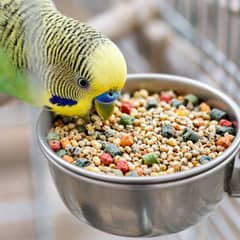
Fatty liver disease (hepatic lipidosis) and vitamin A deficiency both stem from the same root cause: an all-seed or high-fat diet with too little vegetable variety and not enough exercise. Seed-only diets are one of the most common, and most preventable, causes of chronic illness in this species.
Fatty Liver and Obesity
Seeds, nuts and table food are high in fat, and a conure with a full bowl and little reason to move puts the weight on and stores it in the liver. An obese bird is more likely to get arthritis and heart disease as well.
Watch for: a rising weight on the scale, a swollen abdomen, lethargy, unusual or green-tinted droppings, sore feet, and breathing trouble.
What to do: see an avian vet. Advanced liver disease is life-threatening and needs veterinary care. Caught early, it is manageable with a diet change: a quality pelleted diet alongside fresh vegetables instead of a seed-only bowl, food spread across more than one bowl so the bird moves to eat, and a weekly weigh-in.
Vitamin A Deficiency
Vitamin A keeps the lining of the mouth, sinuses and airways healthy and supports the immune system. An all-seed diet, or a half-seed diet without portion control, runs short of it.
Watch for: nasal discharge, sneezing, swelling around the eyes, breathing trouble, poor feather quality, and more drinking and urinating.
What to do: see an avian vet, who can give vitamin A and treat any infection that has followed. The lasting fix is the same switch to pellets.
Feather-Destructive Behavior
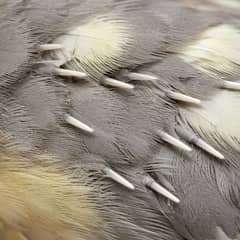
Conures tend to be high-strung, and feather picking turns up with some frequency in pet conures that are stressed or crowded. Look for plucking or chewing at feathers, especially on the chest, legs or wings, often with visible skin irritation. Boredom, stress, hormonal changes and poor diet all contribute.
What to do:
- Have an avian vet rule out medical causes (allergies, skin disease or systemic illness) before you assume it is purely behavioral.
- Look for crowding: a cage too small, too many birds, or a cage in a busy walkway.
- Protect 10 to 12 hours of dark sleep.
- Add enrichment one change at a time.
Cases rooted in boredom often improve with more interaction and a real rotation of enrichment: foraging and shreddable toys, a rotating supply of new toys, and a steady dark period at night. Chronic, severe plucking can be hard to reverse once it is established.
Respiratory Infections and Aspergillosis
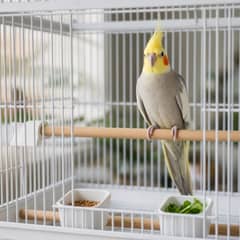
Sneezing, nasal discharge, labored breathing, a change in voice, lethargy, and tail-bobbing are all signs. Poor ventilation, a dusty or moldy environment or food source, stress, and vitamin A deficiency weakening the immune system all raise risk. A roomy, well-ventilated flight cage kept clean helps reduce that risk from the environment side.
This can progress quickly. Labored breathing or a bobbing tail needs an avian vet the same day, and a changed voice needs one within about a day.
Aspergillosis, a fungal infection of the airways, can be hard to clear once established. The fungus lives everywhere as spores, in soil, damp material and moldy food, and it does not pass from bird to bird. It takes hold in a bird whose defenses are down, from a seed diet, stress, a dirty cage or cigarette smoke. It grows slowly over weeks to months, often with little to see until the airways are badly damaged, and treatment with antifungal drugs can take weeks to months. Prevention is a clean cage, fresh food pulled before it spoils, good ventilation and a smoke-free room.
Viral Diseases
Psittacine Beak and Feather Disease (PBFD), Proventricular Dilatation Disease (PDD), and polyomavirus are the ones to know. Signs vary by virus: abnormal feather or beak growth, weight loss, regurgitation, neurological symptoms, or in severe cases sudden death.
- Polyomavirus: conures are often thought to carry avian polyomavirus without looking sick, and the virus can be deadly to larger parrots. That matters most in a home that also keeps a bigger parrot.
- PBFD: rare in conures and other South American parrots, but not unknown. A blood test or mouth swab finds it.
- PDD: causes weight loss that keeps getting worse and regurgitation, and it is believed to be an autoimmune disease tied to avian bornavirus.
These are contagious, spreading through new birds, contaminated equipment, or breeding facilities. There is no reliable cure for most of these, so prevention is everything: quarantine and test new birds, and buy from reputable breeders.
Conure Bleeding Syndrome
A bleeding problem of unknown cause has been reported in conures: an injured bird, or one that has blood drawn, bleeds far more than it should. Caught early, it can be treated effectively. Tell the vet the bird is a conure before any blood draw, and treat bleeding that will not stop from a broken feather, a nail or a cut as a same-day emergency.
Hypocalcemia and Metabolic Bone Issues
Low blood calcium is less common in this species but possible, tied to seed-heavy diets low in calcium and too little UV exposure. Severe cases can show weakness, tremors, or seizures.
When a Conure Needs the Vet
A conure can still perch, call and play while it is seriously ill, so watch for changes from its own normal and sort them by how fast they need an avian vet.
Same day, as an emergency:
- Open-mouth or labored breathing, or the tail bobbing with each breath.
- A seizure, loss of balance, or a bird that cannot perch.
- Bleeding, or a real injury, including any contact with a cat, dog or other predator.
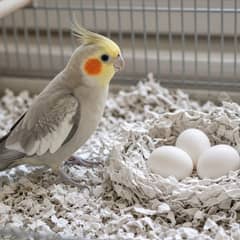
- A swollen belly, repeated straining, or a hen that may be egg bound: she may be weak, sit on the cage floor, leave fewer droppings or be unable to pass an egg.
- A possible toxin, such as fumes from overheated nonstick cookware or chewed metal.
Within about a day:
- A big drop in appetite, or weight falling on the gram scale.
- Repeated vomiting.
- Sleeping more, losing interest in you or its toys, a changed voice, or droppings that change.
Watch and write it down:
- One odd dropping from a conure that is otherwise eating, playing and acting normally. Check the next few, and move it up a tier if they stay off.
While You Wait for the Vet
- Keep the bird quiet and handle it as little as possible.
- Give gentle extra warmth, unless the bird may be overheated.
- Set food and water within easy reach, with low perches for a weak bird.
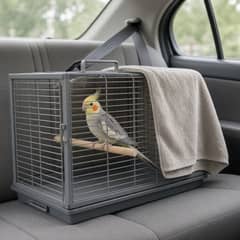
- Take it in a covered carrier, kept out of drafts on the way.
- Never force food or water into its mouth.
- Give no human medicine or leftover antibiotics.
Prevention Starts at the Food Bowl
A conure on pellets and vegetables, with plenty to chew and a clean, airy cage, avoids most of this page. Quarantine every new bird and book the yearly wellness exam. Take any change in breathing or perching to an avian vet the same day, and a big drop in appetite within a day.
Sources & Further Reading
Last reviewed 29 Jul 2026 · 5 sources
- Lafeber: Green-Cheeked Conure
- PetMD: Small Conure Care Sheet
- Dr. Bob's Pet Health Information: Conure Care Guide, Robert Linville, DVM
- VCA Animal Hospitals: Common Conditions of Pet Birds; Aspergillosis in Birds; Psittacine Beak and Feather Disease in Pet Birds
- Merck Veterinary Manual: Nutritional Diseases of Pet Birds

Log weight, feeding and meds, so your vet has the full picture. The Universal Pet Kit has it, among 19 forms for any pet that you can type into or print.
Frequently Asked Questions
What's the most common preventable health problem in green cheek conures?
Fatty liver disease and vitamin A deficiency, both stemming from an all-seed, high-fat diet with too little vegetable variety and exercise. Watch for obesity, lethargy, unusual or green-tinted droppings, a swollen abdomen, and poor feather quality. Caught early, diet correction usually manages it, but advanced liver disease is life-threatening.
What causes feather-destructive behavior in conures?
Boredom, stress, hormonal changes, and poor diet all contribute, and an avian vet needs to rule out underlying medical issues like allergies, skin disease, or systemic illness before assuming it's purely behavioral. Cases rooted in boredom often improve with more interaction, toys, and foraging opportunities, but chronic, severe plucking can be difficult to fully reverse once established.
What are the warning signs of a respiratory infection in a conure?
Sneezing, nasal discharge, labored breathing, a change in voice, lethargy, and tail-bobbing. Poor ventilation, a dusty or moldy environment, stress, and vitamin A deficiency all raise risk, and this can progress quickly, so labored breathing or a bobbing tail means an avian vet the same day.
Are green cheek conures at risk of viral diseases?
Yes, Psittacine Beak and Feather Disease, Proventricular Dilatation Disease, and polyomavirus are the ones to know. These spread through new birds, contaminated equipment, or breeding facilities, and there's no reliable cure for most of them, which is why quarantine and testing new birds matters so much.
When is a conure health issue an emergency?
Any of these means an avian vet the same day: labored breathing, a seizure or a bird that cannot perch, bleeding or an injury, a swollen belly or straining, or a possible toxin. A big drop in appetite needs the vet within about a day. Annual wellness exams are still the best early warning, since birds mask illness until it's fairly advanced.
Recommended Gear
As an Amazon Associate I earn from qualifying purchases through the links above, at no extra cost to you.

Written by Michael Ryan
Mike keeps two rescued bearded dragons, Dex and Cera, and writes the care guides on BeastlyFacts from his own research and mistakes. He is not a veterinarian.
More about Michael Ryan →You May Also Like

Subscribe - it's free
An occasional email when something new is worth your time. No spam.
Health and More