Canaries Aren't Handled, and That's the Point
On This Page▾

A canary is a bird you watch and listen to, not one you hold. Knowing that before it comes home, and why, saves most of the disappointment new owners run into.
A Song and Observation Bird, Not a Companion Bird
Most canaries aren't kept as hands-on pets at all. They're prized for their song and appearance, best enjoyed by watching and listening. Canaries are skittish by nature and fly off when approached. Hand-raised canaries that tolerate more interaction do exist, but breeders rarely offer them, because the species is not bred or sold that way. Go in expecting a "look and listen" relationship. That makes a canary a poor fit for a child who wants to hold a pet. A canary near young children needs an adult watching, because it is small and delicate.
Singing Is a Male Behavior
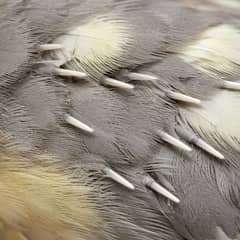
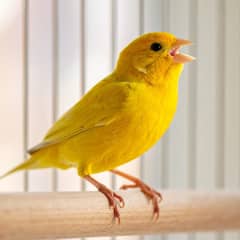
Males are the singers. They start at around 3 months old, and the song is a territorial call. Females have nowhere near the male's repertoire: most chirp, and many never sing at all. Song rises and falls with the season and with the hormones of breeding. Canaries normally sing in fall, winter and spring, and go quiet in summer while they molt, the yearly replacement of their feathers.
Choosing a Canary
If song is the reason you want a canary, hear the bird sing before you buy it. Before a male starts singing, the sexes look alike and are hard to tell apart, though in breeding season a male's vent, the opening under the tail, sticks out more than a female's. An avian vet, a veterinarian who treats birds, can sex a canary with a blood test.
Pick a young bird. Young canaries settle and tame more easily, and a lively, alert one that is not easily frightened is more likely to be healthy. Book a checkup with an avian vet in the first days, and keep the newcomer apart from any bird already at home through quarantine.
The First Days Home
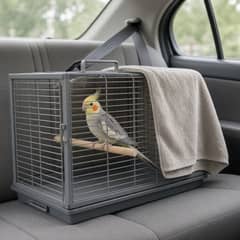
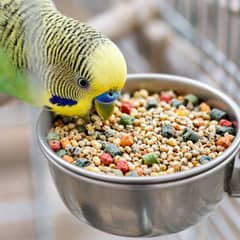
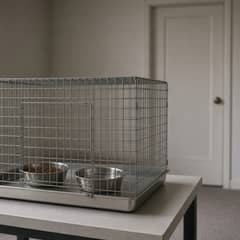
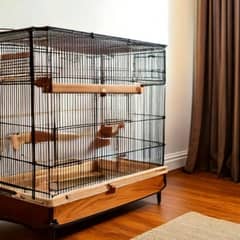
Bring the bird home in a small travel carrier that leaves no room to fly and fall, covered against drafts and big temperature swings. Have the cage set up before it arrives, then let the bird settle with the household going on around it at a normal pace. Feed it the food it was eating before for its first couple of weeks. A new canary is often quiet for a while: a move is one of the things that stops a canary singing.
Once it is eating and moving around the cage normally, get it used to the world while it is young. Let it see and hear different people and other pets from a safe distance, and take it on short car trips and to the vet. A bird that has met these things early copes with them better later.
Finger Perching and Room Flight
With time and patience, some canaries learn to perch on a finger. They still do not like being held in a hand, so let the bird step on and off of its own accord.
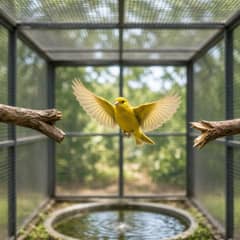
Canaries love to fly, and time out of the cage does them good. Only let one out in a secure room with the doors and windows shut, the cats and dogs elsewhere and the household hazards a flying bird finds first dealt with. A canary given open space will fly away, and one outdoors may never find its way home. Never clip a canary's wings: flight is its exercise.
To get it back in:
- Slow down and speak softly, since a frantic keeper makes a frantic bird.
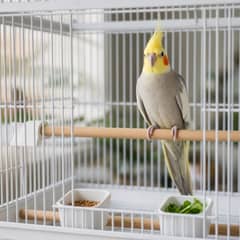
- Leave the cage door open with a favorite treat inside.
- Step back and let it fly home.
- If it will not go, turn the lights down and use the dark catch below.
A treat it only ever gets in the cage teaches it to go back on its own.
When Your Canary Is Stressed or Unwell
A canary tells you it is stressed by stopping the one thing you bought it for. A canary that is stressed, molting, in poor health, or in a new environment may not sing. The seasonal silence is not stress: a male that falls silent in July is molting. One that falls silent the week his cage moved next to the television is telling you about the television.
- Silence outside the molt. Run the list: new environment, stress, health. Move the cage back and cut the traffic past it. If the song is not back within about a day, call an avian vet, and check the signs of illness in the meantime. A canary in its first days home is the exception while it is eating and moving around normally, since a move alone quiets it for a while.
- Fluffed and ruffled, with lethargy. A lethargic, fluffed and ruffled bird is showing one of the most common general signs of illness. A canary that stays fluffed and still needs an avian vet the same day.
- Thrashing when you approach. A bird that flings itself around the cage when a hand comes near is not one to tame through repetition. A frightened canary floods with stress hormones, and handling and treatment alone can kill one. That is why a bird is never held for long, and it is the whole case against handling a canary. Give it what an avian clinic gives a nervous patient: visual security, a cage cover or towel over part of the cage, and a room away from cats and dogs.
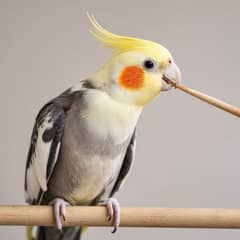
The healthy bird is the target: lively, alert, and not easily frightened.
The Dark Catch
The only handling a canary needs is for its health: the trip to the vet, and medicine when the vet asks. Even then, do the catch in the dark. The clinic method is "lights out, perches out," taking the bird quickly before its eyes adjust. A keeper's hand in daylight is not going to go better.
- Open the carrier and set it within reach.
- Close the doors and windows, and put other pets out of the room.
- Take the perches, swings and toys out of the cage, so the bird has nowhere to cling.
- Turn the lights off, or dim them as far as you can.
- Reach in and take the bird gently in a small towel or cupped hand.
- Keep the hold loose around the chest. A bird breathes by moving its chest, and pressure there can suffocate it.
- Put it in the carrier quickly, or keep hold of it for medicine, then turn the lights back on.
- Put the perches, swings and toys back before the bird goes back in the cage.
Weighing Without a Catch
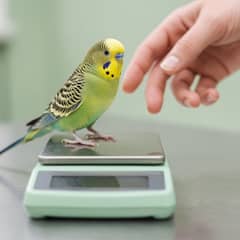
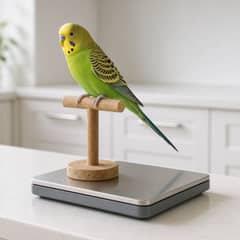
Weigh a canary without catching it:
- Set its empty travel carrier on a perch scale and zero it.
- Hold the carrier's open door against the open cage door and let the bird hop in for a treat, then close the door.
- Set the carrier back on the scale and write the weight down.
A weekly weight at home catches a slow loss sooner, and the vet weighs it again at each checkup.
Giving Medicine
If the vet sends a canary home on medicine, it usually comes as a liquid given by dropper or syringe, because a bird rarely takes the right amount mixed into its food or water.
- Draw up the dose first, and have a helper if you can.
- Make the room calm and quiet, then catch the bird with the dark catch steps above.
- Wrap it gently in a towel, with no pressure on the chest.
- Slip the dropper into the side of the beak, aimed across to the other side.
- Give the medicine slowly, watching that the bird swallows.
- Stop and put the bird back in the cage if it coughs or chokes. Do not try to wipe or shake leftover medicine out of its mouth.
Follow the vet's dose and schedule exactly, and ask the clinic to show you how if you are unsure. Nail trims are best left to the vet or someone trained to do them, since a canary's toes and legs are easily hurt.
Introducing a Mate
Canaries are solitary in a home cage and do well alone. Pairing them for breeding starts with a careful first meeting:
- Quarantine the new bird in a separate room before it shares air with the resident, and have it tested and treated for parasites.
- Pair in spring, as the days lengthen. Lengthening daylight is what brings canaries into breeding condition.
- Use a double cage with a removable wire partition, hen on one side and cock on the other, so they meet through the bars first.
- When they "kiss" through the bars, feeding each other beak to beak, take the partition out.
- Watch them closely. If the hen fights the male, she is not ready: separate them, put the partition back, and try again later.
A male living with a female may sing less than one kept alone.
Four Rules for First-Timers
- Buy a confirmed male if you want song. An unsexed bird you hope will sing may turn out to be a hen.
- Never house two males together. They compete and fight instead of settling in.
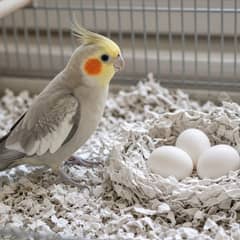
- Never use fine thread, loose string or cotton wool as nesting material. Fibers wrap around toes and cause real injury.
- Keep the cage away from the kitchen. Overheated nonstick cookware releases fumes that are lethal to birds.
Close By, Hands Off
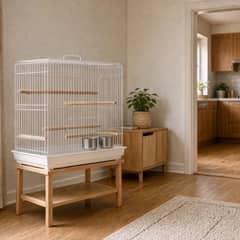
Canaries enjoy being near the family and part of the household's daily rhythm, but they dislike constant commotion and hands reaching in. Put the cage where the family spends its day, keep hands out of it except to clean, and let the song tell you how the bird is doing. A sudden loss of song outside the summer molt is a change to check right away.
Sources & Further Reading
Last reviewed 8 Sep 2026 · 6 sources
- VCA Animal Hospitals: Canaries, General
- Lafeber: LafeberVet Basic Information Sheet, Canary; Avian Emergency and Critical Care Summary Page; Tips to Get Your Bird Back in the Cage
- PetMD: Canary Care Sheet (Maria Zayas, DVM)
- Chicago Exotics Animal Hospital: Canary Care, adapted from Peter Coutteel DVM
- Bird Vet Melbourne: Caring for Canaries
- Merck Veterinary Manual: Illness in Pet Birds

A pet profile and a sitter sheet you can fill in, so anyone who helps knows the routine. The Universal Pet Kit has it, among 19 forms for any pet that you can type into or print.
Frequently Asked Questions
Can canaries be hand-tamed?
Rarely. Canaries are bred and sold as song and display birds, and most are best enjoyed by watching and listening. Some learn to perch on a finger with patience, but almost none like being held.
Do only male canaries sing?
Males are the singers, starting at around 3 months old. Females mostly chirp, and many never sing. Song stops for the summer molt.
I bought a canary for its singing and it's quiet, what happened?
There is a good chance you have a female. If it is a male, check the calendar for the molt, then the cage for stress or illness.
Can I keep two canaries together?
Not two males in one cage, because they fight. A male and female pair can share a cage, and a single canary does well alone.
What should I avoid using as nesting material?
Fine thread, loose string or cotton wool. Fibers like these can wrap around a canary's toes and cause real injury.
What do canaries want from an owner?
Closeness without contact. A canary likes being near the family and part of the household's daily rhythm, and dislikes constant commotion or hands reaching in.

Written by Michael Ryan
Mike keeps two rescued bearded dragons, Dex and Cera, and writes the care guides on BeastlyFacts from his own research and mistakes. He is not a veterinarian.
More about Michael Ryan →You May Also Like

Subscribe - it's free
An occasional email when something new is worth your time. No spam.
Health and More