Cockatoo Feeding: Schedule, Diet, and the Ratio Worth Memorizing
On This Page▾

Cockatoo feeding comes down to a ratio worth memorizing: pellets should dominate the bowl, and seeds should stay firmly in treat territory, not the other way around.
The Staple Diet
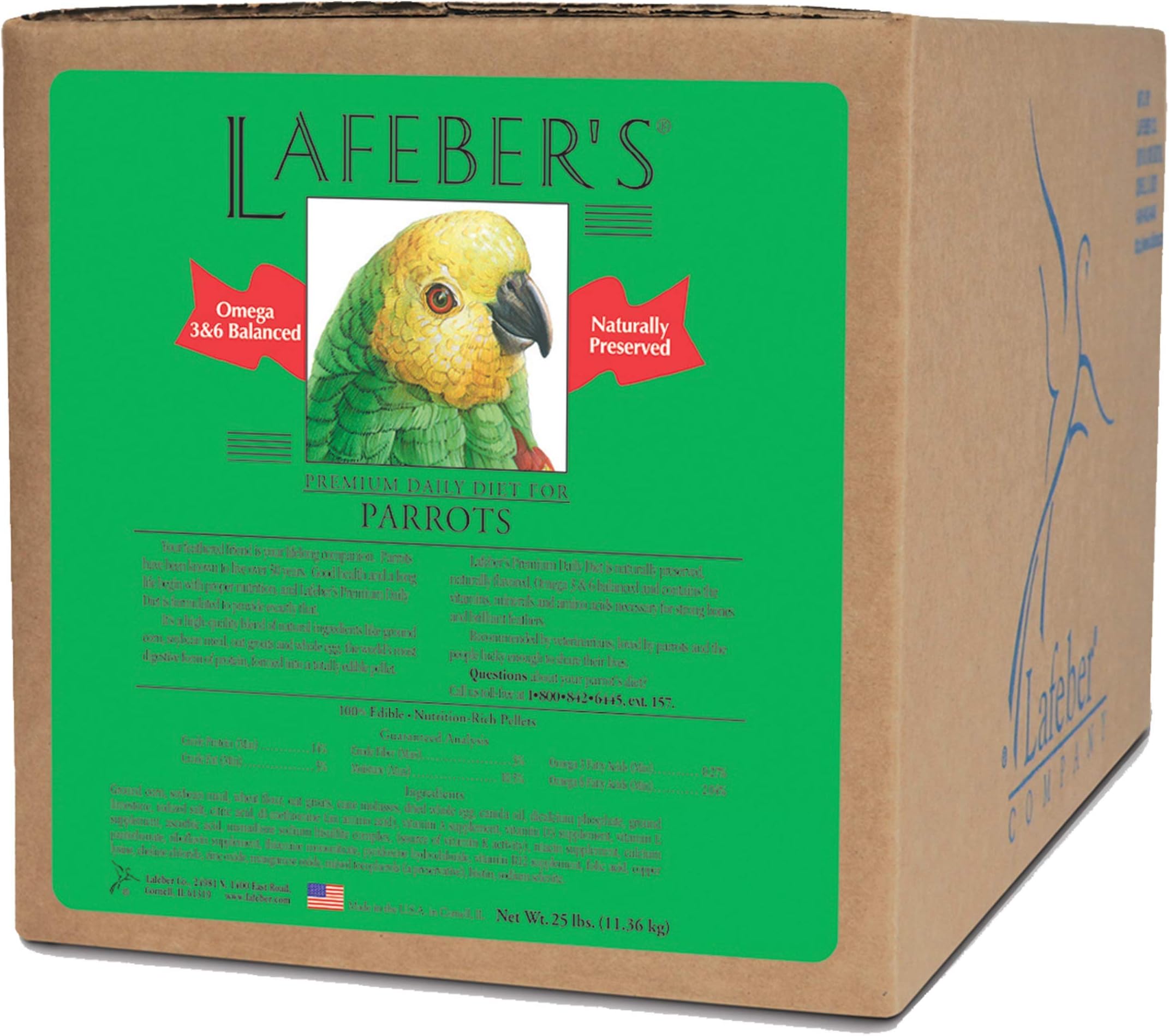
Pelleted food should make up 75 to 80% of your cockatoo's daily diet. No more than another 20 to 40% comes from fresh fruits and vegetables, dark leafy greens like kale and bok choy, plus carrots, bell peppers, broccoli, squash, and peas all work well. A couple of tree nuts, almonds, walnuts, or Brazil nuts, make a fine daily treat and double as genuine enrichment for a bird this intelligent.
Feeding Frequency and Portions
Offer fresh food daily, and keep fresh water available at all times, cleaning both food and water dishes every day. A useful mental picture from veterinary guidance: a small handful of food for your cockatoo is roughly equivalent to a full dinner plate for a person, it's easy to over-portion without realizing it. Fruits and vegetables shouldn't sit in the cage more than a couple of hours before spoiling. If you're converting a seed-eating adult bird onto pellets, do it gradually and weigh your bird periodically during the transition to make sure intake stays adequate.
Foods to Avoid
Avocado, chocolate, caffeine, and alcohol are all toxic and can be fatal, keep these away entirely. Fruit pits and apple seeds release cyanide-related compounds, and onion and garlic can cause a serious blood disorder in birds.
Beyond acute toxins, the bigger long-term risk is simply too much seed, sunflower seeds and peanuts especially are high in fat and should stay occasional treats, not a dietary foundation. Skip grit or gravel too, cockatoos already hull seeds before swallowing them, and grit can cause a genuinely dangerous digestive blockage.
Supplementation
A bird eating a genuinely complete pelleted diet at 75 to 80% generally doesn't need additional vitamin or mineral supplements, that formulation is already fortified to cover it. Supplements matter more for a bird still transitioning off an all-seed diet, and any specific supplementation decision, egg-laying hens needing extra calcium, for instance, is worth making with your avian vet rather than adding something preventively.
The Mistakes That Matter
A seed-heavy diet is the central feeding mistake with this species, and it's directly linked to fatty liver disease, obesity, and vitamin A deficiency.
High-fat diets specifically are also tied to lipomas, fatty skin tumors that show up notably often in overweight cockatoos and several other parrot species, while birds actually eating their pellets develop them far less. And even on a good base diet, regular calorie-dense treats or an overfed hand-raised baby can still tip a cockatoo toward obesity and the same fatty liver risk, portion awareness matters even when the food itself is right.
Diet isn't the only thing shaping a cockatoo's daily wellbeing, boredom and under-stimulation feed into the same behavioral problems covered in Cockatoo Screaming and Feather Plucking, Explained.
For more on the family itself, check the Cockatoo encyclopedia profile.
Sources & Further Reading
Last reviewed 8 Sep 2026 · 1 source
- VCA Animal Hospitals: Cockatoos, Feeding
- Lafeber: Why Are Pellets Better Than Seeds For Pet Birds?
- Kaytee: Everything You Need to Know About Pet Cockatoos
❓ Frequently Asked Questions
What should make up most of a cockatoo's diet?
Pellets, at 75 to 80% of the daily diet. Fresh fruits and vegetables cover no more than another 20 to 40%: dark leafy greens, carrots, bell peppers, broccoli, squash, and peas. Seeds and nuts are high-fat treats, not the foundation.
How much food does a cockatoo need daily?
A useful mental picture from veterinary guidance: a small handful of food for a cockatoo is roughly equivalent to a full dinner plate for a person. Offer fresh food daily, keep fresh water available at all times, and clean both dishes every day.
What foods are toxic to cockatoos?
Avocado, chocolate, caffeine, and alcohol, all of which can be fatal. Cyanide-related compounds come from fruit pits and apple seeds, and onion and garlic can cause a serious blood disorder. Grit and gravel are out too: cockatoos hull their seeds already, and grit can cause a dangerous blockage.
How do I switch my cockatoo from seeds to pellets?
Gradually, weighing the bird now and then through the transition so intake stays adequate. Once it's on a complete pelleted diet at 75 to 80%, extra vitamin or mineral supplements generally aren't needed, though a bird still coming off all-seed may need them.
Why is a seed-heavy diet dangerous for cockatoos?
Fatty liver disease, obesity, and vitamin A deficiency are all directly linked to it. High fat is also tied to lipomas, the fatty skin tumors seen often in overweight cockatoos and other parrot species.
📰 More on the Cockatoo
🛒 Recommended Gear
As an Amazon Associate, we earn from qualifying purchases through the links above - at no extra cost to you.
Written by Michael Ryan
Mike has looked after a neighbor’s cockatoo on and off for years.
Mike keeps two rescued bearded dragons, Dex and Cera, and writes the care guides on BeastlyFacts from his own research and mistakes. He is not a veterinarian.
More about Michael Ryan →Comments
No comments yet - be the first!