Common Budgie Health Issues and Why Diet Drives Most of Them
On This Page▾

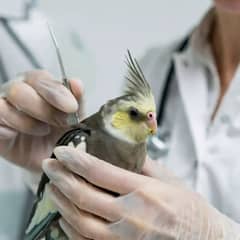
Birds are prey animals, and prey animals hide illness as a survival instinct. By the time a budgie looks visibly sick, it's often further along than a mammal would be at the same stage. Knowing what to watch for, and finding an avian vet before you need one, makes a real difference.
Fatty Liver Disease and Obesity
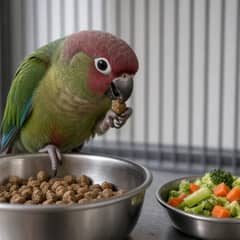
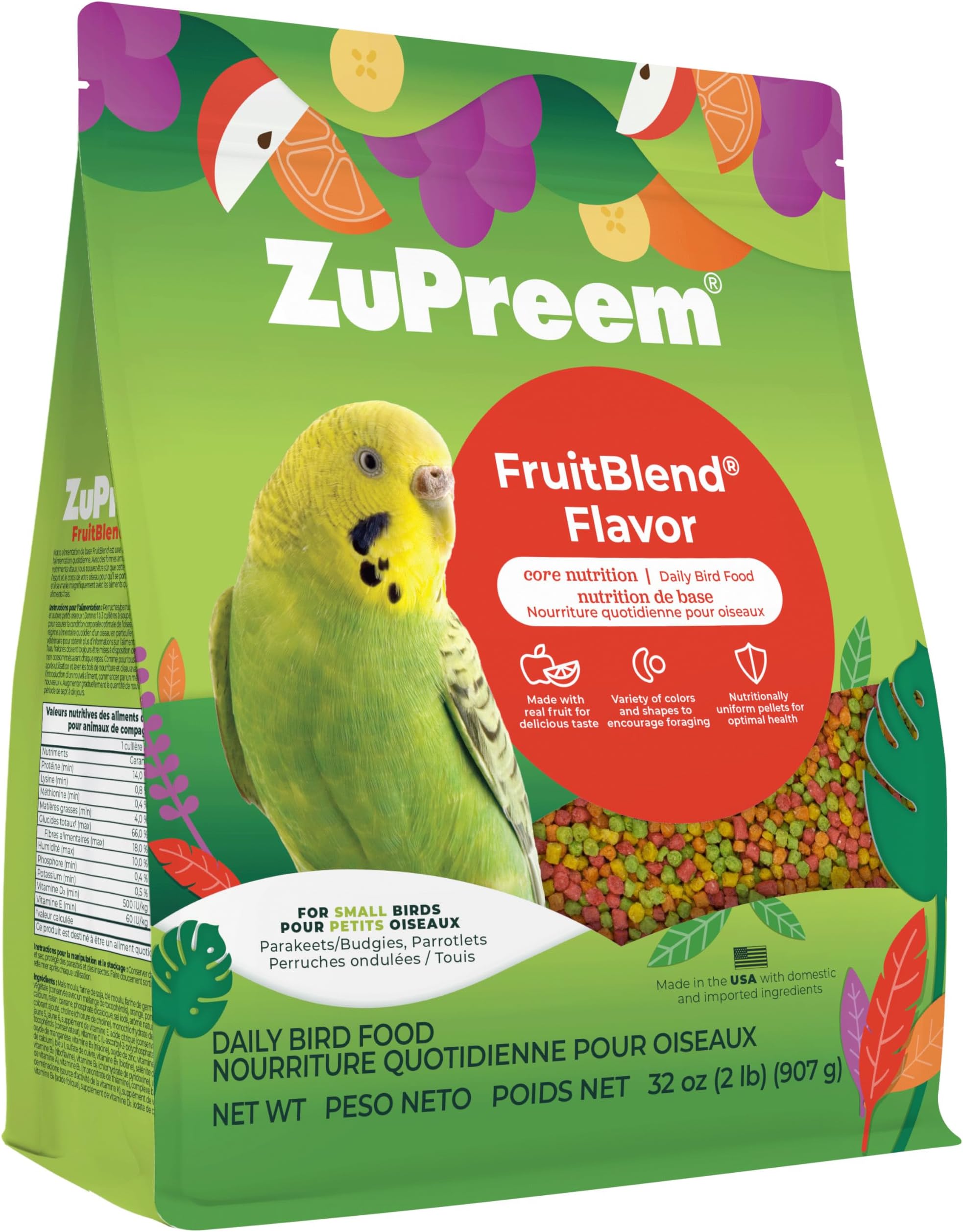
Driven almost entirely by all-seed diets. Seeds are calorie-dense and nutritionally incomplete, and over time an all-seed diet leads to obesity and hepatic lipidosis, a fatty liver condition serious enough that it can cause sudden death. This is the single biggest preventable health issue in pet budgies, and it comes down to diet more than anything else on this list. A pellet-forward diet from the start prevents most of it.
Lipomas and Xanthomas
Benign fatty growths, also linked to high-fat, seed-heavy diets. Budgies are notably prone to tumors compared to many other pet bird species, which is another point in favor of a pellet-forward diet from the start.
Neoplasia (Tumors)
Budgies have an unusually high tumor rate for a small bird, and kidney and gonadal (testicular or ovarian) tumors show up often enough that they deserve their own explanation, separate from the fatty lipomas and xanthomas above.
A budgie that suddenly starts limping, drags a leg, grips the perch weakly on one side, or falls off its perch is often not injured. Renal and gonadal tumors sit right next to the nerve that supplies the leg, and a growing mass presses on that nerve. A leg problem can be the first visible sign of a tumor you can't see from outside the bird.
That nerve compression pattern is well documented in budgies specifically. Kidney tumors are more common in this species than in most other pet birds, and the resulting pressure on the ischiatic (sciatic) nerve causes lameness in the leg on the affected side, according to VCA Animal Hospitals. It's easy to mistake this for a sprained foot or a fall from the cage, especially since the leg itself looks completely normal. Other signs to watch for alongside the lameness include abdominal swelling, general weakness, fluffed feathers, and weight loss even when the bird is still eating normally, since a tumor can grow for a while before appetite drops off.
Because the mass itself isn't visible from outside the bird, diagnosis needs imaging rather than a hands-on exam alone. That typically means radiographs to check kidney size and density, sometimes an ultrasound or laparoscopy to look directly at the kidney or gonad, and bloodwork to round out the picture. Prognosis is not good once a tumor like this is found. There's no surgical option for a mass sitting in this location on a bird this small, and no treatment that cures it. Avian vets typically shift toward pain control and supportive care aimed at comfort and quality of life, rather than promising a cure. Catching the lameness early and getting imaging done doesn't change that outlook much, but it does rule out the more treatable causes of a limp first.
Cere Color Change in a Mature Male
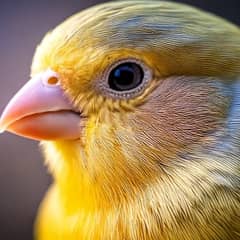
A mature male budgie's cere, the fleshy area above the beak, should be a deep, true blue. If that blue shifts to brown in a bird that's already reached that solid adult color, avian sources describe it as brown hypertrophy of the cere and link it to hormonal activity, classically from a testicular tumor producing estrogen instead of the hormones you'd expect from a male bird. One avian vet's case report describes a male budgie's cere going from a deep blue to tan over a short period, which turned out to be a testicular tumor. Treat a change like that as a reason to book an avian vet visit rather than a coincidence to note in passing; our cere color guide covers how to tell a normal shift from a warning one.
Scope this one carefully, because cere color is not fixed across the board. Young budgies of both sexes start out pale and their adult coloring doesn't settle in until several months old, and a brown or crusty cere is the normal baseline in an adult female, especially in breeding condition. The flag here is specifically a mature male whose cere has visibly changed away from an established blue, not a female's normal brown or a young bird's still-developing color.
Scaly Face and Leg Mites
Caused by the mite Knemidocoptes pilae. Look for crusty, honeycomb-like buildup on the cere (the area above the beak), the beak itself, and the legs. This is treatable with ivermectin from an avian vet, but it needs proper diagnosis rather than a home remedy.
Egg Binding
A life-threatening emergency in female budgies. Even a single hen with no male present can lay eggs, so this risk exists regardless of whether you're intentionally breeding. It's linked to calcium and vitamin D deficiency and to obesity, both of which loop back to diet and access to appropriate light exposure; our chronic egg laying and egg binding guide covers the full picture. Keeping a cuttlebone or mineral block available at all times supports the calcium side of that equation.

A single unbred hen laying an egg with no male anywhere nearby surprises a lot of new budgie owners. It's a normal reproductive quirk of the species, but it's exactly why egg binding risk exists even in households with only one female bird.
Psittacosis
Caused by Chlamydia psittaci, and worth knowing about specifically because it's zoonotic, meaning it can spread to people. Signs include respiratory symptoms, diarrhea, weakness, and an enlarged liver. If your budgie shows these signs, mention the possibility to your vet directly. Any newly introduced bird should also be kept separate from the rest of your flock while you watch for signs like these. The bird quarantine guide sets the length and the room-to-room routine.
A Few Other Conditions to Know
- Respiratory infections, often secondary to poor air quality or stress.
- Megabacteriosis (AGY), a yeast-like infection affecting the digestive tract.
- Goiter, from iodine deficiency, less common with a modern pelleted diet but still worth knowing.
When to See an Avian Vet, Same Day
Because budgies mask illness so well, don't wait on any of these:
- Fluffed-up feathers combined with sleeping during the day
- Tail-bobbing with each breath
- Open-mouth breathing
- Sitting on the floor of the cage instead of perching
Any of these can indicate a bird that's seriously unwell, not just tired. A budgie displaying these signs should be seen within 24 hours, not after a few days of watching and waiting.
Sources & Further Reading
❓ Frequently Asked Questions
What is the biggest preventable health issue in pet budgies?
Fatty liver disease (hepatic lipidosis) and obesity, driven almost entirely by all-seed diets. Seeds are calorie-dense and nutritionally incomplete, and this condition is serious enough that it can cause sudden death. A pellet-forward diet from the start prevents most of it.
What does scaly face and leg mites look like?
Crusty, honeycomb-like buildup on the cere (the area above the beak), the beak itself, and the legs, caused by the mite Knemidocoptes pilae. It's treatable with ivermectin from an avian vet, but needs proper diagnosis rather than a home remedy.
Can a single female budgie get egg bound without a male present?
Yes. A hen kept alone can still lay, so the egg binding risk is there whether or not you breed her, and it's a life-threatening emergency. Calcium and vitamin D deficiency and obesity are the links.
What are the signs a budgie needs to see a vet the same day?
Fluffed feathers plus daytime sleeping, tail-bobbing with each breath, open-mouth breathing, or sitting on the cage floor instead of perching. Budgies mask illness well, so any of those means a vet within 24 hours, not a few days of watching.
🛒 Recommended Gear
As an Amazon Associate, we earn from qualifying purchases through the links above - at no extra cost to you.
Written by Michael Ryan
Mike has looked after neighbors’ budgies and lovebirds on and off for years.
Mike keeps two rescued bearded dragons, Dex and Cera, and writes the care guides on BeastlyFacts from his own research and mistakes. He is not a veterinarian.
More about Michael Ryan →Comments
No comments yet - be the first!