Budgie Cage Setup: Width Over Height, and a Few Rules That Actually Matter
On This Page▾

Budgies are small, but their housing needs get underestimated more than almost any other part of their care. The cage sold as a "budgie starter cage" at most pet stores is usually a bare minimum at best, and a few specific details matter more than overall size alone.
Cage Size and Shape
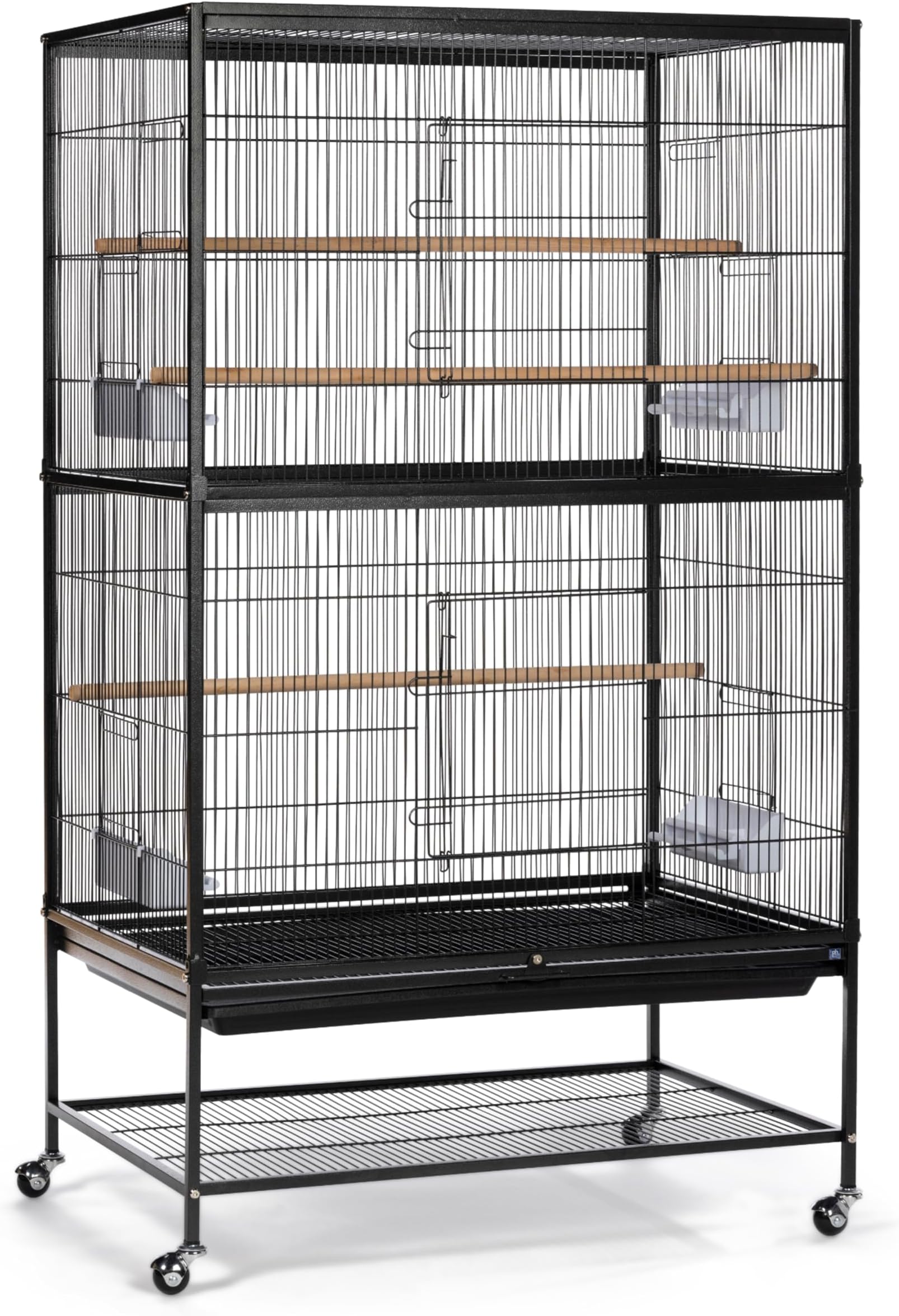
An absolute minimum for a single budgie is often cited around 18x18x18 inches, but a wider flight-style cage serves them far better, something closer to 30x18x18 inches for a pair, with 32 inches or more in length being a genuine improvement over the minimum.
The key detail: prioritize width over height. Budgies fly side to side in short bursts rather than climbing vertically, so a tall, narrow cage wastes the exact space they'd actually use, while a wide one gives them real flying room. A wide flight-style cage built for this kind of lateral space is worth the extra footprint.
Bar Spacing, Non-Negotiable
Bar spacing needs to be half an inch or less. Wider spacing creates a real risk of a budgie squeezing through and escaping, or worse, getting its head caught while trying. Avoid round cages entirely, and check that any cage you're considering doesn't use zinc or lead in its finish, both are toxic if ingested through normal chewing and preening behavior.
Perches: Variety Matters More Than Material
Provide a mix of perch diameters, textures, and materials. A natural wood perch set covering manzanita, apple, and willow branches, combined with some rope perches for texture variety, covers this well.
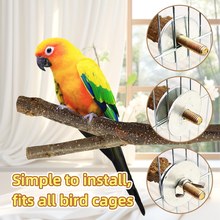
Don't rely on smooth wooden dowels as the only perch option, the uniform surface and diameter contribute to arthritis and pressure sores over time from a foot that never has to adjust its grip. Skip sandpaper perch covers too, they don't actually file nails effectively and can cause irritation to the feet.
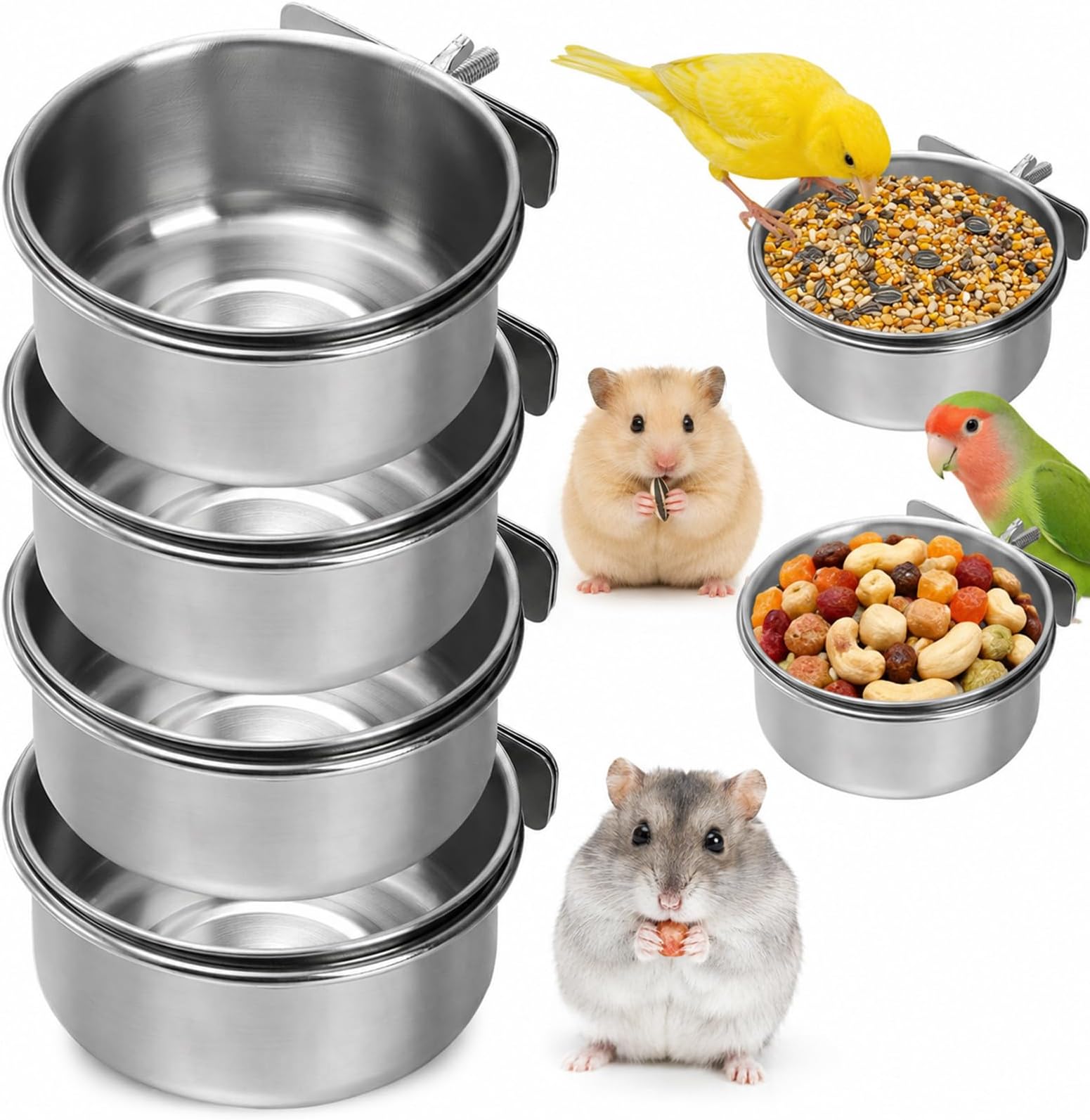
Position food and water dishes away from perches so droppings don't end up contaminating them, a small placement detail that meaningfully cuts down on cleaning and health risk.
Diet: Pellets, Not Seeds, Should Lead
This is where a lot of budgie care goes wrong. The veterinary consensus is that pellets should make up roughly 60 to 80% of a budgie's diet, with fruits, vegetables, and greens covering another 20 to 25%, and seeds treated as an occasional extra rather than the foundation. A seed-only diet is directly linked to malnutrition, obesity, and fatty liver disease.
Provide a cuttlebone or mineral block in the cage at all times, it supports calcium intake and gives your budgie something appropriate to condition its beak against.
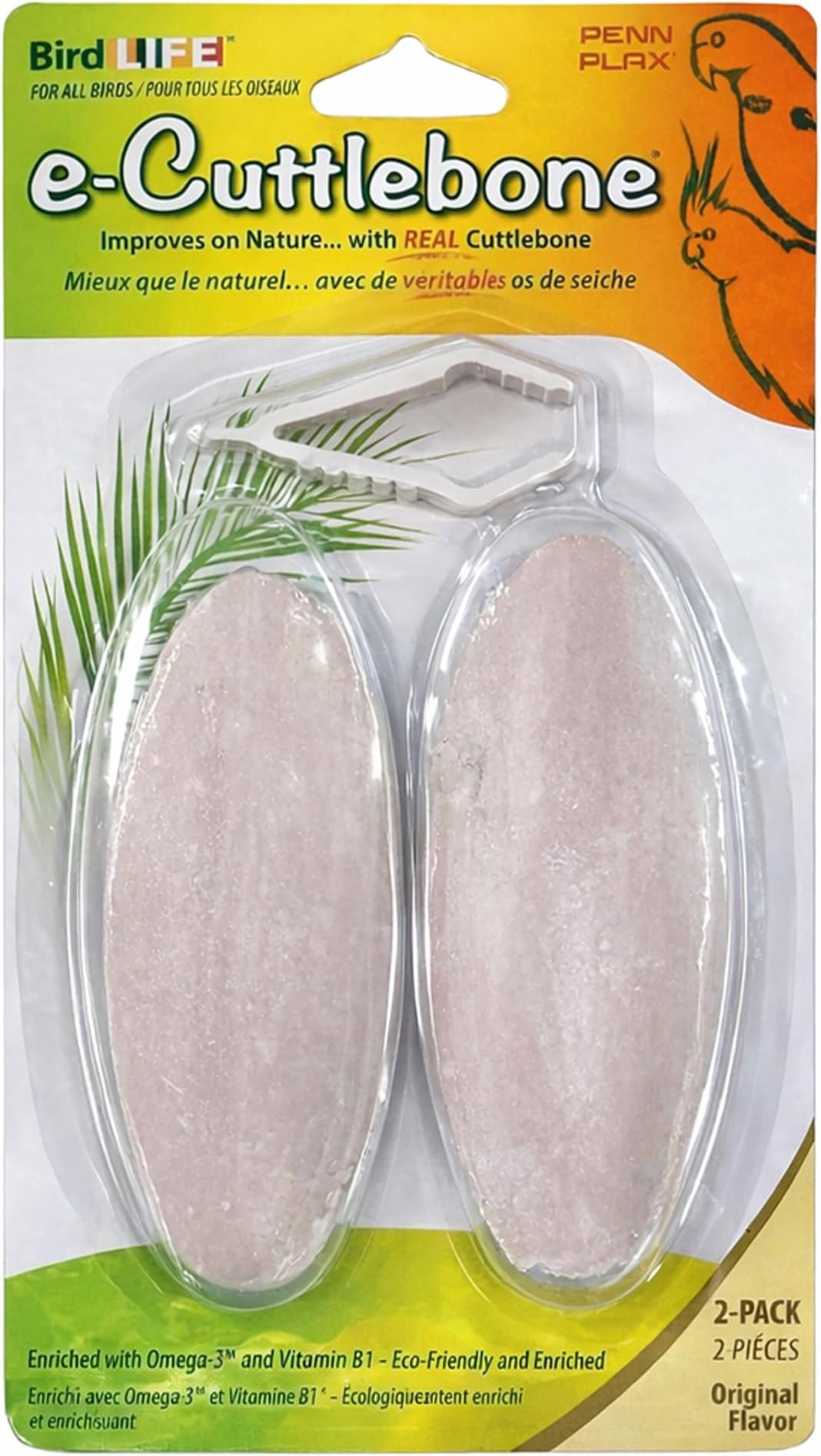
A budgie's beak never stops growing, which is exactly why chewing on a cuttlebone or mineral block matters beyond just the calcium. Without something appropriate to condition it against, the beak can overgrow and interfere with normal eating.
Light, Temperature, and Environment
Budgies need roughly 10 to 12 hours of darkness and uninterrupted sleep every night, a cage cover is a simple, effective way to support this on a consistent schedule; our photoperiod and sleep guide covers why that schedule matters beyond just rest.
Keep ambient temperature comfortable, a practical range is about 65 to 85°F, with 70 to 75°F being ideal, and avoid drafts, direct sun exposure, and sudden temperature swings. Budgies don't have sweat glands and are more heat-sensitive than that range might suggest.
One serious warning worth repeating clearly: never use nonstick or PTFE cookware anywhere near a budgie. Overheated nonstick pans release fumes that are frequently fatal to birds, often described as causing sudden death with little warning. Keep birds out of the kitchen entirely and consider replacing nonstick cookware in a household with pet birds; our household hazards guide covers the rest of the everyday fumes that carry the same risk.
Social Needs
Budgies are highly social flock birds by nature. A single budgie needs substantial daily interaction from you to stay well-adjusted, or better, a companion budgie to socialize with. This isn't a nice-to-have, it's close to as important as diet or cage size for long-term wellbeing. Our guide to why parrots need social interaction covers the warning signs to watch for if that need goes unmet.
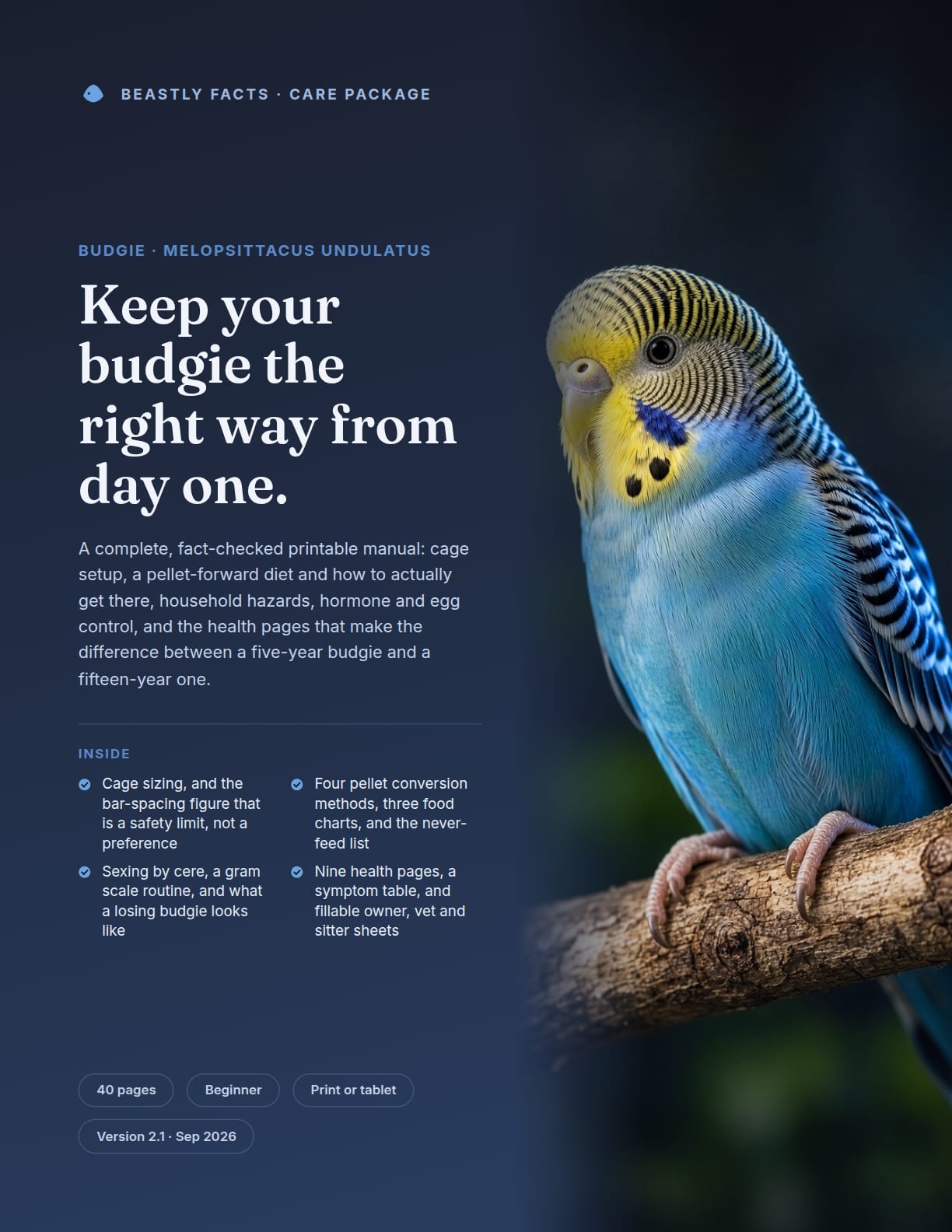
Want this as a printable reference? The Budgie Care Package turns this guide into a 40-page PDF you can keep by the enclosure, $8.99.
❓ Frequently Asked Questions
What size cage does a budgie need?
18x18x18 inches is the figure usually cited as an absolute minimum for one bird, but a wide flight-style cage serves them far better, nearer 30x18x18 for a pair. Width beats height, since budgies fly side to side rather than climbing.
What bar spacing is safe for a budgie cage?
Half an inch or less. Anything wider carries a real risk of a bird squeezing through and escaping, or of its head getting caught in the attempt.
Should a budgie's diet be seeds or pellets?
Pellets, at roughly 60 to 80% of the diet, with fruit, vegetables, and greens at another 20 to 25% and seeds as an occasional extra. Seed-only diets are directly linked to malnutrition, obesity, and fatty liver disease.
Can one budgie live alone happily?
Not well. This is a highly social flock bird, so one kept alone needs substantial daily interaction from you, or better, a companion budgie. For long-term wellbeing it sits close to diet or cage size in importance.
🛒 Recommended Gear
As an Amazon Associate, we earn from qualifying purchases through the links above - at no extra cost to you.
Written by Michael Ryan
Mike has looked after neighbors’ budgies and lovebirds on and off for years.
Mike keeps two rescued bearded dragons, Dex and Cera, and writes the care guides on BeastlyFacts from his own research and mistakes. He is not a veterinarian.
More about Michael Ryan →Comments
No comments yet - be the first!