How Much Does a Lovebird Cost?
On This Page▾

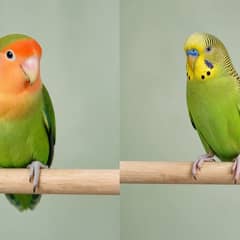
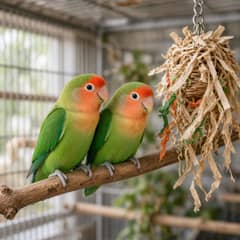
Lovebirds are one of the more affordable parrots to buy, and the name suggests something gentler than what you get. This is a small bird with a strong territorial streak, which matters for cost planning as much as for temperament. This guide covers the three lovebirds sold as pets: the peach-faced (also called rosy-faced), Fischer's and the masked lovebird.
The Bird Itself: $150 to $185
A peach-faced, Fischer's or masked lovebird costs about $150 to $185 from a bird store, and color mutations such as lutino cost more. Adoption typically runs $20 to $100.
Hand-raised birds cost more than parent-raised ones, and they are the better choice if you want a tame, interactive pet. A parent-raised bird can still make a fine companion, but expect more work getting there.
Lifespan
A lovebird typically lives 10 to 15 years, and up to 20 with excellent care. That is a long commitment for a bird often sold as a casual pet. Every yearly cost below repeats for that long.
Upfront Setup: $315 to $670
| Item | Cost Range |
|---|---|
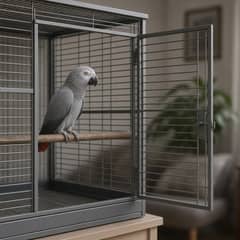
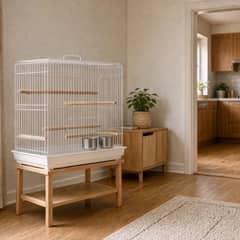
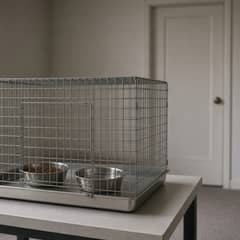
| Powder-coated or stainless flight-style cage: at least 18 by 18 by 24 in, 36 in long or more as the target, bars ideally 3/8 to 7/16 in apart and never over 5/8 (the cage linked has 1/2 in bars; check the dimensions and bar spacing before you buy) | $80 - $240 |
| Perches of varied diameter and material, about 3/8 to 1/2 in across | $20 - $35 |
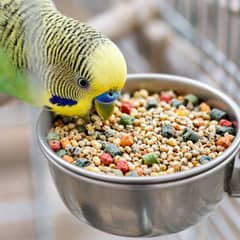
| Food and water dishes, mounted so you can fill them from outside the cage | $10 - $20 |
| A foraging toy for part of the daily ration | $10 - $25 |
| Shreddable and chew toys, soft wood included | $20 - $40 |
| Plain breathable cage cover for the dark hours (this size fits cages up to about 37 by 25 by 48 in, the flight cage above included; check the dimensions before you buy) | $25 - $65 |
| Shallow bird bath for the daily bath | $10 - $20 |
| Full-spectrum UVB fixture made for birds, not a reptile bulb, 12 to 18 in from the perch, for a bird with no safe outdoor time | $60 - $95 |
| Plug-in timer for the UVB fixture | $5 - $20 |
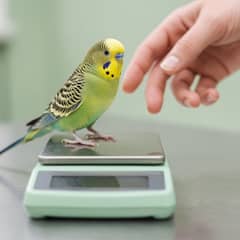
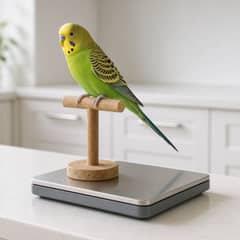
| Gram scale that reads in single grams, with a perch or box on top | $10 - $15 |
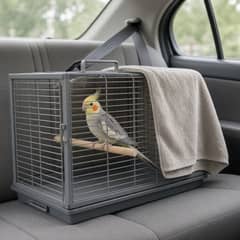
| Small-bird travel carrier with stainless steel mesh sides, which a hard chewer cannot bite through | $35 - $40 |
| First cuttlebone, kept in the cage at all times | $5 - $15 |
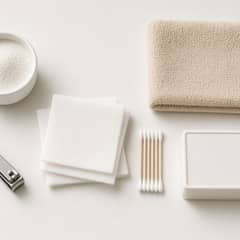
| Styptic gel labeled for birds, for minor bleeding from a nail, the beak or a feather | $10 - $15 |
| First bag of small parrot pellets | $15 - $25 |
| Setup total | $315 - $670 |
Typical price ranges across retailers.
The cage is the place to spend. A quality stainless or powder-coated option runs $80 to $240, and it should already meet the minimum size and bar spacing. Skip cages in the $30 to $50 range: they rust, and a rusting cage is a zinc poisoning risk, which is a veterinary emergency.
The pellet row covers the first bag. After that, pellets are counted in the yearly table below. The first avian checkup, about $128 as a new client, comes on top.
The UV light in the table is one made for birds, not a reptile or plant bulb. Replace its bulb about every six months, since the UV output fades before the light goes out. A replacement bulb runs about $33. The carrier has stainless steel mesh sides, because a lovebird chews through a soft carrier. Plain paper for the cage tray, a carbon monoxide detector and stainless or cast iron pans are household items most homes already have, so they are not priced here.
The cage cover in the table is a plain, breathable one, and that is on purpose. Skip the enclosed "sleep tents" and "happy huts" sold for nighttime use. In a lovebird, a nest-like shape triggers hormonal, territorial behavior and chronic egg laying. A plain cover gives the same nighttime darkness without the risk.
Ongoing Costs: Roughly $330 to $490 a Year
Averaged out, that is $25 to $45 a month. Toys are the wild card, because lovebirds are hard chewers and go through them quickly. Here is how the annual total breaks down:
| Item | Annual Cost |
|---|---|
| Pellet top-ups | $70 - $110 |
| Fresh vegetables | $80 - $130 |
| Replacement toys, rotating | $40 - $70 |
| Replacement UV bulb, about every six months | $65 - $70 |
| Annual avian wellness exam, tests extra | $75 - $110 |
| Annual total | $330 - $490 |
Vet Costs
Book the first avian exam within the first week or two of bringing the bird home. A routine avian checkup runs about $75 to $110. Vets recommend one or two a year, so annual care can add up to a couple hundred dollars.
The first visit costs more: a new client pays about $128 at one mobile avian practice, plus its $55 travel fee. A visit for a sick bird runs about $120 before tests. Screening a new bird for psittacosis and beak and feather disease adds lab fees: one US avian lab lists each PCR (lab DNA) test at $24.50.
Emergencies are the larger budgeting risk: egg binding or an injury can run into the thousands. Keep an emergency fund, find an avian vet before you need one, and keep the number in a bird emergency plan.
The Cost Decision That Matters Most: One Bird or Two
This decision is about your time more than your money. A single, hand-raised lovebird bonds to you and becomes tame and interactive, but it needs time with you and time out of the cage every day, not just on weekends. A bonded pair bonds to each other instead and largely ignores you. The two are entertaining to watch but rarely tame or reliable to handle.
If you cannot commit time every day, two birds that keep each other company is the kinder choice, even though it changes the kind of pet relationship you will have. A pair costs more in food, toys and vet checks. The cage costs the same if you buy one sized for two from the start. Two lovebirds that never accept each other need a second cage.
Spend on the Cage, the Vet and a Fund
The bird is the small number in a lovebird's budget. Put the money into a good cage and the avian vet, and keep an emergency fund beside them.
Sources & Further Reading
Last reviewed 8 Sep 2026 · 6 sources
The Lovebird Care Package adds one line to this budget: $8.99 for a 49-page PDF with the setup shopping list, the budget sheet and the whole care guide on paper. Includes the Universal Pet Kit free: a budget and emergency fund you can fill in.
Frequently Asked Questions
How much does a lovebird cost to buy?
$150 to $185 for a peach-faced, Fischer's or masked lovebird from a bird store, and $20 to $100 to adopt. A hand-raised bird costs more than a parent-raised one and is the better choice for a tame pet.
What does a full lovebird setup cost upfront?
$315 to $670 before the bird, with every item priced: a quality cage ($80 to $240 for stainless or powder-coated), varied perches, food and water dishes, a foraging toy, shreddable and chew toys, a breathable cage cover, a shallow bath, a full-spectrum UV light made for birds, a gram scale, a chew-proof travel carrier, a cuttlebone, styptic gel and the first bag of pellets. Skip cages in the $30 to $50 range: they rust, and a rusting cage is a zinc poisoning risk.
What are the ongoing monthly costs for a lovebird?
$25 to $45 a month once you average out the annual pellet, produce, toy, and vet-care costs, which run $330 to $490 a year total. Toys are the wild card, because lovebirds are hard chewers and go through them fast.
How much does avian vet care cost for a lovebird?
A routine checkup is $75 to $110, recommended once or twice a year, which puts annual care at a couple hundred dollars. Egg binding or an injury can run into the thousands, so keep an emergency fund for this species.
Should I get one lovebird or two?
One hand-raised bird bonds to you and needs your time every day. A pair bonds to each other and is rarely tame, and it is the kinder choice for a home without that daily time.
More on the Lovebird
Recommended Gear
As an Amazon Associate I earn from qualifying purchases through the links above, at no extra cost to you.

Written by Michael Ryan
Mike has looked after neighbors’ budgies and lovebirds on and off for years.
Mike keeps two rescued bearded dragons, Dex and Cera, and writes the care guides on BeastlyFacts from his own research and mistakes. He is not a veterinarian.
More about Michael Ryan →You May Also Like

Subscribe - it's free
An occasional email when something new is worth your time. No spam.
Deep Dive
Health and More