Why Is My Budgie's Cere Changing Color? What It Actually Means
On This Page▾

The cere is easy to overlook - a small fleshy patch above the beak where the nostrils sit - but it's one of the more genuinely useful pieces of information a budgie keeper has, both for figuring out sex and for noticing when something's off.
Using Cere Color to Sex a Budgie
Cere color is one of the more reliable simple sexing methods available in the bird world. Adult males typically have a blue to purple-blue cere. Adult females typically have a tan, brown, or pale white cere that can thicken and roughen during breeding condition. Juveniles of both sexes usually show a pink or pale purple cere that hasn't yet settled into its adult color, which is why sexing a very young budgie by cere alone isn't reliable - it usually resolves somewhere between 6 and 12 months of age.
Cere-based sexing works well enough in budgies that it's one of the few visual sexing methods experienced keepers trust without needing DNA testing or surgical sexing, which many other parrot species require.
Hormonal Cere Changes in Females
A female's cere responding to hormonal shifts is completely normal biology, not a symptom on its own. Increased daylight exposure, the presence of a mate, or access to nesting material can all trigger breeding condition, visible as a browner, thicker, sometimes crusty cere. It typically smooths back out and lightens once she's out of that hormonal state.
When Cere Color Changes Signal a Problem
Context matters more than the color alone. A brown, crusty cere in a female is often just breeding condition. That same texture change in a male is a different story - it's more often linked to an actual health issue, including scaly face mites (which cause a crusty, porous texture) or, less commonly, a cere tumor. Sudden changes, bleeding, or a change accompanied by other symptoms like lethargy or labored breathing are all reasons to see an avian vet rather than assume it's hormonal.
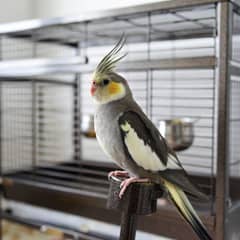
It's a small patch of skin, but it tells you more than almost anything else you can check at a glance, and it is a budgie-specific tell: the cockatiel it is most often compared with has no cere colour to read.
❓ Frequently Asked Questions
What color cere means my budgie is male?
A blue or purple-blue cere is the standard indicator of an adult male budgie. Some color mutations produce slightly different shades, but blue-toned is the reliable pattern across most standard budgie colorations.
Why does my female budgie's cere look brown and crusty?
This is a normal sign of breeding condition - hormonal changes cause the cere to thicken and develop a browner, sometimes crusty texture, especially with more daylight exposure or the presence of a mate or nesting material. It typically returns to a smoother, paler tan or white outside of breeding condition.
Can I tell a budgie's sex before it's fully grown?
Not reliably. Juvenile budgies of both sexes usually have a pink or pale purple cere regardless of sex, and the adult blue-versus-brown distinction typically doesn't settle in until somewhere around 6 to 12 months of age.
Is a change in cere color always a health concern?
No - in females, brown and crusty is a normal hormonal state, not automatically a problem. In males, however, a cere that turns brown, crusty, or scaly is more often a genuine warning sign, sometimes linked to conditions like scaly face mites or, less commonly, a cere tumor, and is worth an avian vet check.
Can diet or hormones affect cere color in adult budgies?
Yes. Hormonal state is the main driver of cere changes in females specifically, and overall health and hormone balance can influence cere texture and color intensity in both sexes over time, which is part of why sudden or unusual changes are worth paying attention to.
📰 More on the Budgie
Written by Michael Ryan
Mike has looked after neighbors’ budgies and lovebirds on and off for years.
Mike keeps two rescued bearded dragons, Dex and Cera, and writes the care guides on BeastlyFacts from his own research and mistakes. He is not a veterinarian.
More about Michael Ryan →Comments
No comments yet - be the first!