How to Handle a Parrotlet (Its Bite Is Stronger Than You'd Guess)
On This Page▾

Parrotlets are the smallest parrot commonly kept as a pet, and one of the least aware of it.
The Bite Is Stronger Than a Budgie's
This isn't a reputation the species doesn't deserve. A parrotlet's bite is much stronger than a budgie's despite its smaller size, and the bird doesn't seem to know it's small, it will challenge other animals, other birds, and people without much hesitation. Left without regular handling, it can become nippy, moody, and aggressive. This is a real behavioral trait to plan around, and no exaggeration.
The Single Decision That Changes Everything: One Bird or Two
As with lovebirds, this matters more for handling than almost anything else you'll decide. A single, well-socialized parrotlet bonds intensely to its person, becomes tame and interactive, and can end up affectionate, riding on shoulders and stepping up reliably. A bonded pair is a different experience: the two birds bond mainly to each other, entertaining to observe, but rarely as tame or as reliably handleable.
A pair is a workable option for an owner with less free time to give, since the birds keep each other company, and singly is the safer default: this is a territorial bird even with its own kind, and a dominant bird has been known to shove a mate away from food or a perch, or worse, injure it. Pairing can work, but only with a slow, supervised introduction, never two strangers dropped straight into one cage, and the cage setup guide has the steps that introduction actually takes.
The Socialization Routine That Works
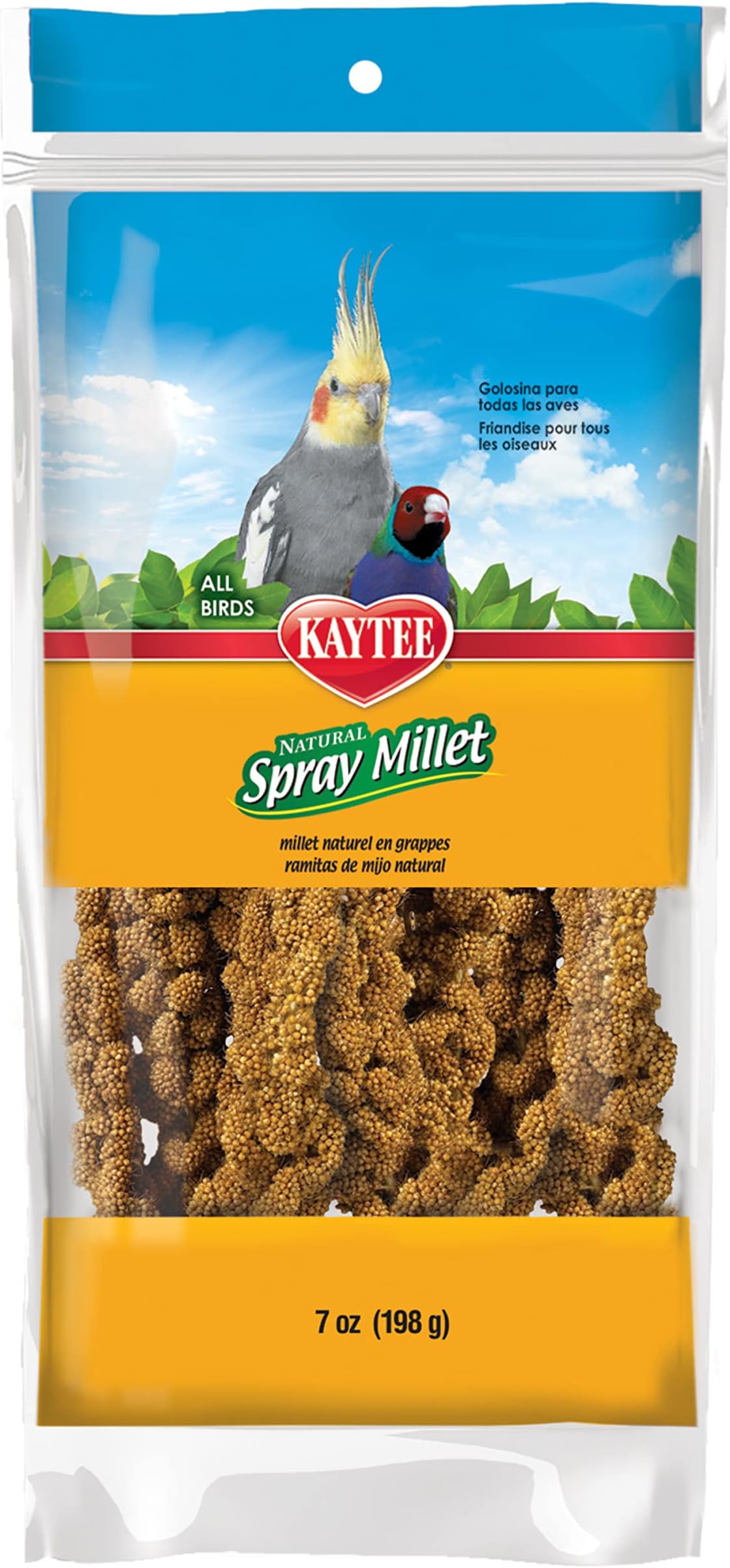
Start the day the bird comes home, and keep it consistent instead of intense. Short sessions, 5 to 10 minutes, two or three times a day, work better than one long forced session. Positive reinforcement is the mechanism that matters: offering a bit of millet for calm behavior teaches a parrotlet that hands mean good news.
Deliberate exposure to different people is worth building in early. Because this species bonds so hard to one person by default, a parrotlet that only ever interacts with a single household member is more likely to grow defensive or jealous toward everyone else, including other pets. Letting other family members handle the bird, calmly and on the bird's terms, heads that off before it sets in.
A parrotlet usually gives a gentle warning nip before an actual bite, a small piece of communication most new owners miss entirely. Learning to read that warning, and backing off rather than pushing through it, prevents far more bites than any amount of correction after the fact.
Never punish a bite. Calmly say "no" if you want a verbal cue, then set the bird down and disengage for a few seconds instead of reacting with a raised voice or a flinch, punishment teaches fear instead of good behavior, and erodes trust that takes real time to rebuild. Expect more nipping during molting (the bird is itchy and uncomfortable) and again around sexual maturity, both are normal developmental phases, and not a sign socialization has failed.
What an Under-Socialized Parrotlet Looks Like
This is where a parrotlet diverges from a budgie in a way worth taking seriously. A poorly socialized budgie tends to stay shy or standoffish, an unpleasant outcome, but rarely a dangerous one. A poorly socialized parrotlet is documented to become genuinely territorial and defensive, readily biting hard enough to draw blood, and capable of directing that aggression at anyone other than its one bonded person. That's a meaningfully more difficult pet to live with day to day, and it's the core reason consistent early handling matters more here than it does for most small birds.
First-Timer Mistakes
- Handling the bird only occasionally, then being surprised when it turns nippy or one-person-only
- Reacting to a warning nip with a flinch or a raised voice, which teaches the bird that biting gets a reaction
- Assuming two parrotlets introduced straight into one cage will simply get along
- Expecting a bonded pair to become as tame and handleable as a single, well-socialized bird, they won't bond to you the same way
How Parrotlets Compare to Budgies
A budgie is the more forgiving first bird: gentler by temperament, more tolerant of an inconsistent taming schedule, and genuinely content solo with enough attention from you. A parrotlet is bolder, bites harder for its size, and needs consistent handling to stay friendly instead of nippy. If lower-drama and kid-friendly is the priority, our Budgie handling guide covers that gentler taming process in full. If outsized personality is the draw and the socialization work doesn't scare you off, a parrotlet is a rewarding alternative.
The Parrotlet encyclopedia profile covers the species itself, beyond keeping one.
Sources & Further Reading
❓ Frequently Asked Questions
Is a parrotlet's bite stronger than a budgie's?
Yes. The bite is much stronger than a budgie's despite the parrotlet's smaller size, and the bird doesn't seem to know it's small, it will readily challenge other animals, other birds, and people. Consistent handling from early on is what keeps that bite from becoming a habit.
Should I get one parrotlet or a bonded pair?
It depends on what you want from the relationship. A single, well-socialized parrotlet bonds intensely to its person and can become an affectionate, hands-on companion. A bonded pair bonds mainly to each other instead, entertaining to watch but rarely as tame. Singly is the safer default, since even a bonded pair can turn possessive with one bird dominating the other, and a pair suits an owner with less daily time to give.
How do I socialize a parrotlet to prevent nippiness?
Start early and stay consistent: short daily sessions of 5 to 10 minutes, positive reinforcement (a millet treat works well), and deliberate exposure to different people so the bird doesn't fixate on just one. Never punish a bite, calmly set the bird down and disengage for a few seconds instead, punishment teaches fear, not good behavior.
What happens if a parrotlet isn't well socialized?
It can become difficult in a way a budgie rarely does. Without regular handling, parrotlets are documented to turn nippy, moody, and territorial, and a single bird that bonds hard to one person can become defensive or jealous toward everyone else in the household, including other pets.
How does a parrotlet compare to a budgie for handling?
A budgie is the more forgiving choice: gentler by temperament, more tolerant of a slower or inconsistent taming process, and content solo with enough attention. A parrotlet is bolder and bites harder for its size, and needs consistent handling to stay friendly rather than nippy. If you want lower-drama and kid-friendlier, get the budgie. If you want outsized personality and don't mind the socialization work, the parrotlet is a great alternative.
📰 More on the Parrotlet
🛒 Recommended Gear
As an Amazon Associate, we earn from qualifying purchases through the links above - at no extra cost to you.
Written by Michael Ryan
Mike keeps two rescued bearded dragons, Dex and Cera, and writes the care guides on BeastlyFacts from his own research and mistakes. He is not a veterinarian.
More about Michael Ryan →Comments
No comments yet - be the first!