How Much Does a Canary Cost?
On This Page▾

Canaries are one of the more affordable pet birds you can buy, and the price climbs once you get into specialized song and show breeds.
The Bird: $25 to $500
Common yellow canaries from pet stores run $25 to $60. Red Factor canaries, bred specifically for color, run $80 to $150. Specialized song breeds, American Singers, German Rollers, and Spanish Timbrados among them, run $100 to $250 or more, with prize singers and exhibition quality birds reaching $200 to $500.
Males typically cost 20 to 50% more than females, because males do the singing and most buyers want a singing bird.
Upfront Setup: $255 to $605
| Item | Cost Range |
|---|---|
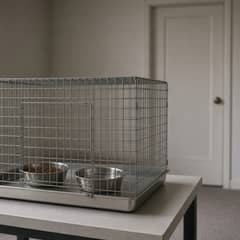
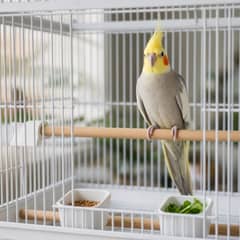
| Wide flight cage, at least 24 by 18 by 18 inches with bars 3/8 inch or narrower (check the dimensions and bar spacing before you buy) | $60 - $300 |
| Wood perches, varied diameter | $10 - $25 |
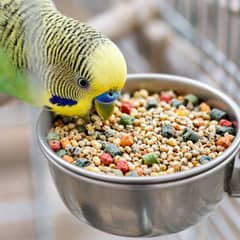
| Clamp-on food and water dishes, one each for dry food, fresh food and water | $10 - $20 |
| Full-spectrum UV light and fixture made for birds, for a bird with no safe outdoor time | $60 - $95 |
| Plug-in timer for the UV light | $5 - $20 |
| Shallow bird bath | $10 - $20 |
| Cuttlebone, kept in the cage at all times | about $5 |
| First bag of canary pellets | $10 - $20 |
| Breathable cage cover for the dark hours (check it fits your cage) | about $40 |
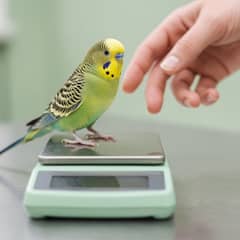
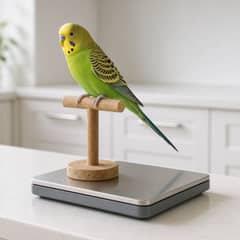
| Bird scale with a perch, reading in 0.1 g steps | $30 - $40 |
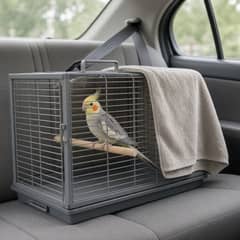
| Small-bird travel carrier, for vet visits | $15 - $20 |
| Setup total | $255 - $605 |
Typical price ranges across retailers.
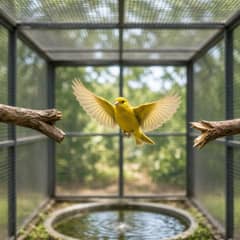
A quality flight cage runs $60 to $300 on its own, and it is the line worth spending on. A canary flies from perch to perch instead of climbing, so a wide, long cage suits it far better than a tall, narrow one. A canary kept indoors also needs a full-spectrum UV light made for birds, since window glass filters out the UV it uses to make vitamin D, and three dishes, one each for dry food, fresh food and water.
Extras, Not Counted in the Setup Total
A single pet canary needs nothing from this list.
| Extra | Cost Range |
|---|---|
| First supply of egg food, for a breeding or laying hen | $10 - $15 |
| A second set of food and water dishes, so each bird in a shared cage has its own | $10 - $20 |
| All the extras together | $20 - $35 |
Typical price ranges across retailers.
Ongoing Costs: Roughly $10 to $30 a Month
Seed or pellet food, fresh produce, cage liners, and occasional toy replacement make up the monthly total. The food line stays small because the bird is small: most canaries eat one to two teaspoons a day of pellets with a little seed, so a bag lasts a long time. The liner is the most frequent purchase, since the paper gets replaced at least weekly, and more often with two birds in one cage.
The Small Things That Wear Out
Perches, dishes and toys get replaced when they wear or fray, and a fraying fabric toy comes out at once, since loose threads wrap around toes. None of it is a large cost, but it recurs for the life of the bird, alongside the weekly liners. A UV bulb is on the same list, replaced every six months as its output fades.
Vet Costs
Budget $50 to $100 or more for a first exam soon after the bird comes home. After that, an annual avian wellness exam runs $50 to $100 or more, and it is worth budgeting for even though it's easy to skip. Book that checkup twice a year where you can manage it, which doubles that line. Mite treatment or a respiratory illness adds to it. So do the droppings tests a vet runs first on a canary that is losing weight. A canary kept outdoors may also need a pox vaccine from an avian vet and mosquito screening on its cage, costs an indoor bird skips.
Nail trims come up every few weeks to every few months, and they are best done by the vet or someone trained to trim a bird this small, so plan on them at the clinic.
Find an avian vet, a veterinarian who treats birds, before you need one, and keep a fund for illness beside the exam money.
Lifespan
A canary typically lives 6 to 12 years, with up to 15 reported and the odd bird reaching 20. The longevity record for a captive canary is 24 years. That is one exceptional bird, so plan on the typical span. It is a long commitment for a bird often bought on impulse for its song.
What a Canary Costs Over Its Life
Run the monthly range and the annual exam across the typical lifespan and the running cost comes to roughly $170 to $460 a year. Over 6 to 12 years that is about $1,020 to $5,520, before the bird and the setup. Illness sits on top: a mite treatment or a respiratory infection is not in that figure.
Two Males Means Two Cages
Male canaries should not be housed together, because they fight. A buyer who wants two singers is buying two flight cages, which doubles the largest line in the setup table.
A second bird also means a spare cage or travel cage for quarantine, since a new canary is kept apart, tested and treated for parasites before it meets the first one.
The Cost Decision That Matters Most: Are You Buying for the Song?
If you want a singing bird, make sure you are buying a confirmed male. Ask the seller directly, because females cost less but do not sing the way most buyers expect. Hear the bird sing before you pay, since song is the surest proof at the store that you are buying a male.
A quiet hen sold as a singer is the most common disappointment with this species, and one question before you buy prevents it.
Budget for the Years, Not the Bird
The bird is a small part of the cost. Put the money into a wide flight cage, a yearly avian exam and a fund for illness, and plan on six to twelve years of it.
Sources & Further Reading
Last reviewed 24 Sep 2026 · 5 sources

Put these numbers in a budget you can fill in. The Universal Pet Kit has it, among 19 forms for any pet that you can type into or print.
Frequently Asked Questions
How much does a canary cost to buy?
$25 to $60 for a common yellow canary from a pet store, $80 to $150 for a Red Factor bred for color. Song breeds like American Singers, German Rollers, and Spanish Timbrados start at $100 to $250, and prize singers or exhibition birds reach $200 to $500. Males typically cost 20 to 50% more, since males are the singers.
What does a full canary setup cost upfront?
$255 to $605, covering a wide flight cage, wood perches of varied diameter, three dishes, a UV light on a timer, a shallow bath, a cuttlebone, a first bag of pellets, a cage cover, a perch scale and a carrier. A quality flight cage alone runs $60 to $300.
What are the ongoing monthly costs for a canary?
Roughly $10 to $30 a month for seed or pellet food, fresh produce, cage liners, and the occasional replacement toy. Modest for a pet bird.
How much does vet care cost for a canary?
Plan on $50 to $100 or more for a yearly avian wellness exam, and twice that if you book the checkup every six months. Mite treatment or a respiratory illness costs extra if it comes up.
How long do canaries live?
Usually 6 to 12 years. A few reach 15 or even 20, and the record is 24, so plan on the usual span.
Should I buy a male or female canary?
Buy a confirmed male if you want song, and ask the seller to confirm it. Females cost less but mostly chirp.



Recommended Gear
As an Amazon Associate I earn from qualifying purchases through the links above, at no extra cost to you.

Written by Michael Ryan
Mike keeps two rescued bearded dragons, Dex and Cera, and writes the care guides on BeastlyFacts from his own research and mistakes. He is not a veterinarian.
More about Michael Ryan →You May Also Like

Subscribe - it's free
An occasional email when something new is worth your time. No spam.
Health and More