How Much Does a Parrotlet Really Cost?
On This Page▾

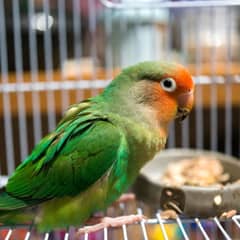
Parrotlets are the smallest parrot commonly kept as a pet, smaller even than a budgie, but neither the price nor the personality scales down with the body. This is a bold, strong-willed bird, and that matters for budgeting as much as the sticker price does.
The Bird Itself: $100 to $900
A common green or blue Pacific parrotlet runs $100 to $400 from a breeder. Rarer color mutations, American yellow, lutino, dilute turquoise, and pied among them, commonly run $350 to $900, with exceptional individuals passing $1,000. Adoption or rehoming typically runs $50 to $300, and is worth checking first.
That puts a parrotlet solidly above a budgie ($20 to $80 for the bird itself) and below what you'd typically pay for a mid-size or large parrot, a conure, Quaker parakeet, or African grey. Hand-raised birds cost more than parent-raised ones and are generally the better choice if a tame, interactive pet is the goal.
Upfront Setup: Roughly $160 to $300
| Item | Cost Range |
|---|---|
| 18x18x24 in+ cage (larger preferred) | $120 - $220 |
| Perches of varied diameters | $10 - $25 |
| Foraging and shreddable toys | $10 - $22 |
| Food and water dishes | $10 - $18 |
| Cuttlebone or mineral block | $8 - $12 |
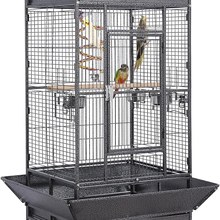
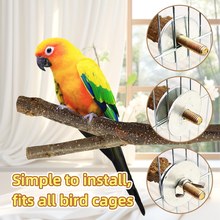
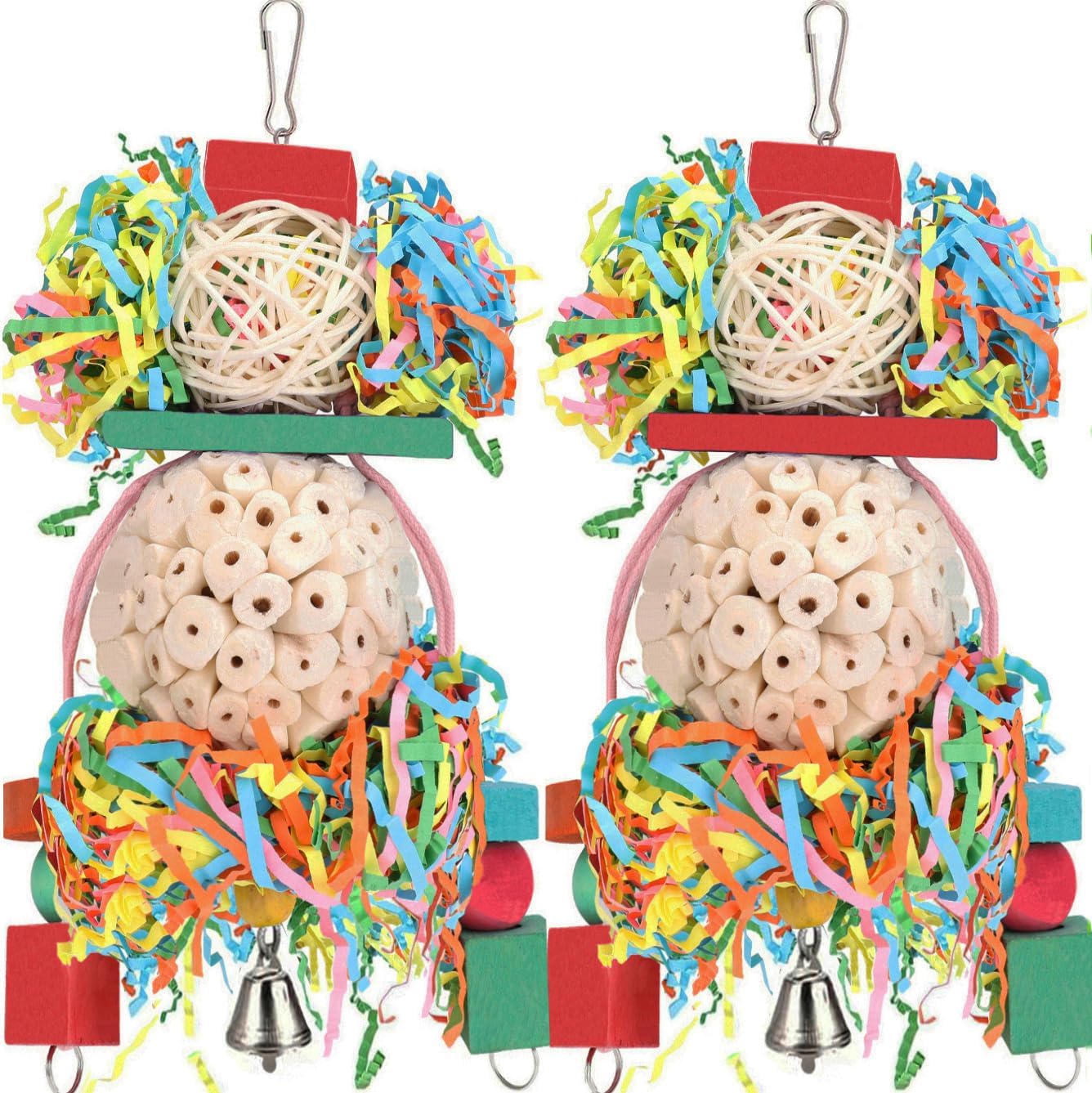


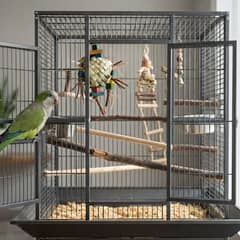
The cage is worth prioritizing. A minimum of 18x18x24 inches works for one bird, but parrotlets are surprisingly active and playful for their size, closer to a large parrot's energy in a tiny frame, so wider and roomier is a genuine upgrade rather than an indulgence.
Ongoing Costs: Roughly $21 to $33 a Month
| Item | Annual Cost |
|---|---|
| Small parrot pellets | $70 - $110 |
| Fresh vegetables and fruit | $80 - $130 |
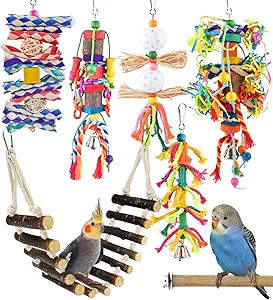
| Toys (rotating) | $40 - $70 |
| Annual avian vet checkup | $60 - $90 |
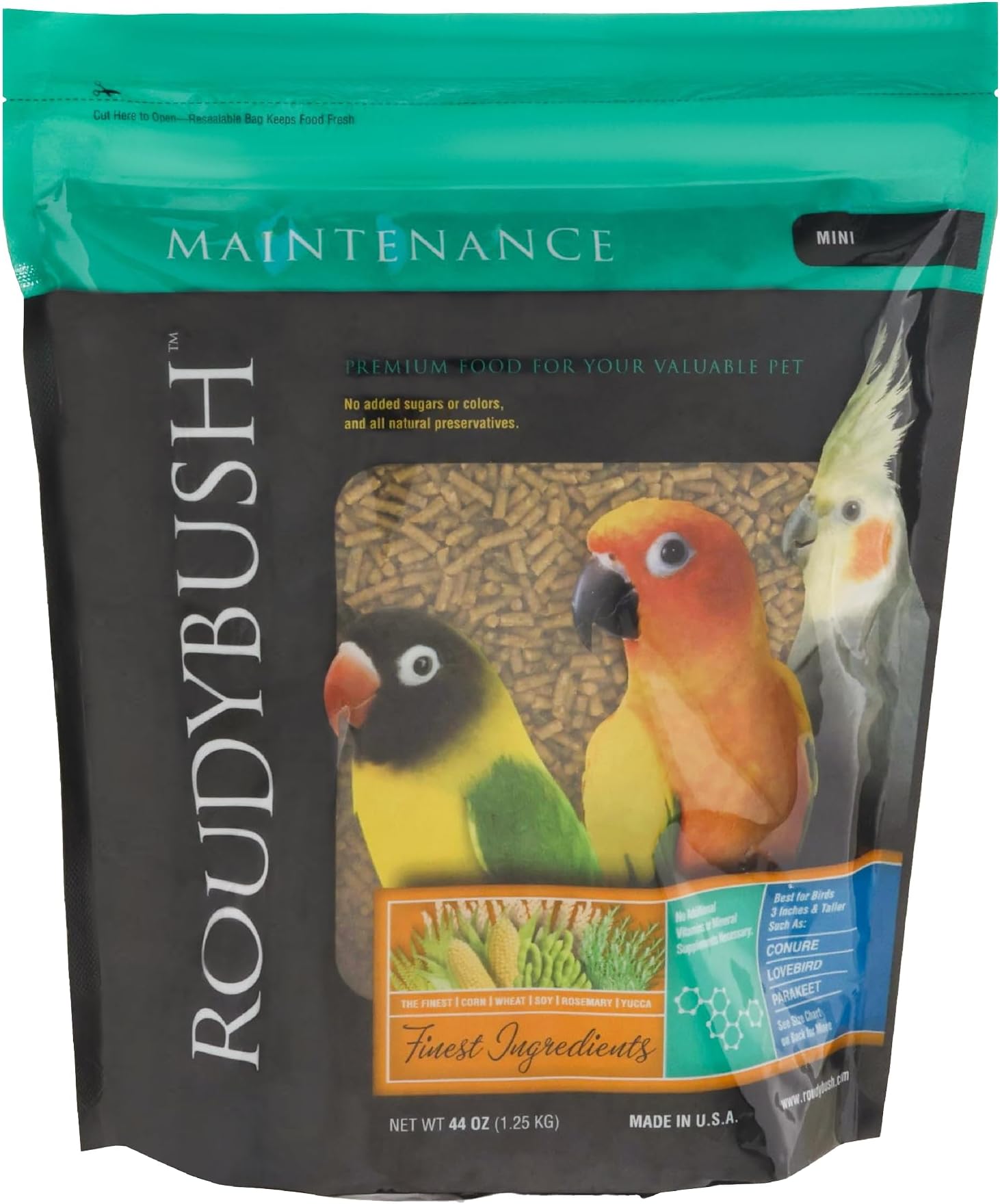
Prices last checked September 2026 at PetSmart. Retail prices move; treat the table as a snapshot, not a quote.
That works out to roughly $250 to $400 a year, or about $21 to $33 a month. The toy line item deserves a specific note: parrotlets are intelligent, active chewers that go through foraging and shreddable toys faster than their size suggests, budgeting for regular rotation isn't optional if you want to head off boredom-driven feather plucking.
Vet Costs
A routine annual checkup with an avian vet runs about $60 to $90. Parasite treatment, if it comes up, adds $0 to $80. Ongoing medication for a chronic issue can run $0 to $150 a year. The real budgeting risk is emergency care, egg-binding in a female or an injury from this bird's fearless, accident-prone streak, which can run $300 or more once diagnostics, fluids, or a procedure are involved. Avian-specific vets are scarcer than general small-animal vets, worth locating and saving the contact for before an emergency, not during one.
Lifespan: One to Two Decades
8 to 12 years is the average, and individual birds are reported into their 20s and occasionally their 30s. Avian-specialist guidance for this species puts the upper end of a well-kept bird's life at around 20 years. In the wild, where the species is less thoroughly studied, one frequently cited estimate averages around 10 years.
The honest takeaway: budget for a bird that could plausibly be part of your household for one to two decades, and don't assume the lower end of that range is a given. A proper pelleted diet and routine vet care are the biggest levers separating a parrotlet that lives 10 years from one that lives 20.
The Cost Decision That Matters Most: One Bird or Two
As with lovebirds, the single biggest factor in what kind of pet you end up with isn't a line item, it's whether you buy one parrotlet or two. A single, well-socialized bird bonds intensely to its person and can become a genuinely affectionate, hands-on companion. A bonded pair bonds mainly to each other instead, entertaining to watch but rarely as tame or reliably handleable.
A bonded pair of parrotlets doesn't automatically mean a peaceful cage. Even a bonded pair can turn possessive, with a dominant bird shoving its mate away from food or a favorite perch, and two unfamiliar parrotlets introduced carelessly can fight seriously enough to injure each other. This is a species that's small enough to underestimate and feisty enough to prove you wrong.
If two birds are the plan, budget for a noticeably larger cage than the single-bird minimum, and expect a slower, supervised introduction rather than assuming two parrotlets will simply get along.
If you're weighing this species against a similarly small, more budget-friendly first bird, our Budgie cost guide is worth a look, budgies are generally the cheaper and more forgiving choice.
For more on the species itself, check the Parrotlet encyclopedia profile.
The parrotlet also appears alongside the zebra finch in our roundup of Two Small Birds, Two Completely Different Pets.
Sources & Further Reading
❓ Frequently Asked Questions
How much does a parrotlet cost to buy?
$100 to $400 from a breeder for a common green or blue Pacific. Rarer mutations (American yellow, lutino, dilute turquoise, pied) commonly run $350 to $900, and exceptional individuals pass $1,000. Adoption or rehoming typically runs $50 to $300.
What does a full parrotlet setup cost upfront?
Roughly $160 to $300, covering an 18x18x24 inch (or larger) cage, varied perches, foraging and chew toys, food and water dishes, and a cuttlebone for calcium. The cage is the biggest single line item, and it's worth spending toward the top of that range rather than the bottom.
What are the ongoing monthly costs for a parrotlet?
Roughly $20 to $40 a month, covering pellets, fresh vegetables, rotating toys (parrotlets are hard on toys for their size), and an amortized share of annual vet care.
How much does avian vet care cost for a parrotlet?
A routine annual checkup runs about $60 to $90. Parasite treatment, if needed, adds $0 to $80, and true emergencies, egg-binding or an injury, can run $300 or more. Avian-specific vets are scarcer than general small-animal vets, worth locating before you need one.
Should I get one parrotlet or two?
This changes the relationship more than the budget. A single, well-socialized parrotlet bonds intensely to its person and can become an affectionate, hands-on companion. A bonded pair bonds mainly to each other, entertaining to watch but rarely as tame, and pairing has to be done gradually since two unfamiliar parrotlets can fight. If you want a close bond with one bird, get one. If you have less daily time to give, two that keep each other company is a reasonable alternative, just budget for a larger cage.
📰 More on the Parrotlet
📘 Parrotlet care guide
🐦 How to Handle a Parrotlet (Its Bite Is Stronger Than You'd Guess)
🐦 Common Parrotlet Health Issues and What Causes Them
🐦 Parrotlet Cage Setup: Small Bird, Real Space and Enrichment Needs
🐦 Parrotlet Feeding: Diet, Schedule, and Foods to Avoid
🦜 Parrotlet Enrichment: Five Inches of Full-Sized Parrot
🛒 Recommended Gear
As an Amazon Associate, we earn from qualifying purchases through the links above - at no extra cost to you.
Written by Michael Ryan
Mike keeps two rescued bearded dragons, Dex and Cera, and writes the care guides on BeastlyFacts from his own research and mistakes. He is not a veterinarian.
More about Michael Ryan →Comments
No comments yet - be the first!