How to Handle a Lovebird: Temperament, Taming and Pairs
On This Page▾

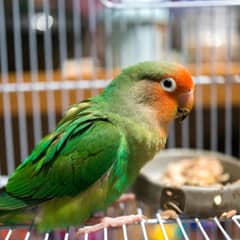
The name "lovebird" suggests a sweet, gentle pet. The bird is more complicated than that, and it pays to know how before you bring one home. This guide covers the three lovebirds sold as pets: the peach-faced (also called rosy-faced), Fischer's and the masked lovebird. All three handle the same way.
The Temperament the Name Doesn't Prepare You For
Lovebirds are affectionate and bold, but nippy and territorial too, especially females and especially during hormonal periods. A frightened or threatened lovebird can turn aggressive. Even a small one will chase a much larger bird, or the family dog or cat, out of its space.
One Bird or Two
This matters more for handling than almost anything else you will decide. A single, hand-raised lovebird bonds closely to its person and becomes tame, interactive and often affectionate, riding on shoulders and stepping up reliably. A bonded pair is a different experience: the two bond to each other, largely ignore their keeper, and are closer to a pair of finches, entertaining to watch but rarely tame.
If you want a tame pet bird, get one and commit to handling it every day, since a lovebird has to be handled daily to keep its tameness. If you cannot offer that, two birds that keep each other company is the kinder choice. Go in knowing it changes the kind of relationship you will have.
The First Days Home
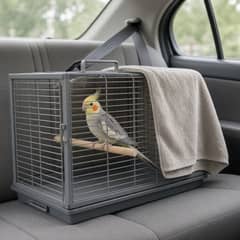
Have the cage set up before the bird arrives, with nothing nest-like in it, so it goes straight from the carrier into a finished home. Hold the open carrier against the open cage door and let the bird walk across. For the first few days keep the room calm, talk as you pass, and leave the bird alone apart from food, water and the daily paper change. Check that it eats, drinks and leaves normal droppings, and book the first avian vet visit for within the first week or two.
Taming, in Order
Start once the bird has settled in and is eating normally. Then work through these steps in order:
- Talk softly and move slowly around the cage until the bird stops backing away from you.
- Open the cage door and let the bird come out on its own, in a room checked as in Before Its First Time Out, below. Work with it away from the cage, where a defensive bird is calmer. Hold a dowel gently against the bird's chest and offer a treat at the same time, so it is rewarded for stepping on. A stick is safer and faster than a hand.
- Move to a finger only once the stick is reliable.
Reading the bird first matters as much as the steps. Pupils that flash small and large (called pinning), a lunge, or feathers held tight are all reasons to stop, and the bird body language guide covers what each one means.
Before Its First Time Out
Check the room before the cage door opens: windows and doors shut, ceiling fans off, other pets out of the room, no open water or hot pans, and nothing within reach that a hard chewer can hurt itself on. A lovebird is a hard chewer, so move cords, houseplants and small loose objects out of reach too. Keep the first sessions short and in one room. The household hazards guide covers the rest of the house.
What Triggers Aggression, and How to Manage It
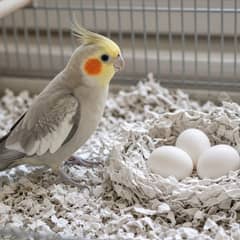
Lovebirds like climbing into boxes and tents, and in an adult bird a nest box, an enclosed hut (sold as a happy hut), or a tent encourages territorial breeding behavior. That is a health issue as well as a behavior one, because female lovebirds commonly overproduce eggs.
Reaching into the cage of an already-defensive bird is a reliable way to get bitten. If your lovebird becomes cage-aggressive, do four things:
- Remove anything nest-like.
- Switch to dishes you fill from outside, so you never reach in.
- Handle the bird in a neutral room, where the aggression often eases.
- Use the stick from the taming steps instead of offering a hand.
Never With Another Species
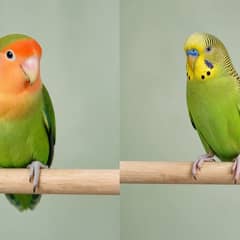
A lovebird is never housed with another kind of bird. The same pair-bonding drive that makes a lovebird devoted can turn into aggression toward a cage mate of another species, and that can end in serious injury or death. That is the sharpest difference from a budgie, which can live with other small birds.
Adding a Second Lovebird
The second bird has to be a lovebird of the same species. Different lovebird species may fight when housed together, and a pair that is not a true match can turn on each other. Even a well-matched pair carries a risk that is particular to this bird: aggression between mates is common, usually the female bullying the male, and in a bad case it ends in injury or death. When it happens, separate cages settle it.
That shapes the plan. Budget for two cages from the start, because a second lovebird that never accepts the first still needs a home. A bird living in its own cage beside the other is a workable end point. Introduce them in stages:
- Take the newcomer to the vet, then keep it in quarantine in a separate room for at least 30 days, and up to 45, where the resident can hear the new bird but not see it.
- Put the cages in the same room, visible to each other but out of reach. Move them closer over the following days while both birds stay calm.
- Hold the first meeting on neutral ground, in a room neither bird owns, with both birds out and supervised. A female lovebird defends her cage hardest, and the aggression often stops once the cage is out of sight.
- Go back to separate cages at the first sign of real injury. Squabbling is normal; blood is not.
Give the resident extra attention with the newcomer in view, so the new bird arrives as an addition and not a replacement. Acceptance takes weeks to months. A second bird also changes the first: two lovebirds usually bond to each other, even two of the same sex, and become less interested in people.
Work With the Temperament
A lovebird does best with daily, patient handling away from its cage, and a cage with nothing nest-like in it. Read the bird before each session, stop at the first warning sign, and pick the session up again tomorrow.
Sources & Further Reading
Last reviewed 20 Jul 2026 · 5 sources
- VCA Animal Hospitals: Lovebirds, General
- Lafeber Pet Birds: Lovebird Questions; Lovebird or Parrotlet?
- MSPCA-Angell: Bird Care Guide, Lovebirds
- Bird Vet Melbourne: Caring for Lovebirds
- PetMD: Getting a Second Bird, What You Need to Know; Lovebirds Care Sheet
Frequently Asked Questions
Are lovebirds aggressive despite the name?
They can be. Lovebirds turn territorial and aggressive when frightened or threatened, females and hormonal birds most of all.
Should I get one lovebird or two?
One bird if you want a tame pet and can handle it every day. Two if you cannot, since a pair keeps each other company but rarely tames.
What triggers aggression in a pet lovebird?
Anything nest-like: a nest box, a happy hut, or a tent. In an adult lovebird those encourage territorial breeding behavior. Reaching into the cage of a defensive bird is the other reliable trigger.
How do I manage a cage-aggressive lovebird?
Remove anything nest-like, feed from outside the cage, and do your handling in another room with a stick to step onto.
Can a lovebird share a cage with a budgie or cockatiel?
No. A lovebird can attack a bird of another species badly enough to injure or kill it, so it lives with lovebirds only.
More on the Lovebird


Recommended Gear
As an Amazon Associate I earn from qualifying purchases through the links above, at no extra cost to you.

Written by Michael Ryan
Mike has looked after neighbors’ budgies and lovebirds on and off for years.
Mike keeps two rescued bearded dragons, Dex and Cera, and writes the care guides on BeastlyFacts from his own research and mistakes. He is not a veterinarian.
More about Michael Ryan →You May Also Like



Subscribe - it's free
An occasional email when something new is worth your time. No spam.
Health and More