Mouse Enclosure Setup: Why a Wire Cage Beats a Glass Tank Here
On This Page▾

Mouse housing runs on the opposite logic from a lot of small-mammal advice: the glass tank that's the right call for a gerbil is specifically the wrong one for a mouse.
Enclosure Size
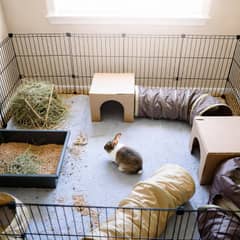
The Merck Veterinary Manual sets a concrete minimum: 18 inches long by 18 inches wide by 10 inches high for a small group of 2 to 3 mice. There's no single evidence-based ideal size beyond that floor, published housing recommendations are mostly drawn from laboratory settings rather than companion mice specifically, so more floor space and genuine vertical climbing room, using shelves, ramps, and multiple levels, is always the safer default rather than treating the minimum as a target.
Why a Wire Cage, Not a Glass Tank
This is the detail most worth getting right, and it runs against the instinct a lot of small-pet owners bring from other species. Merck is direct about it: "Aquariums are not suitable cages for rats and mice, because air circulation is inadequate and therefore ammonia builds up." A solid-sided enclosure, even one topped with a mesh lid, simply can't move air the way an all-wire cage can, and ammonia from urine breaking down is a genuine respiratory hazard.
This is one of the few places where the advice flips between two closely housed rodents. Our gerbil enclosure guide recommends a glass tank specifically because gerbils need deep substrate for real tunnel-digging that a wire cage can't hold. Mice need the opposite: the Merck Veterinary Manual is explicit that glass aquariums are unsuitable for them because of inadequate air circulation and ammonia buildup, so a well-ventilated wire cage, not a tank, is the right call here.
Look for a cage with a solid floor (wire mesh flooring risks injury to small feet) and wire sides and top for ventilation. Merck recommends a top mesh no larger than about 1cm square, strong enough to resist an adult mouse's chewing.
Bar Spacing: The Single Most Important Number
Floor space matters, but bar spacing is what actually determines whether a mouse stays inside the cage. The maximum safe spacing is around a quarter inch (6mm), with 5mm sometimes recommended. That's tighter than the roughly quarter-inch standard already considered strict for a dwarf hamster, worth knowing since plenty of cages marketed broadly for "small animals," including ones with spacing around three-eighths of an inch, look tight but are still wide enough for a determined mouse to squeeze through.
Bedding: Shallower Than You'd Guess
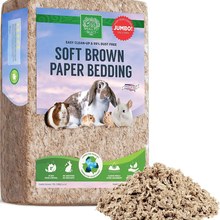
Provide dust-free, paper-based bedding, at least about 2 to 4cm deep according to RSPCA guidance, enough to support nesting and light digging. That's considerably shallower than the many-inches-deep bedding a hamster or gerbil needs, mice aren't the deep-tunneling species a gerbil is, though they are enthusiastic nest builders, and how much nesting material to give has an actual tested number behind it. Avoid cedar and aromatic pine entirely (the oils irritate the respiratory system) and skip fluffy, cotton-wool-style nesting products, which pose a real entanglement and blockage risk.
Temperature and Humidity
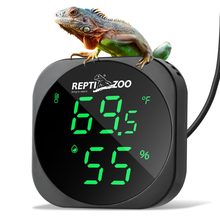
64 to 79°F with 30 to 70% relative humidity is the comfortable range, per Merck, and mice have limited ability to regulate their own body temperature, so staying inside that range matters more than it might for a hardier pet. A digital thermometer and hygrometer makes it easy to confirm the room is actually holding steady rather than guessing, and keeps humidity from drifting low enough to contribute to ringtail, a tail circulation problem.
The Wheel and Enrichment
A solid-surfaced, axle-free exercise wheel sized for a mouse, roughly 6 to 8 inches rather than the 10 to 12 inch wheels sold for hamsters, gives a mouse a safe outlet for its energy. The RSPCA is clear that a wheel "shouldn't be the only form of enrichment" though. Round it out with cardboard tubes and tunnels to climb, chew, and manipulate, a hideout since mice are a prey species that prefer to stay near cover, and safe chew items for their continuously growing teeth. Rotating items occasionally keeps things interesting, mice investigate novelty quickly.
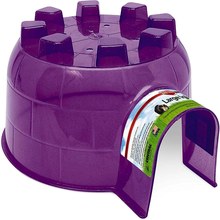

Rounding Out the Enclosure
A pair of shallow, chew-resistant dishes or a sipper-tube water bottle, checked daily, completes a basic setup. Keep the cage somewhere quiet and away from direct sun, high-pitched noise, and drafts.

The full Mouse encyclopedia profile has the bigger picture.
Sources & Further Reading
❓ Frequently Asked Questions
What size enclosure does a mouse need?
The Merck Veterinary Manual sets the minimum cage size for 2 to 3 mice at 18 inches long by 18 inches wide by 10 inches high, with more floor space and vertical climbing room always better. There's no single evidence-based ideal beyond that minimum, so bigger and more complex is the safe default.
Is a glass tank a good enclosure for a pet mouse?
No, and this is a real difference from gerbil housing. A glass tank can't move enough air, so ammonia builds up inside it. A well-ventilated wire cage is the better choice for mice specifically.
How tight does the bar spacing need to be for a mouse cage?
No more than about a quarter inch (6mm), and tighter still, down to 5mm, is sometimes recommended. That's tighter than most small pet cages, and mice can squeeze through gaps that would safely contain a hamster.
How deep should mouse bedding be?
Considerably shallower than a hamster's or gerbil's. The RSPCA recommends at least about 2 to 4cm of paper-based bedding, enough for nesting and light digging, but mice aren't the deep-tunneling species a gerbil is.
Does a mouse need an exercise wheel?
Yes, but solid-surfaced, axle-free, and mouse-sized, roughly 6 to 8 inches rather than the 10 to 12 inch hamster wheels. The RSPCA also says a wheel shouldn't be the only enrichment on offer.
📰 More on the Mouse
📘 Mouse care guide
🐭 How Much Does a Pet Mouse Really Cost?
🐭 How to Handle a Pet Mouse (Faster, Jumpier, and Easy to Underestimate)
🐭 Common Pet Mouse Health Issues (Respiratory Disease Moves Fast)
🐭 What Do Pet Mice Eat? Diet, Portions, and Foods to Avoid
🐭 Mouse Enrichment: Give Them Far More Nesting Material Than You Think
🛒 Recommended Gear
As an Amazon Associate, we earn from qualifying purchases through the links above - at no extra cost to you.
Written by Michael Ryan
Mike keeps two rescued bearded dragons, Dex and Cera, and writes the care guides on BeastlyFacts from his own research and mistakes. He is not a veterinarian.
More about Michael Ryan →Comments
No comments yet - be the first!