Common Cockatiel Health Issues (And Why the Kitchen Can Be Dangerous)
On This Page▾

Birds hide illness as a survival instinct, which means a cockatiel that looks visibly sick is often further along than the same symptoms would suggest in a cat or dog. A few conditions come up often enough, and one specific household hazard, that every owner should know about.
A pellet-forward diet and a well-set-up cage prevent most of what's on this list.
Nutritional Disease From Seed-Only Diets
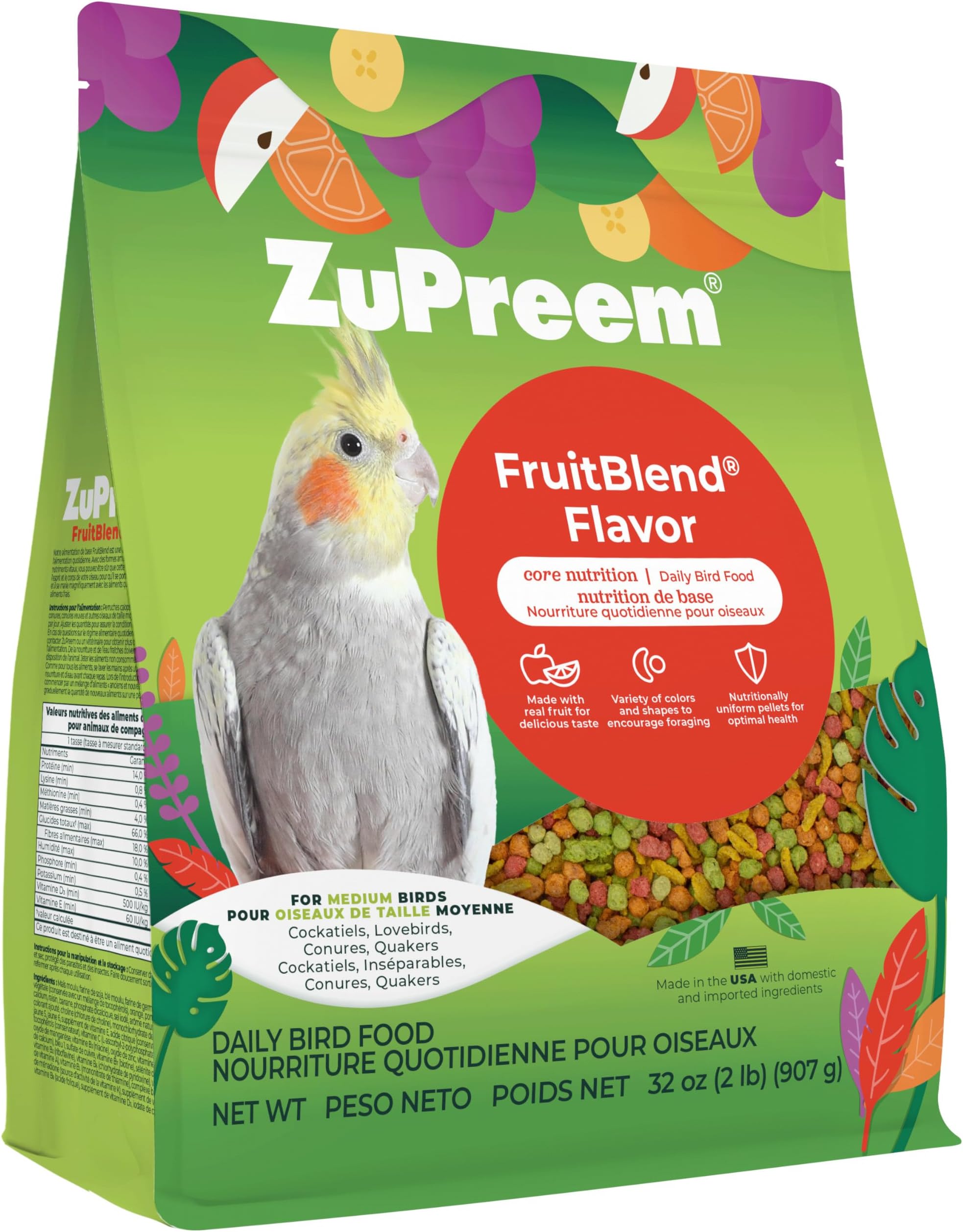
This is the most common preventable illness in pet birds. As one avian practice puts it plainly, birds that eat only seeds, especially sunflower seeds and peanuts, are the most prone to hypovitaminosis A, a vitamin A deficiency that shows up across multiple body systems. Standard seed mixes provide vitamin A at levels well below what a cockatiel actually needs.
Calcium deficiency, sometimes leading to a condition called nutritional secondary hyperparathyroidism, is common too, and cockatiels are noted as especially prone to it. A cuttlebone or mineral block kept in the cage at all times helps close that gap.

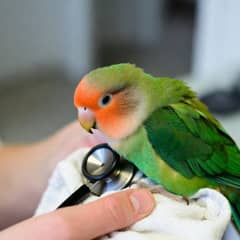
Wild cockatiels live in flocks where predators single out the weakest-looking bird, so hiding illness is a hardwired survival strategy, not a choice a bird makes. A cockatiel can mask sickness well enough that owners often don't notice anything is wrong until the illness has already progressed, which is exactly why routine wellness exams matter so much for this species specifically.
Reproductive Disease
Chronic egg-laying, egg binding, soft or shell-less eggs, and oviduct prolapse are all common, even in single female cockatiels with no male present. Egg binding specifically is a life-threatening emergency, not something to wait out at home. Budgies and lovebirds run into the same repeat-clutch problem.
Feather Destructive Behavior
Often traced back to boredom, loneliness, or stress rather than a purely medical cause. If your cockatiel starts plucking or damaging its own feathers, both environmental changes and a vet visit are worth pursuing, since the underlying cause isn't always obvious from the outside. Consistent, patient handling goes a long way toward preventing the boredom and stress that often sit behind this.
Obesity and Fatty Liver Disease
A high-fat, seed-heavy diet combined with limited activity leads here. This ties directly back to the nutrition point above, diet really is the common thread running through most of this list.
Psittacosis
Caused by Chlamydia psittaci. Worth knowing about specifically because it's zoonotic, meaning it can pass to people in the household.
Foreign Body and Toxin Ingestion
Cockatiels are noted as frequent offenders when it comes to ingesting rope fibers or heavy metal objects, curiosity plus a beak built for exploring makes this a real risk in a home that isn't fully bird-proofed.
The Kitchen Danger Worth Repeating
Overheated non-stick cookware releases fumes that are extremely dangerous, often fatal, to pet birds within minutes. This isn't a minor caution, it's one of the most serious preventable risks a bird owner can control simply by keeping birds out of the kitchen and being careful with cookware.
When to Call an Avian Vet
Because cockatiels hide illness so effectively, don't wait on: discharge from the eyes, nose, or mouth, bleeding, changes in droppings, sitting on the cage floor instead of perching, persistently fluffed feathers, tail-bobbing or labored breathing, or any sudden change in appetite or behavior. Annual wellness exams are worth doing even when nothing seems wrong.
Sources & Further Reading
Last reviewed 15 Jul 2026 · 3 sources
❓ Frequently Asked Questions
What's the most common preventable illness in cockatiels?
Nutritional disease from a seed-only diet. Birds that eat mostly seeds, especially sunflower seeds and peanuts, are prone to hypovitaminosis A and calcium deficiency, and cockatiels are noted as especially prone to the calcium-related form.
What reproductive problems affect cockatiels?
Chronic egg-laying, soft or shell-less eggs, oviduct prolapse, and egg binding are all common, even in a single female with no male around. Egg binding specifically is a life-threatening emergency, not something to wait out at home.
Why is overheated non-stick cookware so dangerous for cockatiels?
The fumes are extremely dangerous, often fatal, to pet birds within minutes. Keeping birds out of the kitchen entirely and being careful with cookware is one of the most important preventable risks an owner can control.
What symptoms mean I should call an avian vet right away?
Discharge from the eyes, nose, or mouth, bleeding, a change in droppings, sitting on the cage floor instead of perching, feathers fluffed for long stretches, tail-bobbing or labored breathing, or any sudden shift in appetite or behavior. Cockatiels hide illness so effectively that these signs usually mean the problem is already advanced, so none of them should wait.
🛒 Recommended Gear
As an Amazon Associate, we earn from qualifying purchases through the links above - at no extra cost to you.
Written by Michael Ryan
Mike keeps two rescued bearded dragons, Dex and Cera, and writes the care guides on BeastlyFacts from his own research and mistakes. He is not a veterinarian.
More about Michael Ryan →Comments
No comments yet - be the first!