Common Canary Health Issues
On This Page▾

Canaries face a handful of conditions common enough in this species to know before they show up, several of them mite-related and easy to overlook until song or breathing is already affected.
If your canary is breathing with its mouth open or its tail bobbing, sitting on the cage floor, or is a hen straining with a swollen belly, call an avian vet now. The urgency list near the end of this page sorts every other sign.
Air-Sac Mites
Air-sac mites live throughout the breathing system, from the windpipe and voice box to the lungs and the air sacs, the thin pouches connected to a bird's lungs. Canaries are among the birds they turn up in most often. A bird catches them from one already infected, and stress or overcrowding makes them worse.
Watch for: clicking, squeaking or wheezing as the bird breathes, sneezing, the tail bobbing with each breath, and open-mouth breathing. A singing male may go quiet before the breathing signs show. A light infection often shows nothing at all, and every sign gets worse with handling, exercise and stress.
What the vet does: the vet can sometimes see the mites by shining a light through the windpipe in a darkened room, and treats them with an antiparasitic drug, often a drop on the skin, repeated about two weeks later. Heavy infections can kill, so do not wait for the mites to clear on their own.
Prevention: quarantine every new bird, and keep the cage uncrowded.
Scaly Leg and Tassel Foot
In canaries the scaly mite builds crusts of overgrown scale on the legs and toes, the look keepers call tassel foot. The same overgrowth can also be genetic or come from poor nutrition, often in older canaries, so the vet tells them apart, sometimes by looking at the scale under a microscope. Scraping a small bird's leg bleeds easily, so that test is the vet's call. Mites are treated with an antiparasitic on the bare skin. The other causes need ongoing leg and foot care. See a vet early, before the crusts thicken.
Feather and Red Mites
Watch for bald patches and itching you only see at night. These mites feed after dark, which is why they are easy to miss at first. Red mites turn up mainly in outdoor aviaries, where they hide in nest boxes. Lethargy that keeps getting worse, with no clear cause, can point to anemia from a heavy infestation. Have an avian vet confirm the mites and choose the treatment, then treat the bird and its whole environment together: the cage, the perches and the area around it, because mites left in the cage reinfest a treated bird.
Respiratory Infection
Watch for ruffled feathers, discharge from the eyes or nostrils, and labored breathing. Bacteria and viruses cause it, among them mycoplasma and the chlamydia behind psittacosis, which people can catch too. Poor air quality, a dirty cage, household fumes and drafts often help it along. Fumes from overheated nonstick cookware can kill a canary, so keep the cage out of the kitchen. Treatment depends on which cause the vet's tests find, so see an avian vet instead of guessing.
Going Light
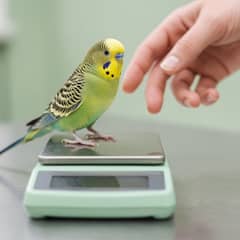
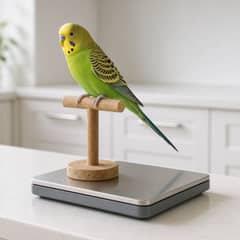
Keepers call it going light when a canary loses weight over weeks while it is still eating. It is not one disease. In canaries the usual causes are avian gastric yeast (Macrorhabdus, once called megabacteria), bacterial infection and candida yeast, and the vet's first step is usually a test on the droppings. A bird under feathers hides weight loss well, so weigh it once a week on a perch scale and write the number down. Weigh it in its travel carrier so it never needs catching: zero the scale with the empty carrier on it, then let the bird hop in. A slow loss shows up there long before you can see it.
Canary Pox and Atoxoplasmosis
Two infections show up often in canaries.
Canary pox is a virus spread mostly by mosquito bites, and it gets in through broken skin. The dry form raises wartlike lumps on the bare skin around the eyes, beak, nostrils and legs. The wet form puts lesions inside the mouth and throat, which make eating and breathing hard. Cases climb in wet years when mosquitoes are plentiful, so canaries housed outdoors carry the most risk. Indoor housing and mosquito control prevent most cases, and a vaccine made for canary pox is available for outdoor birds. Treatment is supportive care while the bird fights it off.
Atoxoplasmosis is an infection by a coccidian, a single-celled parasite. Canaries carry two kinds of coccidia: one stays in the gut, while Atoxoplasma spreads to the liver and spleen as well. It causes diarrhea and deaths, mostly in young birds, and vets still see it in canaries. Keepers speak of "black spot," a dark, enlarged liver showing through the skin of the belly. That is a sign, not one disease: atoxoplasmosis, viruses and bacteria can all cause it. Droppings tests, or an autopsy after a death in the flock, find the cause.
Neither infection announces itself in a bird that has just arrived, which is why a new canary goes through quarantine before it shares air or a cage with the bird already at home.
Leg and Foot Injuries
A canary's legs and toes are tiny and easy to hurt. Long claws catch on cage wire and can break a leg, so have the nails trimmed at the vet. Fine fibers from cotton wool or frayed fabric wind around the toes and cut off the blood supply: never offer cotton wool as nesting material, and check any lump on a foot for a wrapped fiber. A fiber sunk deep into the skin needs the vet, sometimes under anesthesia.
Other Conditions Worth Knowing
Cataracts, feather cysts and baldness in males are the non-infectious problems that turn up in this species. Feather cysts are most common in varieties with thick, dense feathering such as the Norwich, and sometimes need surgical removal. Owners often blame mites for feather loss, but mites are rarely the cause. The bird's daily care, stress and illness are far more often behind it, so see a vet to rule out a medical cause before you assume it is behavioral.
Problems That Start in the Dish
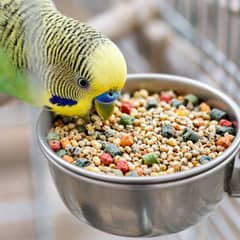
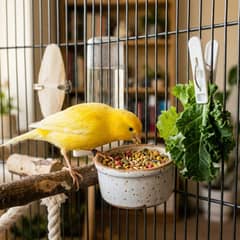
Many canary problems start with a seed-heavy diet. Seed is short on vitamin A and calcium, and a canary eating mostly seed puts on weight. The vitamin A deficiency behind beak and foot crusting, the fatty liver behind a quiet, heavy bird, and the calcium a laying hen runs short of all trace back to the bowl. Lettuce, cucumber and celery are safe but carry almost no vitamin A, so dark greens and orange vegetables do more. Move a seed-fed bird onto pellets slowly, weighing it as you go, never by pulling the seed.
Egg Binding in Hens
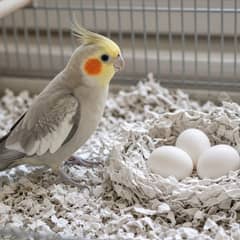
Small birds, canaries among them, have more trouble laying than larger ones. Large eggs, too little calcium, obesity, very young or old hens, and cold weather are the usual contributors. An egg-bound hen is weak, sits low on the perch or on the cage floor, strains as if passing a dropping, and has a swollen belly, sometimes with an egg bulging at the vent. That is an emergency, so call an avian vet at once: a bird this small can die within a few hours of an egg lodging, from the pressure on its circulation and airways.
Keep a single hen from laying again and again by cutting the triggers: long days, unlimited rich food, and a spot that feels like a nest. A hen on a normal day length with calcium from pellets and a cuttlebone has the margin to pass an egg.
When a Canary Needs the Vet
Canaries hide illness well, so treat any change in voice, droppings or activity as a reason to call an avian vet, and sort the signs by how fast they need one.
Learn what normal looks like first. A healthy dropping has three parts: a green or brown coiled stool, a white cap of urates, and a little clear urine around the edge. Colored pellets can tint the stool red or orange.
Same day, as an emergency:
Call the avian vet now for any of these, and get the bird seen the same day.
- Open-mouth breathing, clicking breaths, or the tail bobbing with each breath.
- Sitting on the cage floor, falling off the perch, losing balance, or a tilted head.
- A hen straining with a swollen belly, or one that may be egg bound.
- Bleeding, a broken leg, or any contact with a cat, dog or other predator.
- Possible fumes from overheated nonstick cookware.
- A bird that sits fluffed and still, or has not eaten since morning.
Within about a day:
- Fluffed feathers and more sleep than usual in a bird that is still eating and moving.
- A male that stops singing outside the molt.
- Droppings that change, or weight falling on the scale.
- Crusts on the legs, lumps on the head or feet, or vomiting.
Watch and write it down:
- A quieter song during the summer molt from a bird that is eating, active and sleek. Song often drops while new feathers grow in. Move it up a tier if fluffing or a poor appetite joins it.
- One odd dropping from a bird that is otherwise normal. Check the next few.
While You Wait for the Vet
- Call the avian vet first and say what you are seeing.
- If a broken feather or nail is bleeding, press styptic powder, cornstarch or flour onto the bleeding end, never into an open feather socket. Call the vet if it is still bleeding after 2 to 3 minutes, and do not pull a blood feather yourself.
- Keep the bird quiet and handle it as little as possible: breathing trouble gets worse with handling.
- Keep it at the warm end of its normal range, about 75 to 80°F, unless it may be overheated. Move the cage to the warmest draft-free room and drape a light cover over part of it to hold the warmth.
- Set food and water within easy reach, with a low perch for a weak bird.
- To get the bird into the carrier, dim the lights, take the perches out of the cage and lift it gently in a small towel, with no pressure on its chest.
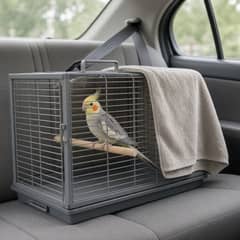
- Take it in a covered travel carrier, out of drafts on the way. Lay a soft towel on its floor and take out any toys or swings, which can hurt a bird on a rough ride.
- Bring the cage paper with the latest droppings, since tests on them are often the vet's first step.
- Give no human medicine or leftover antibiotics.
Checkups
Find an avian vet, a veterinarian who treats birds, before you need one. Have that vet examine a new canary soon after it comes home. After that, book checkups twice a year where you can manage it, each with an exam, grooming and any lab tests the vet advises. Nails need regular trims. A healthy canary's beak should not need trimming, so ask the vet about a beak that overgrows. Do not have a canary's wings clipped: flight is its exercise.
Song, Air and the Food Dish
Listen to the song, keep the air clean and the cage dry, and build the diet on pellets. Weigh the bird weekly, quarantine every new bird, and take a canary that goes quiet or fluffed to an avian vet instead of waiting it out.
Sources & Further Reading
Last reviewed 24 Sep 2026 · 4 sources
- Merck Veterinary Manual: Parasitic Diseases of Pet Birds; Viral Diseases of Pet Birds; Nutritional Diseases of Pet Birds; Illness in Pet Birds; Mites of Poultry (Dermanyssus gallinae, the red mite)
- VCA Animal Hospitals: Canaries, General Care; Egg Binding in Birds; Nursing Care for Sick Pet Birds; Birds, Abnormal Droppings; Blood Feathers in Birds; Transporting Your Bird
- LafeberVet: Basic Information Sheet, Canary
- Bird Vet Melbourne: Caring for Canaries

Log weight, feeding and meds, so your vet has the full picture. The Universal Pet Kit has it, among 19 forms for any pet that you can type into or print.
Frequently Asked Questions
What are air-sac mites in canaries?
A parasite that lives in the windpipe, lungs and air sacs. A heavy load brings clicking breaths, sneezing and a bobbing tail, and a male may stop singing. It spreads from bird to bird and needs an avian vet.
What is tassel foot in a canary?
Thick, overgrown scale on the legs and toes. Mites cause some cases; age, genes and diet cause others. A vet tells them apart under a microscope.
How do I know if my canary has feather or red mites?
Bald patches, and itching you only see at night, since these mites feed after dark and are easy to miss at first. Lethargy with no clear cause that worsens over time can point to anemia from a heavy infestation.
How do I treat mites in a canary's cage?
Treat the bird and the whole environment together: cage, perches, and the area around it. Mites still in the cage reinfest a bird you have already treated.
What does going light mean in a canary?
Weight loss in a bird that is still eating. It has several causes, gastric yeast among them, and droppings tests are the usual first step.
What are the earliest warning signs that a canary is sick?
Going quiet, fluffing up, dull feathers and lethargy. Act on those before any specific sign shows.


Written by Michael Ryan
Mike keeps two rescued bearded dragons, Dex and Cera, and writes the care guides on BeastlyFacts from his own research and mistakes. He is not a veterinarian.
More about Michael Ryan →You May Also Like

Subscribe - it's free
An occasional email when something new is worth your time. No spam.
Health and More