Canary Feeding: A Teaspoon a Day, Mostly Pellets
On This Page▾

A canary is a seed eater by nature and a small one, and both facts shape its feeding. The seed it wants is not a complete diet, and the bird is small enough that a day without food is a crisis. Here is what goes in the dish, how much, what changes for breeding and color birds, and how to read a canary that stops eating.
How Much, and How Often
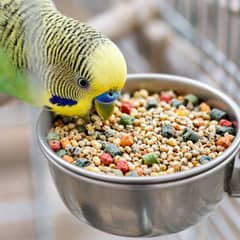
Most canaries do well on one to two teaspoons per bird per day of a pelleted diet combined with a small amount of seed. Put it out fresh each morning in a shallow dish, with produce alongside. Daily intake runs up to about 30 percent of body weight, which for a 12 to 30 gram bird is a small, measured amount rather than a permanently heaped dish. Throw out yesterday's leftover pellets before you refill.
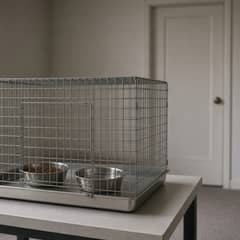
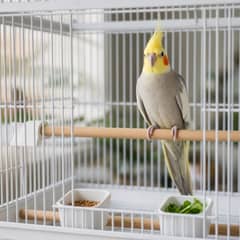
Give dry food, fresh food and water their own dishes. With more than one canary in the cage, give each bird its own dish, or use one wide enough for several to eat at once, so a dominant bird cannot keep the others off the food.
| Component | Share of the diet | Notes |
|---|---|---|
| Pellets formulated for canaries | Most of it: 60 to 80 percent, about three quarters as the target | Nutritionally complete; the seed bird moves over gradually |
| Seed and treats | A small part, 10 percent or less | Fat for condition, short on nearly everything else |
| Fresh vegetables, greens and fruit | About 20 to 25 percent | Chopped small, out within a couple of hours |
| Egg food, cooked egg, or insects | Two or three times a week for breeding and laying birds | Protein, most needed by birds not on pellets |
| Cuttlebone | Always in the cage | Calcium and trace minerals |
What Canaries Eat
Pellets, as the base. A nutritionally complete pellet formulated for canaries, such as a canary-sized daily diet pellet, is the only food in the cage that is balanced on its own. Everything else is a supplement to it. Formulas made for breeding, molting and some diseases exist too, for a bird your vet thinks needs one.
Seed, as a small part. Keep seed small, and never make it the only food. An all-seed diet runs short of vitamins, minerals and protein. It is deficient in vitamin A, carries too little calcium for its phosphorus, and lacks essential amino acids. Sunflower seed in particular is low in calcium and high in fat. A canary given a seed mix picks out one or two favorites, often millet first, and leaves the rest. Seed does carry the fat a bird uses for condition and for the hormone changes of the breeding season, which is why a little stays in the dish instead of none. Skip the honey sticks and the seed blends sold as molting, song or conditioning food: they are more seed. A sprig of spray millet is a treat a few times a week at most.
Produce, about a quarter. Offer bell peppers, leafy greens, carrots and their tops, squash, sweet potato, pumpkin, green beans, broccoli and small amounts of fruit. Wash them, chop them into tiny pieces and serve them with the skin on. Give dark greens such as kale, parsley, endive and red leaf lettuce several times a week. Lettuce, cucumber and celery are safe but carry little nutrition and almost no vitamin A, so they are filler, not the vegetable of the day. If the bird eats only one favorite, cut back on that one so it tries the others. Take uneaten produce out within a couple of hours, sooner on a warm day, before it spoils.
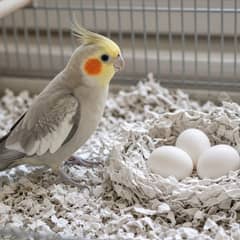
Egg food for breeding birds. A hen laying eggs, and a pair raising chicks, need more protein. Give a commercial egg food, small amounts of cooked egg, or live or freeze-dried insects such as crickets, mealworms and waxworms two or three times a week through those periods. They matter most for a bird that is not on a full pellet diet. Many keepers give egg food through the summer molt as well, while a whole coat of new feathers grows in.
Cuttlebone, and no grit. A cuttlebone in the cage covers calcium and trace minerals. Grit and gravel should not be offered: a canary removes the hull from a seed before eating it, so it has nothing to grind, and some birds overeat grit and block the gut.
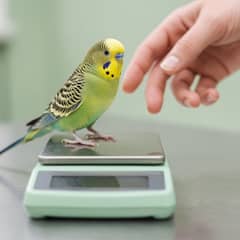
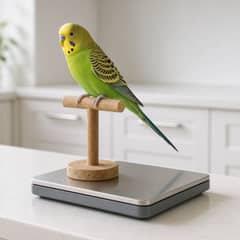
Weigh the bird once a week and write the number down. Obesity in a pet bird is defined as 20 percent over ideal weight, and an obese bird is prone to fatty liver disease and heart disease. Ask the vet at a checkup what your own bird's healthy weight is, and measure the weekly number against it. A canary on a seed-heavy diet gets there without looking fat under its feathers, and a perch scale is the only way to see it.
Moving a Seed Canary to Pellets
Give a new canary the food it was eating before for its first couple of weeks, and start the switch only once it has settled in.
A canary raised on seed may not recognize a pellet as food, and a hungry canary is in trouble within a day, so the switch is slow and weighed. Young birds convert most easily. An adult that has eaten seed for years can take weeks or months to convert to pellets.
- Weigh the bird and write the number down before you start.
- Put pellets in their own dish first thing in the morning, when the bird is hungriest. Your vet may suggest mixing them with the familiar food instead.
- Keep enough of the old food in the cage that the bird never goes hungry while it learns.
- Weigh it every day during the switch.
- Call the vet if it eats less or its weight drops.
- Cut the seed back only once the bird is plainly eating pellets.
Color, Supplements and Water
Red factor canaries. A red factor needs a color food or supplement rich in carotenoids, the red and orange plant pigments, to keep its color, given especially through the molt. Red and orange foods such as carrots, beets, sweet potato and pitted cherries help as well. The color goes only into feathers growing at the time, so a color food will not change the feathers already on the bird.
White canaries need more vitamin A in the diet than other colors, which makes the pellet base and the dark greens matter more.
Supplements. A canary eating 75 to 80 percent pellets needs none. A laying hen may need extra calcium, and that is the vet's call, as are any vitamin or omega supplements. A powder sprinkled on seed is wasted, because it falls off with the hull, so a supplement the vet does advise goes on moist food.
Water. Keep fresh water in the cage at all times, changed every day, and wash every dish daily in hot, soapy water. If your tap water is poor, use bottled water. A canary deprived of water can die within two days.
Foods to Avoid
Never offer:
- Avocado, which is toxic to birds.
- Chocolate, caffeine or alcohol, all of which can kill a bird this size.
- Fruit pits, or seeds from apples, cherries and the like.
- Cheese, cookies, crackers, candy or processed food high in fat, sugar or salt.
- Grit.
- Food from your mouth or plate, since the germs in a human mouth can make a bird ill.
A little cooked vegetable from the family dinner is fine if it has no butter, salt or oil. Do not feed an all-seed diet either. It is not a poison, but it is the deficiency behind most of what an avian vet sees in a canary.
When to Worry
Act the same day. A canary weighs about an ounce or less and burns through its reserve in hours. Take a bird that has not eaten since morning, or that sits fluffed and still beside its dish, to an avian vet the same day instead of watching it overnight, and keep it warm and quiet on the way.
Why Canaries Stop Eating
The molt. A molting canary is tired, quiet and sometimes eats less, and it needs a full, varied dish, not a reduced diet. A bird on seed alone molts poorly: a healthy molt comes from a pellet diet with a little seed and fresh greens. Learn what a normal molt looks like, so you can tell it from the plucking and disease that mimic it.
A new food. A canary that does not recognize a new pellet as food will go hungry beside a full dish. That is the reason every conversion is gradual and weighed.
It is sick. A canary that sits fluffed and low, sleeps by day, or breathes with its tail bobbing has stopped eating because it is ill, and it needs an avian vet the same day. A bobbing tail or an open beak is an emergency to call about at once. Birds hide illness until it is advanced, and a canary that is visibly unwell has been unwell for a while.
It is stressed. A new cage, a new room, a cat, a draft, or lights that stay on past bedtime can all put a canary off its food. Keep a regular day and night schedule that follows the seasons, which governs a canary's hormones and appetite.
It is hot. Canaries are comfortable between about 65 and 80°F. A bird panting in a hot room stops eating, so move the cage somewhere cooler first. If it is still breathing with its beak open once the room has cooled, call an avian vet now.
A Small Diet for a Small Bird
Feed a teaspoon or two of mostly pellets, a little seed and a chopped vegetable, keep a cuttlebone in the cage, and add egg food when a hen is laying. It is a small diet for a small bird, and the discipline is in the pellet share.
Sources & Further Reading
Last reviewed 16 Sep 2026 · 5 sources
- VCA Animal Hospitals: Canaries, Feeding; Taming, Training and Talking to Birds
- PetMD: Canary Care Sheet (Maria Zayas, DVM)
- LafeberVet: Basic Information Sheet, Canary
- Merck Veterinary Manual: Nutritional Diseases of Pet Birds
- Bird Vet Melbourne: Caring for Canaries
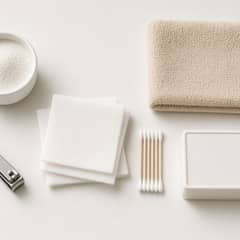
A routine chart and equipment log you can fill in for your own setup. The Universal Pet Kit has it, among 19 forms for any pet that you can type into or print.
Frequently Asked Questions
How much should a canary eat a day?
About one to two teaspoons per bird per day of a pelleted diet with a small amount of seed, plus a little fresh produce. For a bird that weighs 12 to 30 grams, that is a measured amount put out each morning, not a permanently heaped dish.
Should a canary eat seed or pellets?
Mostly pellets: 60 to 80 percent of the diet, with about three quarters the practical target, and seed a small part, never the whole diet. An all-seed diet is short on vitamins, minerals, protein and calcium, and vitamin A deficiency is the disease that follows it. Move a seed bird over gradually, never by pulling the seed.
Does a canary need grit?
No. Canaries hull their seeds before eating them, so they do not need grit to grind them, and grit should not be offered. A cuttlebone is the mineral a canary does need, for calcium and trace minerals.
Why has my canary stopped eating?
A canary that stops eating is a same-day emergency, because a bird this small has no reserve. A new pellet may not be recognized as food, heat and stress can put it off, and a fluffed, quiet bird sitting low is sick. Any canary that has not eaten since morning sees an avian vet the same day.
Do red factor canaries need special food?
Yes, to keep the red. They need a color food or supplement rich in carotenoids, especially through the molt. It colors the new feathers only, not the ones already grown.

Written by Michael Ryan
Mike keeps two rescued bearded dragons, Dex and Cera, and writes the care guides on BeastlyFacts from his own research and mistakes. He is not a veterinarian.
More about Michael Ryan →You May Also Like
Subscribe - it's free
An occasional email when something new is worth your time. No spam.
Health and More