Boa Constrictor Feeding: Schedule, Prey Size, and Why Adults Eat So Rarely
On This Page▾

Boa constrictor feeding is simple in principle, whole prey covers this species' nutritional needs completely, the skill is getting size and frequency right as your snake matures.
The Staple Diet
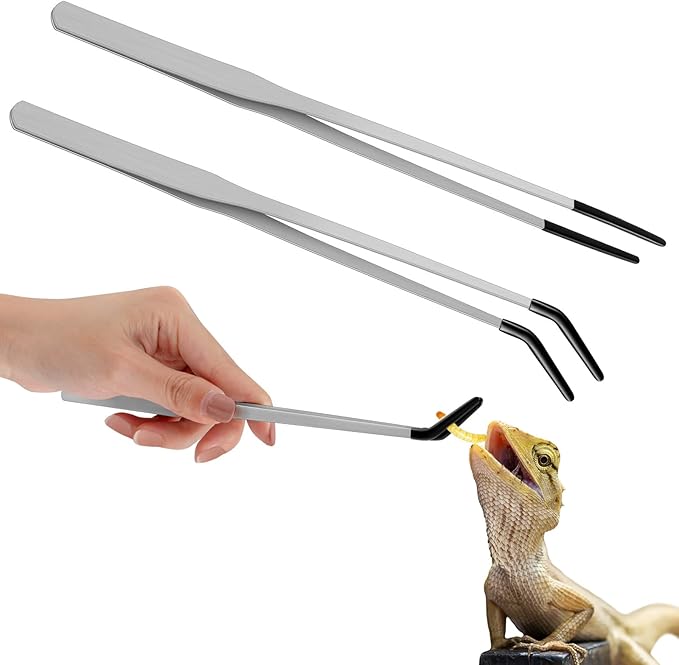
Boas eat whole, frozen-thawed rodents, mice for younger animals, progressing to rats as they grow. This isn't a simplified diet, it's a complete one, whole prey delivers the protein, fat, calcium, and vitamins a boa actually needs in the right balance, without requiring you to piece together a varied menu the way you would for an omnivore. Always use frozen-thawed rather than live prey, and offer it with feeding tongs rather than your hand.
Feeding Frequency and Portions
Prey size is the rule that matters most here: offer prey no wider than your boa's body at its widest point. A snake with a 1.5 inch midsection should get prey no wider than 1.5 inches, not bigger just because it looks like it could handle more. Frequency drops substantially as your boa matures:
- Babies (0 to 6 months): every 5 to 7 days, starting on pinkie mice.
- Juveniles (6 to 12 months): every 7 to 10 days, moving to fuzzies and hoppers.
- Adults (3-plus years): every 10 to 14 days, extending to every 2 to 4 weeks for mature animals, mature females roughly every 2 to 3 weeks, adult males every 3 to 4 weeks.
After a properly sized meal, you should see only a subtle lump, not a dramatic bulge. That every-2-to-4-weeks adult interval surprises a lot of first-time keepers who assume more frequent feeding is better care. It isn't, for this species it's the opposite.
Foods to Avoid
Prey that's wider than your snake's body is the main thing to avoid, it's the leading cause of regurgitation, a genuinely traumatic event that can injure or kill a boa. Skip live rodents entirely, a live rat or mouse can bite and cause real injury to your snake, and skip wild-caught rodents too, given the parasite and toxin risk. Never feed by hand, this risks a feeding-response bite meant for the prey.
Supplementation
Generally none needed. Whole prey is nutritionally complete on its own. Some keepers occasionally dust prey with a light calcium or vitamin supplement, since commercially bred feeder rodents can run slightly low in certain nutrients like vitamin D, but this is a genuine option, not a requirement.
The Mistakes That Matter
Overfeeding is the single biggest issue with this species today, feeding too often or with prey that's too large produces obese boas with shortened lifespans. The second mistake is handling too soon after a meal, disturbance during digestion is a real trigger for regurgitation. And oversized prey remains a genuine, avoidable cause of regurgitation and internal injury on its own.
This species' feeding schedule stretches out further than most new keepers expect. The health issues guide has what regurgitation and the other feeding-related problems look like.
Sources & Further Reading
Last reviewed 8 Sep 2026 · 1 source
- PetMD: Pet Boa Constrictor Care Sheet
- Merck Veterinary Manual: Nutrition in Snakes
- ReptiFiles: What Do Boa Constrictors Eat?
❓ Frequently Asked Questions
What do boa constrictors eat?
Whole rodents, frozen-thawed. Mice for younger animals, rats as they grow. The protein, fat, calcium, and vitamins a boa needs all come in the right balance from whole prey. Use frozen-thawed instead of live, and offer it on feeding tongs rather than your hand.
How big should feeder prey be?
Never wider than the widest part of your boa's body. A 1.5 inch midsection means prey capped at 1.5 inches. Sized right, the meal leaves a subtle lump and not a dramatic bulge.
How often should I feed my boa constrictor?
Every 5 to 7 days for babies under 6 months, every 7 to 10 days from 6 to 12 months. From 3 years on it stretches to every 10 to 14 days, then every 2 to 4 weeks: mature females about every 2 to 3 weeks, adult males every 3 to 4 weeks.
Why shouldn't I feed my boa live rodents?
A live rat or mouse can bite and injure your snake. Frozen-thawed prey removes that risk, and wild-caught rodents are out too, given the parasite and toxin risk.
How soon can I handle my boa after feeding?
Wait at least 48 hours after feeding before handling. Disturbance during digestion is a real trigger for regurgitation, a traumatic event that can injure or kill a boa.
Do boa constrictors need vitamin or calcium supplements?
Generally not. Whole prey covers it on its own. A light calcium or vitamin dusting is something some keepers do, since commercially bred feeder rodents can run slightly low in certain nutrients, but it stays optional.
📰 More on the Boa Constrictor
📘 Boa Constrictor care guide
🐍 How Much Does a Boa Constrictor Really Cost?
🐍 How to Handle a Boa Constrictor Safely: Size Changes Everything
🐍 Common Boa Constrictor Health Issues
🐍 Boa Constrictor Enclosure Setup: Sizing for the Adult It Will Become
🐍 Boa Enrichment: A Big Snake in a Box Is Still a Snake in a Box
🛒 Recommended Gear
As an Amazon Associate, we earn from qualifying purchases through the links above - at no extra cost to you.
Written by Michael Ryan
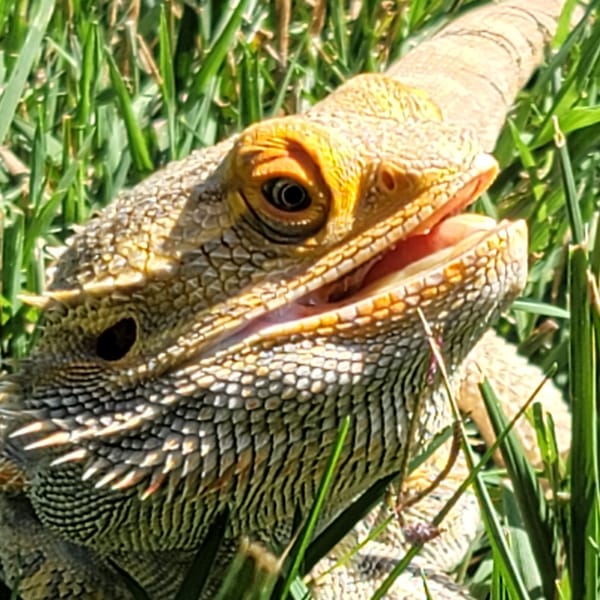
Mike keeps two rescued bearded dragons, Dex and Cera, and writes the care guides on BeastlyFacts from his own research and mistakes. He is not a veterinarian.
More about Michael Ryan →Comments
No comments yet - be the first!