Boa Constrictor
Boa spp.
On This Page▾
🌍 Overview
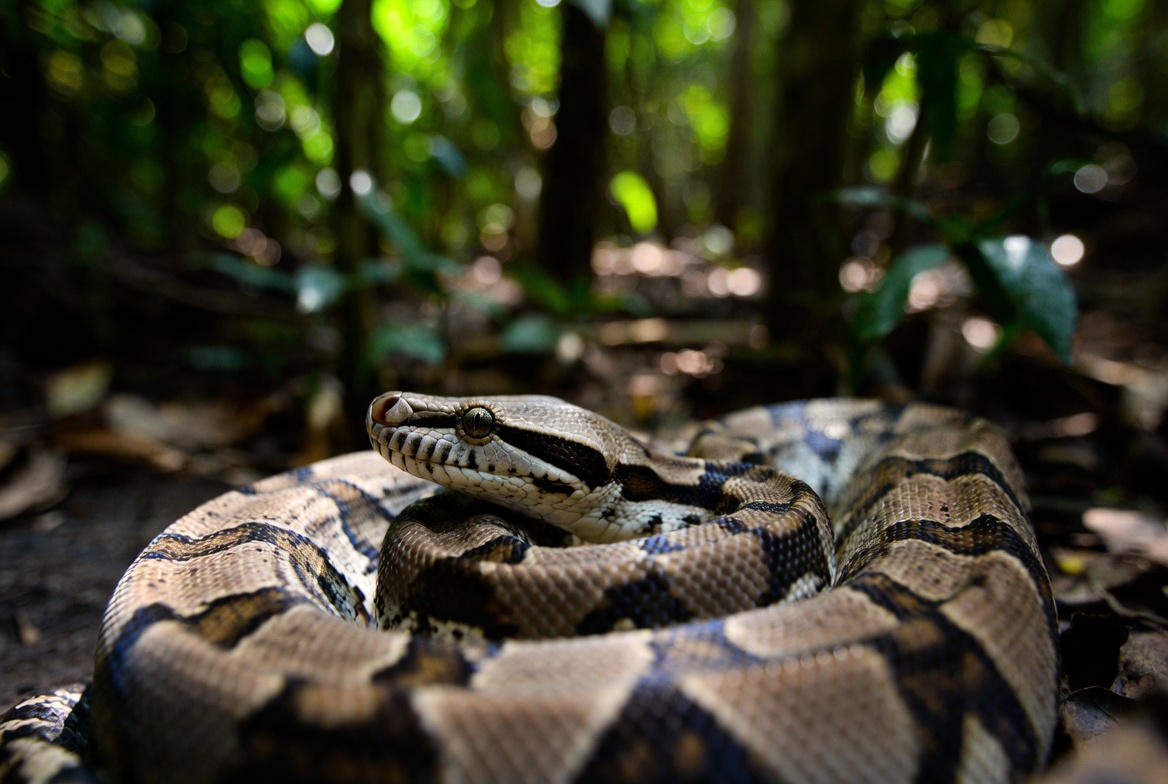
Boa constrictors are large, heavy-bodied snakes distributed from Mexico through Central and South America to Caribbean island populations. As ambush predators they use constriction to subdue prey - squeezing until the prey's circulatory system stops, rather than suffocating it as once thought. They are viviparous (live-bearing), with females giving birth to litters of up to 60 live young.
📋 Quick Facts
Native Range
Mexico, Central America, South America, and Caribbean islands
Natural Habitat
Tropical rainforest, dry forest, scrubland, and savanna
Adult Size
5-13 feet (1.5-4 m); females significantly larger
Wild Diet
Rodents, birds, bats, lizards, and small mammals
Wild Lifespan
20-30 years
Conservation Status
Least Concern (IUCN); Appendix II (CITES)
📜 History
Boa constrictors have been listed on CITES Appendix II since February 1977, so international trade runs on export permits rather than a ban. They make up about 6 percent of Appendix II snake exports, well behind the ball python's 80 percent. The trade has done measurable damage in places: the boas of the Cayos Cochinos islands off Honduras, prized for pink coloring and a smaller, calmer build, were collected heavily between 1979 and 1993, and a five-day herpetological survey in the early 1990s found none at all, leading researchers to suspect the island population had been wiped out. Captive breeding now supplies most of the pet trade, and that case is the clearest argument for why it should.
⚖️ Compare
Boa Constrictor
Human
Adult Size
5-13 feet (1.5-4 m); females significantly larger
5-6 feet (150-185 cm); ~135-200 lbs
Wild Lifespan
20-30 years
~73 years (global average)
Wild Diet
Rodents, birds, bats, lizards, and small mammals
Omnivorous - eats just about anything
Native Range
Mexico, Central America, South America, and Caribbean islands
Global - originated in Africa roughly 300,000 years ago
Natural Habitat
Tropical rainforest, dry forest, scrubland, and savanna
Everywhere from arctic tundra to tropical megacities
Conservation Status
Least Concern (IUCN); Appendix II (CITES)
Least Concern (8+ billion and counting)
🧠 Test Yourself
What's the Boa Constrictor's native range?
🤩 Fun Facts
🐍 Not a Suffocation Squeeze
Boa constrictors don't kill by suffocating their prey. A study by biologist Scott Boback and colleagues found that constriction cuts off blood flow so fast that a prey animal's blood pressure crashes and it faints within seconds, well before it would ever suffocate. They also still carry tiny vestigial hind-leg spurs, leftover bones from ancestors that once walked on legs!
📖 Care Guide
Boa Constrictor Care Guide
The powerful, graceful heavyweight of the pet snake world!
⚖️ Where it is legal
8 US jurisdictions restrict this species, from outright bans to permits. Every one quotes the rule it comes from.
Subscribe - it's free
New animal facts and care guides straight to your inbox. No spam. 🐾
📰 Deep Dive
🐍 How Much Does a Boa Constrictor Really Cost?
🐍 How to Handle a Boa Constrictor Safely: Size Changes Everything
🐍 Common Boa Constrictor Health Issues
🐍 Boa Constrictor Enclosure Setup: Sizing for the Adult It Will Become
🐍 Boa Constrictor Feeding: Schedule, Prey Size, and Why Adults Eat So Rarely
🐍 Boa Enrichment: A Big Snake in a Box Is Still a Snake in a Box
🩺 Health and More
🔌 Reptile Emergency Plan: Power Outages, Travel, and Pet Sitters
💧 Reading Reptile Stool, Urates, and Hydration: A Daily Health Check
🧼 Salmonella and Reptile Hygiene: The Rules That Actually Matter
🌡️ Reptile Heating and Thermostats: Preventing Burns
🧫 Reptile Quarantine: Why New Snakes and Lizards Need Months, Not Weeks
🐍 Sexing, Growth, and Body Condition in Pet Snakes
🤓 Did You Know?
Boa constrictors can sense the heartbeat of their prey using heat-sensitive pits. They literally feel your pulse!
Explore More