African Grey Parrot Feeding: Schedule, Diet, and Why They Stop Eating
On This Page▾

African grey parrots have a genuine, well-documented vulnerability that makes getting their diet right more consequential than it is for most pet birds: this species is specifically prone to calcium deficiency in a way other large parrots aren't.
Feeding Schedule
There's no strict meal schedule for an African grey the way there is for a dog. Offer fresh food daily and keep an eye on how much your grey eats rather than just how much you put in the bowl. Fresh water needs to be available at all times. Parrots generally don't overeat when their nutritional needs are being met, the more common problem is owners under-delivering nutrition through an unbalanced mix rather than birds overeating a balanced one.
One detail worth knowing: African greys do not need grit or gravel the way some other birds might seem to, they already hull seeds before swallowing them, and offering grit risks a genuinely dangerous digestive blockage.
What African Grey Parrots Eat
Pelleted food should form the base of the diet, VCA Animal Hospitals recommends pellets make up 75 to 80% of what your grey eats daily. Fresh vegetables fill out most of the rest, at roughly 20 to 25% of total intake, with fruit capped at 10% or less, it's easy to over-rely on the sweeter, more appealing option. Good vegetable choices include dark leafy greens, broccoli, squash, and peppers. A couple of tree nuts, almonds, walnuts, or Brazil nuts, make a fine daily treat and double as enrichment.
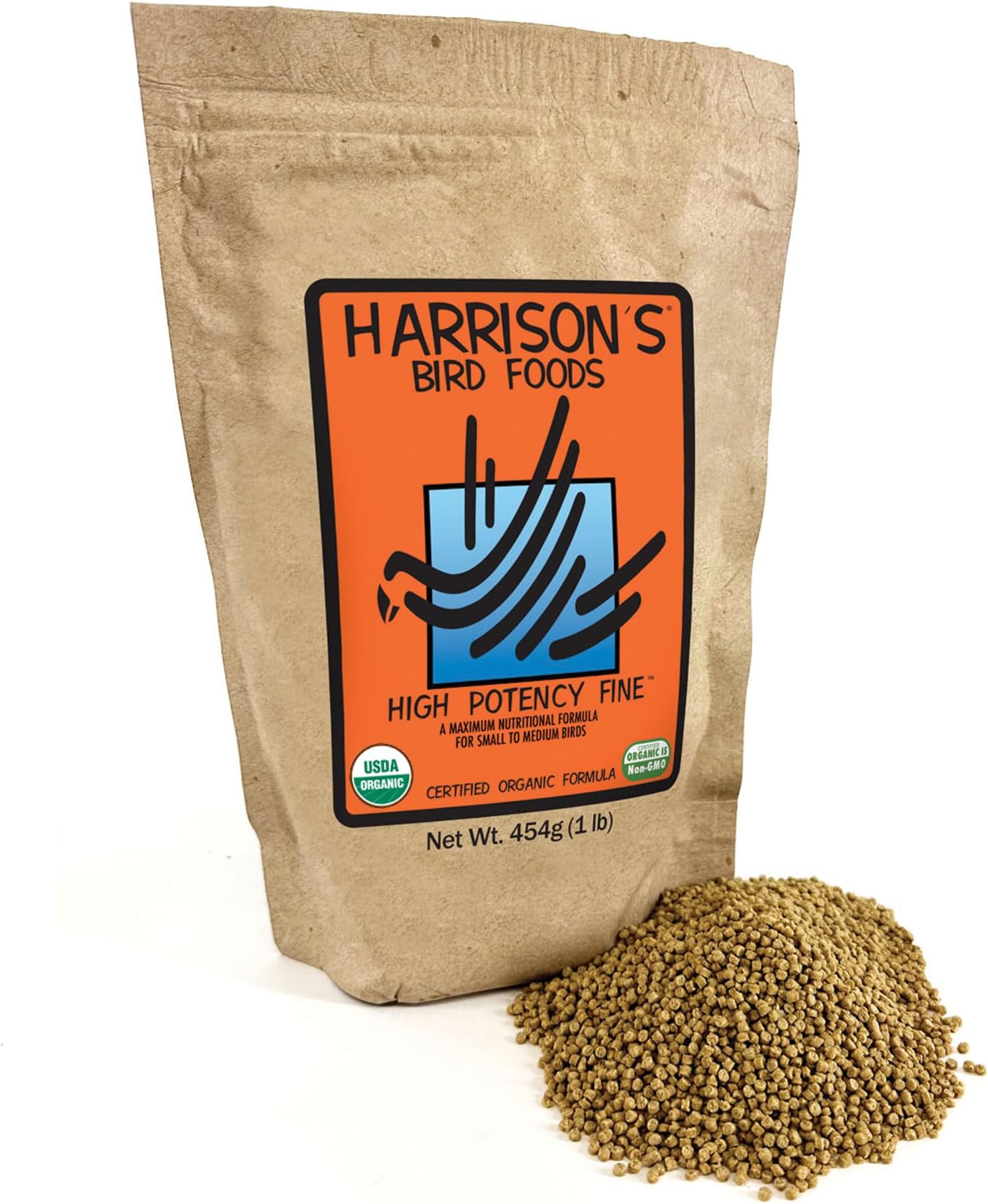
If your grey is eating a complete pelleted diet, additional vitamin and mineral supplements generally aren't necessary, and adding them on top of a complete diet can actually cause its own problems. Supplements matter most for a bird still transitioning off an all-seed diet (our guide to converting a seed-eating bird to pellets covers that switch), and any supplementation decision is worth making with your avian vet rather than guessing, especially given how specifically vulnerable this species is to calcium issues.
Foods to Avoid
Avocado, chocolate, caffeine, alcohol, and xylitol are all toxic and can be fatal, keep these away from your bird entirely. Fruit pits and apple seeds contain compounds that release cyanide, and onion and garlic can cause a serious blood disorder in birds.
Beyond acute toxins, the biggest long-term risk, and arguably the single most damaging feeding mistake with this species, is an all-seed diet. Commercial seed mixes run high in fat and genuinely low in calcium and vitamin A, and birds will selectively pick out their favorite fatty seeds even from a mix that looks balanced on paper, worsening the imbalance further. In African greys specifically, this can progress to hypocalcemia, dangerously low blood calcium that shows up as weakness, tremors, and in serious cases, seizures, a documented, clinically recognized emergency in this exact species. The second common mistake is selective feeding, a grey picking out its favorite nuts and seeds from an otherwise varied bowl, which quietly recreates the same nutrient gaps a pure seed diet would cause.
Why African Grey Parrots Stop Eating
- Calcium imbalance. Loss of appetite and vomiting can both indicate low blood calcium, especially in a grey fed a seed-heavy diet.
- Heat stress. Flagged alongside calcium imbalance as a direct cause of appetite loss and vomiting in this species.
- Illness or infection. Psittacosis, a fungal or bacterial infection, or general poor nutrition can all suppress appetite, often alongside other symptoms like discharge or abnormal droppings.
- Toxin or heavy metal exposure. Lead or zinc poisoning can cause lethargy, weakness, and appetite loss alongside more severe neurological symptoms.
- Egg-related problems. Reproductive issues in hens are a documented cause of reduced activity and appetite.
- Stress. Environmental changes, a new cage, or general disruption can cause a temporary dip.
When to Worry
African greys hide illness well, which is exactly why a quiet, fluffed, weak, or not-eating bird can decline fast. Call an avian vet the same day for any clear, noticeable drop in appetite or activity rather than waiting to see if it resolves on its own. Seek emergency care immediately for breathing hard, sitting on the cage floor, tremors or seizures, vomiting, or lime-green or yellow droppings alongside reduced eating.
If you're weighing this species against a smaller parrot, our Cockatiel feeding guide covers a genuinely different diet-risk profile.
Sources & Further Reading
Last reviewed 8 Sep 2026 · 2 sources
- VCA Animal Hospitals: Feeding African Grey Parrots
- Kirchgessner, M., et al. (2012). "Hypocalcemic-Induced Seizures in African Grey Parrots." Journal of Avian Medicine and Surgery, 26(1), 17-21.
- SpectrumCare: African Grey Parrot Lethargy, Causes, Warning Signs & When to Call an Avian Vet
❓ Frequently Asked Questions
What should make up most of an African grey's diet?
Pellets, at 75 to 80% of daily intake per VCA Animal Hospitals. Fresh vegetables make up most of the remaining 20 to 25%, with fruit held to 10% or less. Dark leafy greens, broccoli, squash, and peppers are good choices.
How often should I feed my African grey parrot?
There's no strict meal schedule. Offer fresh food daily and keep an eye on how much your grey eats. Fresh water needs to be available at all times, and pulling uneaten fresh food within a couple of hours prevents spoilage.
Do African grey parrots need grit?
No. African greys hull seeds before swallowing them, so they don't need grit or gravel the way some other birds might seem to. Offering grit risks a dangerous digestive blockage.
What foods are toxic to African grey parrots?
Avocado, chocolate, caffeine, alcohol, and xylitol are all toxic and can be fatal. Fruit pits and apple seeds contain cyanide-releasing compounds, and onion and garlic can cause a serious blood disorder in birds.
Why is diet so important for preventing health problems in African greys specifically?
This species is unusually prone to hypocalcemia, dangerously low blood calcium, in a way other large parrots aren't. An all-seed diet is the most common path there, seed mixes are high in fat but low in calcium and vitamin A, and birds selectively pick their favorite fatty seeds even from a mix that looks balanced on paper.
Why has my African grey stopped eating?
Calcium imbalance and heat stress are both flagged as causes of appetite loss and vomiting in this species. Illness, toxin or heavy metal exposure, egg-related problems, and general stress are other documented causes. Because African greys hide illness well, treat any noticeable drop in appetite or activity as a same-day concern rather than something to watch for a few days.
📰 More on the African Grey Parrot
📘 African Grey Parrot care guide
🦜 How Much Does an African Grey Parrot Really Cost?
🦜 How to Handle an African Grey Parrot
🦜 Common African Grey Parrot Health Issues and What Causes Them
🦜 African Grey Parrot Cage Setup: Size, Placement, and Enrichment Done Right
🦜 African Grey Enrichment: Foraging Is the One With Real Evidence
🛒 Recommended Gear
As an Amazon Associate, we earn from qualifying purchases through the links above - at no extra cost to you.
Written by Michael Ryan
Mike keeps two rescued bearded dragons, Dex and Cera, and writes the care guides on BeastlyFacts from his own research and mistakes. He is not a veterinarian.
More about Michael Ryan →Comments
No comments yet - be the first!