The Goldfish Bowl Myth: What the Research Actually Shows
On This Page▾

Two myths keep the goldfish bowl alive: that goldfish "stay small" to match their container, and that a 3-second memory means the small space doesn't bother them anyway. Neither one holds up, and understanding why explains a lot about how goldfish actually work as animals.
Myth 1: Goldfish Grow to Fit Their Tank
This gets repeated as if it's a convenient design feature. It isn't. What's actually happening is a stress response called stunting - a combination of poor water quality, chronic ammonia exposure, and inadequate swimming space that suppresses growth hormone production. A stunted goldfish isn't a small, content goldfish. It's a goldfish whose organs and skeleton frequently keep developing internally even as outward body growth is suppressed, which is linked to shortened lifespans and organ failure later on.
Goldfish in outdoor ponds with excellent water quality and no size restriction regularly reach 12 inches or more, and some documented individuals have exceeded 18 inches. The "small goldfish" most people picture is a stunted one, not a naturally small variety.
Myth 2: The 3-Second Memory
This one is almost the opposite problem - it's used to argue that goldfish don't notice or mind a boring, cramped environment. Research on goldfish cognition shows the opposite: they form associative memories that last months, can be trained to navigate mazes and push levers for food, and reportedly recognize their owner's routines. An animal capable of that level of learning is also capable of experiencing a barren, undersized environment as genuinely unstimulating.
Actual Space Requirements
| Goldfish Type | Adult Size | Minimum for One | Better Setup |
|---|---|---|---|
| Fancy (Oranda, Ranchu, etc.) | 6-8 inches | 20 gallons | 29+ gallons, +10 gal per additional fish |
| Common / Comet | 10-14+ inches | 55 gallons | Outdoor pond, hundreds of gallons |
| Shubunkin | 10-12 inches | 40 gallons | 55+ gallons or pond |
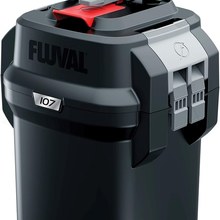
These numbers assume strong filtration. Goldfish are unusually heavy waste producers for their size, so even a tank that's technically "big enough" by volume can still develop dangerous ammonia levels without a filter rated well above the tank's actual size.
What About "Self-Cleaning" Bowl Kits?
A newer variation on the same myth is the self-cleaning bowl or small aquaponics kit, often marketed with a plant growing out of the top and language suggesting the plant filters the water for the fish. In practice, a handful of plant roots can't process the ammonia load a goldfish produces, and these kits still lack the water volume and biological filtration a goldfish actually needs. The marketing changed; the underlying problem - not enough water, not enough filtration - didn't.
Why the Myth Persists
Bowls are cheap, decorative, and don't require a filter or heater - so there's a real commercial incentive for the myth to keep circulating. Goldfish are also unusually tolerant of poor conditions compared to many fish, which means a bowl-kept goldfish often survives for months or a couple of years rather than dying immediately, making the setup look sustainable when it's actually just a slow decline.
The Fix Is Simple
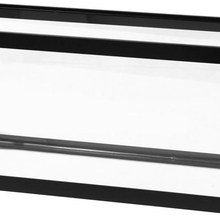
None of this requires exotic equipment. A properly sized tank, a filter rated for that volume (or larger), and consistent water changes fixes the underlying issue directly. A goldfish given real space and clean water isn't just avoiding stunting - it also grows to reveal color patterns, fin development, and size that a bowl-kept fish never gets the chance to show.
The nitrogen cycle driving all of this is the same one in the betta fish water parameters guide: different species, same underlying chemistry. If a pond-sized commitment appeals to you, koi are effectively the outdoor-pond-scale cousin of the common goldfish.
Sources & Further Reading
❓ Frequently Asked Questions
Can a goldfish live in a bowl even temporarily, like during a tank cycle?
A few days in an emergency (like transporting the fish) is different from ongoing housing, but a bowl should never be the actual plan. Without filtration, ammonia builds up within a day or two even in a large bowl, so any temporary holding container still needs partial water changes every day.
How do I know if my current goldfish tank is too small?
Test the water. If ammonia or nitrite ever reads above zero between water changes, or if you're doing water changes more than twice a week just to keep the fish alive, the tank is undersized for the bioload it's carrying - regardless of what the fish looks like.
Do goldfish need a filter, or is frequent water changing enough?
A filter is not optional. Manual water changes alone can dilute ammonia, but they can't replace the beneficial bacteria colony that continuously processes waste between changes. Without a filter, water quality swings dramatically between change days even with a diligent schedule.
Can I keep a goldfish and a betta together?
Not recommended. Goldfish need cooler water (65-75°F) than bettas (78-80°F), and goldfish are voracious fin-nippers that will target a betta's long fins. The temperature mismatch alone makes this pairing a poor fit for either species.
What's the real minimum tank size for two goldfish?
For two fancy goldfish, aim for at least 30 gallons (the 20-gallon single-fish minimum plus 10 gallons for the second fish), with strong filtration rated above that volume. Two common or comet goldfish need a pond or a tank well over 60 gallons given their adult size.
📰 More on the Goldfish
📘 Goldfish care guide
🐟 How Much Does a Goldfish Really Cost?
🐟 How to "Handle" a Goldfish (Net and Cup, Not Hands)
🐟 Common Goldfish Health Issues (And What Actually Prevents Them)
🐟 Goldfish Tank Setup: Bigger Than You Think, Filtered More Than You'd Guess
🐠 Goldfish Feeding: Schedule, Diet, and Why They Stop Eating
🛒 Recommended Gear
As an Amazon Associate, we earn from qualifying purchases through the links above - at no extra cost to you.
Written by Michael Ryan
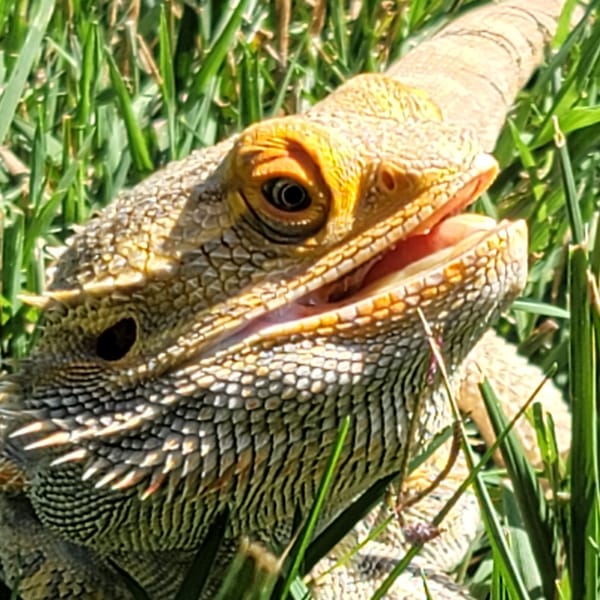
Mike keeps two rescued bearded dragons, Dex and Cera, and writes the care guides on BeastlyFacts from his own research and mistakes. He is not a veterinarian.
More about Michael Ryan →Comments
No comments yet - be the first!