Goldfish Tank Setup: Bigger Than You Think, Filtered More Than You'd Guess
On This Page▾

If you take away one thing from goldfish care, make it this: the bowl is wrong, and the tank you need is bigger than most people expect for what looks like a small, simple fish.
Tank Size
Plan for roughly a 20-gallon-plus tank for a single fancy goldfish, with at least 10 additional gallons for each fish after that. Single-tail varieties, comets and commons, need considerably more room than fancies and are genuinely better suited to a pond than an indoor tank long term, a minimum of about 55 gallons for one, considerably more for each additional fish you keep. Long and wide beats tall, goldfish are horizontal swimmers. Keep the layout simple: open swimming space plus smooth decor that won't trap fancy fins, and skip sharp ornaments and tight plastic plants. Goldfish Tank Size and the Bowl Myth takes the bowl argument to its end, with the ammonia math behind it.
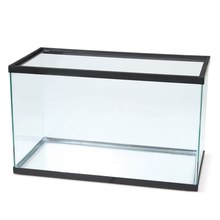
Filtration: Go Bigger Than Feels Necessary
Goldfish are unusually heavy waste producers for their size. Filtration should process your total tank volume at least 4 times an hour, and ideally 5 to 10 times. A canister filter rated for smaller tanks, or a heavier-duty canister rated for larger setups, or a hang-on-back unit with mechanical, biological, and chemical media all work, and running two filters is common practice among experienced keepers rather than overkill. When you clean filter media, rinse it in removed tank water only, never tap water, chlorine and temperature shock kill off the beneficial bacteria living in it.
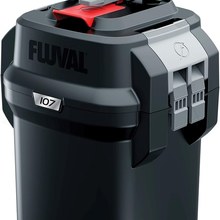
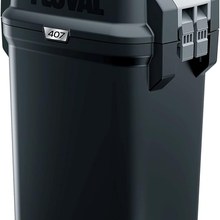
A single goldfish can produce a bio-load comparable to several tropical fish combined, which is exactly why experienced keepers often run two separate filters on a goldfish tank as standard practice, not as backup equipment for when something breaks.
Water
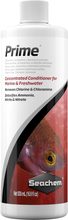
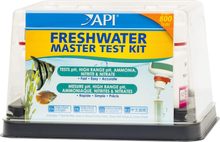
Goldfish are a coldwater species, comfortable in the 65 to 75°F range, no heater strictly required. Keep ammonia and nitrite at 0 and nitrate under roughly 20 ppm. Do weekly water changes of 25 to 50%, and always treat new water with a dechlorinator before it goes in the tank. A test kit is the only reliable way to confirm those numbers rather than guess at them.
Cycling
Cycle the tank before adding any fish. This applies to goldfish as much as any other species, an established beneficial bacteria colony is what actually processes the waste this species produces in such quantity.
Diet
Goldfish are omnivores, and a balanced diet includes quality pellets as the base, vegetables, and occasional protein. Avoid overfeeding, it's one of the most common mistakes and a direct contributor to the waste load your filtration has to handle.
The Bottom Line
None of this is complicated, but it does require accepting that a goldfish needs meaningfully more tank and filtration than its size or price tag suggests. Set it up right from the start and this is a genuinely low-maintenance, long-lived fish, some goldfish live well over a decade in a properly maintained tank.
The Goldfish encyclopedia profile has more on the species itself.
Want this as a printable reference? The Goldfish Care Package turns this guide into a 40-page PDF you can keep by the enclosure, $8.99.
Sources & Further Reading
Last reviewed 20 Jul 2026 · 2 sources
❓ Frequently Asked Questions
What size tank does a goldfish need?
Plan for roughly 20 gallons for a single fancy goldfish, with at least 10 additional gallons for each fish after that. Single-tail varieties like comets and commons need considerably more room, a minimum of about 55 gallons for one and considerably more for each additional fish, and are better suited to a pond than an indoor tank long term.
How much filtration does a goldfish tank need?
Enough to turn over the whole tank at least 4 times an hour, ideally 5 to 10, because goldfish produce far more waste than their size suggests. Two filters on one tank is normal practice here, not overkill.
What water parameters should I keep for goldfish?
Goldfish are a coldwater species, comfortable in the 65 to 75°F range with no heater strictly required. Keep ammonia and nitrite at 0 and nitrate under roughly 20 ppm, and do weekly water changes of 25 to 50%, always treating new water with a dechlorinator first.
What should I feed a goldfish?
Quality pellets as the base, with vegetables and occasional protein. Fancy varieties do better on sinking pellets or gel foods, which reduce the swim bladder issues that can come with their rounder body shape, and keeping portions small holds the waste load down.
📰 More on the Goldfish
🛒 Recommended Gear
As an Amazon Associate, we earn from qualifying purchases through the links above - at no extra cost to you.
Written by Michael Ryan
Mike keeps two rescued bearded dragons, Dex and Cera, and writes the care guides on BeastlyFacts from his own research and mistakes. He is not a veterinarian.
More about Michael Ryan →Comments
No comments yet - be the first!