Common Mourning Gecko Health Issues (Egg-Laying Changes the Picture)
On This Page▾

Mourning geckos are hardy in a properly humid, planted enclosure, but one biological fact shapes its health risks more than anything else: every animal is female, and every mature female lays eggs regularly, with or without a mate present.
Metabolic Bone Disease (MBD)
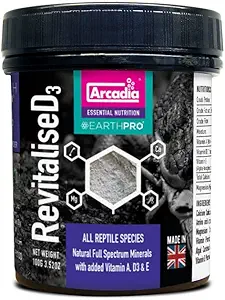
The flagship health issue, driven by calcium or vitamin D3 deficiency, often combined with insufficient UVB. Watch for a kinked or wavy tail, depleted calcium sacs (the two white ovals under the throat), curved limbs, appetite loss, loss of coordination, and in severe cases, seizures.
Mature female mourning geckos lay a clutch of two eggs roughly every 4 to 6 weeks, with or without a male present. That relentless egg-laying schedule is exactly why calcium demand runs so high in this species compared to most other beginner geckos, it's not an occasional breeding event, it's a constant baseline drain.
Early cases are often manageable with corrected UVB and calcium, advanced deformities are permanent, a vet visit is warranted at that point.

Egg-Binding (Dystocia)
Follows directly from the point above. A female that's calcium-depleted or dehydrated can fail to pass her eggs. This is a genuine emergency, not something to wait out at home, untreated dystocia is fatal.
Retained Shed
Caused by low humidity. Shed that doesn't come off cleanly can constrict around the toes or tail tip. Generally manageable at home, raise humidity and provide a moist hide, but see a vet if tissue looks like it's dying or the constriction won't release.

Mouth Rot and Parasites
Mouth rot appears as redness, swelling, or a cottage-cheese-like discharge around the mouth. Parasites cause weight loss and poor appetite despite normal feeding, diagnosed through a fecal exam. Both need a vet.
A General Warning Sign
A visibly thin tail combined with weight loss usually points to an underlying issue, whether that's parasites, disease, or simply insufficient feeding for a colony that's grown larger than you originally planned for.
The Husbandry Connection Worth Remembering
Skipping UVB or calcium and D3 supplementation doesn't just risk MBD in the abstract, it directly raises egg-binding risk in a species that's laying eggs constantly regardless of whether you're trying to breed it. This same principle, that most reptile health problems trace back to husbandry rather than bad luck, holds across beginner geckos generally, and the gargoyle gecko health issues guide shows how it plays out in a species that isn't laying eggs on this same constant schedule.
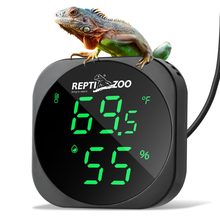
Given how small a mourning gecko is, a thermometer and hygrometer that's actually accurate matters more than usual for catching drift before it becomes a health problem.
Sources & Further Reading
Last reviewed 25 Jul 2026 · 2 sources
❓ Frequently Asked Questions
What is the biggest health risk for a mourning gecko?
Metabolic bone disease from insufficient calcium, vitamin D3, or UVB. It matters more for this species than for most beginner geckos because mature females lay a clutch of two eggs roughly every 4 to 6 weeks, with or without a mate present, which keeps calcium demand constantly high.
What is egg-binding and why is it serious?
Egg-binding, or dystocia, happens when a calcium-depleted or dehydrated female fails to pass her eggs. It's a genuine emergency, not something to wait out at home, untreated dystocia is fatal.
What causes retained shed in mourning geckos?
Low humidity. Shed left behind can tighten around toes or the tail tip. Raising humidity and adding a moist hide usually clears it at home, though a vet is needed if tissue looks like it's dying or the band won't come loose.
What does a thin tail mean on a mourning gecko?
A thin tail with weight loss usually means something underneath, parasites, disease, or a colony that has outgrown the amount of food going in.
Does skipping UVB and calcium matter that much for this species?
Yes, more than for most beginner geckos. Without UVB and calcium with D3, you're not only risking MBD in the abstract, you're raising egg-binding risk in an animal that lays constantly whether or not you breed it.
📰 More on the Mourning Gecko
📘 Mourning Gecko care guide
🦎 How Much Does a Mourning Gecko Really Cost?
🦎 Should You Handle a Mourning Gecko? Realistically, No
🦎 Mourning Gecko Tank Setup: A Small, Humid, Planted Display Vivarium
🦎 Mourning Gecko Feeding: Schedule, Diet, and Why They Stop Eating
🦎 Mourning Gecko Enrichment: The Only One You Should Keep in Groups
🛒 Recommended Gear
As an Amazon Associate, we earn from qualifying purchases through the links above - at no extra cost to you.
Written by Michael Ryan
Mike keeps two rescued bearded dragons, Dex and Cera, and writes the care guides on BeastlyFacts from his own research and mistakes. He is not a veterinarian.
More about Michael Ryan →Comments
No comments yet - be the first!