How Much Does a Fire Skink Really Cost?
On This Page▾

Fire skinks are affordable, and the price gap between captive-bred and wild-caught animals is worth paying attention to for reasons beyond just cost.
The skink: $25 to $40, more for captive-bred
Common wild-caught or imported fire skinks run $25 to $40. There's no real color-morph market here, this species is prized for its natural red, black, and gold banding rather than selectively bred variants. Captive-bred individuals cost more but make genuinely better pets, healthier on arrival and more receptive to taming, worth the premium if you can find one.
Upfront setup: a moderate reptile cost
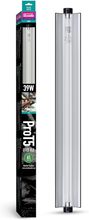
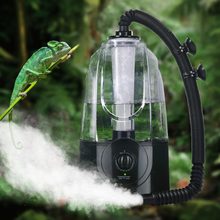
A 36x18x18 inch enclosure, UVB kit, heat lamp and thermostat, deep moisture-retentive substrate, hides, and a hygrometer make up the setup, genuinely more affordable than a large lizard setup and comparable to other mid-size terrestrial reptile setups. An automatic misting system is a worthwhile addition given how central moisture is to this species.

The setup, line by line: roughly $660 to $720
| Item | Cost Range |
|---|---|
| Enclosure, 36x18x18 inch glass terrarium | $280 |
| T5 HO UVB kit, 36 inch, 6% bulb | $99 |
| Basking bulb (2 pack) and dome fixture | $43 |
| Thermostat, on/off model | $130 |
| Coconut fiber substrate, about 6 inches deep (8 to 9 bags) | $88 - $99 |
| Two hides | $8 - $60 |
| Digital thermometer and hygrometer | $11 |
The enclosure and the thermostat are the two big lines, and the thermostat is the one people try to skip. The $130 unit priced here is an on/off model, and its maker says not to run an incandescent basking bulb on one; a bulb wants a dimming thermostat like the one linked above, which runs higher. A 36x18x18 inch tank is the floor for a single adult, and the substrate has to be deep enough to burrow in, around 6 inches, which is why it takes eight or nine 8 quart bags to fill that footprint. Hides run anywhere from a $4 plastic cave to a $30 resin shelter, so that row depends on taste more than need.
Ongoing costs: modest
Live insects, crickets, roaches, and worms among the common choices, plus a calcium and D3 supplement and periodic substrate replacement, keep this a low-maintenance species to feed month to month.
The monthly number: roughly $40 to $65
| Item | Monthly Cost |
|---|---|
| Feeder insects, 2 to 3 feedings a week | $10 - $25 |
| Calcium with D3, one 3 oz tub | $6 a tub |
| Substrate, full replacement every 3 to 4 months | $22 - $33 |
Prices last checked September 2026 at CountryMax, Dubia.com, Feeders Pet Supply, Pangea Reptile, Reptile Basics, That Pet Place and Zamzows. Retail prices move; treat the table as a snapshot, not a quote.
An adult fire skink eats two or three times a week, and the feeder bill follows from that. Dubia roaches sell for $0.18 to $0.31 each at the smaller sizes, the low end on sale, and at five or six insects a feeding, nine to thirteen feedings a month lands at roughly $10 to $25 with some crickets and worms mixed in. Calcium with D3 is a $6 tub, and the care sheets call for a light dusting, so it is a purchase every few months. The line people forget is substrate: the care sheets call for a full replacement every three to four months, and at eight or nine bags a time that is $22 to $33 a month once it is spread out. Add the yearly vet visit below and a UVB bulb change on the maker's replacement schedule, and this is still one of the cheaper lizards to keep.
Vet costs
Fire skinks are hardy with relatively few reported health issues. An annual exotic vet checkup is still worth doing, and parasite screening is genuinely important for wild-caught animals specifically, given how common wild-caught stock is in this species' trade.
Lifespan
15 to 20 years, a long commitment for a lizard this small and this affordable to acquire. The low purchase price shouldn't distract from the fact that you're taking on a two-decade relationship, on par with the blue-tongued skink despite the two being genuinely different pets in every other respect.
The cost consideration: captive-bred vs. wild-caught
Given how much of this species' trade is still wild-caught, the more meaningful cost decision isn't about morphs or price tiers, it's about sourcing. A wild-caught animal is the cheaper of the two and tends to arrive more stressed, more parasite-prone, and slower to settle. Paying the premium for verified captive-bred stock is the better value here.
Sources & Further Reading
Last reviewed 15 Sep 2026 · 3 sources
❓ Frequently Asked Questions
How much does a fire skink cost?
$25 to $40 for the common wild-caught or imported animals. No color-morph market exists in this species: the red, black, and gold banding it's prized for is natural, not selectively bred. Captive-bred individuals cost more and make better pets.
What does a fire skink enclosure setup cost?
Roughly $660 to $720: a 36x18x18 inch enclosure, T5 UVB kit, basking bulb and dome, dimming thermostat, eight or nine bags of coconut fiber, two hides, and a hygrometer. The enclosure and thermostat dominate.
What are the ongoing costs of keeping a fire skink?
Roughly $40 to $65 a month: $10 to $25 in feeder insects, a $6 calcium tub every few months, and $22 to $33 for substrate, replaced every three to four months.
Should I pay more for a captive-bred fire skink instead of wild-caught?
Yes. A wild-caught animal is the cheaper of the two, but it tends to arrive more stressed, more parasite-prone, and slower to settle. Verified captive-bred stock is the better value once vet costs and taming time are counted.
How long do fire skinks live?
15 to 20 years. That is a long commitment for a lizard this small and this cheap to buy, and the low purchase price shouldn't distract from the two-decade relationship you're taking on.
📰 More on the Fire Skink
📘 Fire Skink care guide
🦎 How to Handle a Fire Skink (This Isn't the Blue-Tongued Skink)
🦎 Common Fire Skink Health Issues
🦎 Fire Skink Enclosure Setup: Deep, Moist Substrate Above Everything Else
🦎 Fire Skink Feeding: Five Minutes of Insects in the Leaf Litter, Twice a Week as an Adult
🦎 Fire Skink Enrichment: The Study Where Skinks Stopped Hiding
🛒 Recommended Gear
As an Amazon Associate, we earn from qualifying purchases through the links above - at no extra cost to you.
Written by Michael Ryan
Mike keeps two rescued bearded dragons, Dex and Cera, and writes the care guides on BeastlyFacts from his own research and mistakes. He is not a veterinarian.
More about Michael Ryan →Comments
No comments yet - be the first!