How Much Does an African Grey Parrot Really Cost?
On This Page▾

An African grey parrot is an expensive bird to buy, and the purchase price is only the start of a commitment that runs for decades. The species also carries the strictest protection under CITES, the international treaty on wildlife trade, which shapes the paperwork a legitimately captive-bred bird should come with.
The Bird: $3,800 to $8,500
Two species are sold as African greys: the larger Congo grey and the smaller Timneh. Price varies with the species, the bird's age, whether it is hand-raised, and the breeder. Current breeder listings run about $4,800 to $8,500 for a Congo grey and $3,800 to $6,500 for a Timneh.
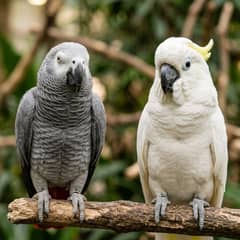
If a cockatoo is the other big parrot you're torn between, the grey against the cockatoo comes down to a quieter, more reserved bird against a louder, more physically demanding one.
The Paperwork a Captive-Bred Grey Should Come With
A grey bred and sold inside the US does not come with a CITES permit, and it does not need one. The Appendix I listing governs birds crossing international borders, and CITES imposes no controls on moving a bird between US states. A seller who offers a CITES certificate as the proof for a domestic bird is offering the wrong document.
What a captive-bred grey should come with is a closed leg band: a solid steel or aluminum ring the breeder slips over the foot within the first week after hatching, while the foot is still small enough to pass through. It cannot come off later without being cut, which is what makes it evidence. An open or pinned band stamped with three letters and three numbers, or with "USDA", is an import quarantine band. Legal import of wild-caught parrots ended with the Wild Bird Conservation Act of 1992, so a bird wearing one entered the country before 1993 and is not the young bird a listing may claim.
Leave the band on unless it is injuring the bird. It is often a grey's only identification, and proof of captive birth may be asked for if the bird moves, travels or is sold. A microchip in the breast muscle, registered to the owner, is the backup.
Taking a grey out of the country, or bringing one back, is where CITES paperwork starts: permits from the US Fish and Wildlife Service and the other country, with applications averaging 60 days and no way to expedite them. Budget for that time and the fees before booking a move abroad.
Upfront Setup: $2,115 to $2,825
| Item | Cost Range |
|---|---|
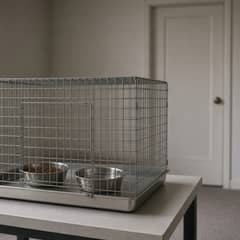
| Cage at least 40 by 30 by 60 inches with bars 3/4 to 1 inch apart, powder-coated at the low end, stainless at the high (check the dimensions and bar spacing before you buy) | $1,800 - $2,300 |
| Natural wood, rope and cement perches in varied diameters, sized for a large parrot: a dragonwood perch and a cement grooming perch to start | $70 - $100 |
| Avian UVB lamp and fixture, set up by the maker's directions | $60 - $95 |
| Plug-in timer for the UVB lamp | $5 - $20 |
| Foraging toys built for a large parrot | $40 - $50 |
| Two stainless bolt-on dishes, one for food and one for water | $30 - $40 |
| Travel carrier sized for a grey, for vet visits | $35 - $125 |
| Breathable cage cover for 10 to 12 hours of darkness (check it fits your cage) | about $40 |
| Fine mist spray bottle for bathing | $5 - $15 |
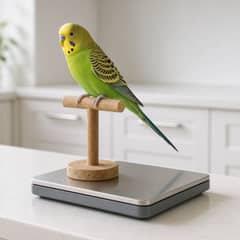
| Gram scale with a perch | $30 - $40 |
| Setup total, before the bird | $2,115 - $2,825 |
Typical price ranges across retailers.
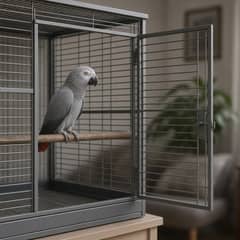
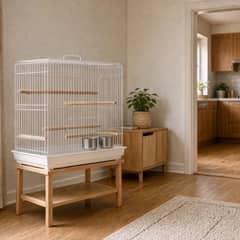
The cage is the biggest expense by far. A cage at least 40 by 30 by 60 inches, with bars 3/4 to 1 inch apart, runs $1,800 to $2,300: powder-coated at the low end, stainless at the high. A gram scale is a small line item by comparison, and it is how you track the bird's weight over its long life.
Recommended, though not counted in the total: a UV index meter, about $240 to $265. It is the only way to check what the UVB lamp actually delivers at the perch and to know when the bulb needs replacing.
Extras, Not Counted in the Setup Total
Neither is required to keep a grey healthy, but both earn their place in a home with one.
| Extra | Cost Range |
|---|---|
| Foraging puzzle feeder for part of the daily food | $10 - $25 |
| Large parrot play stand for the daily hours out of the cage | $205 - $250 |
| HEPA air purifier for the powder down | $90 - $110 |
| All the extras together | $305 - $385 |
Typical price ranges across retailers.
A grey needs three to four hours of supervised time out of the cage every day, and a play stand gives that time a place. The purifier is for the powder down greys shed onto every surface near the cage.
Ongoing Costs: Roughly $50 to $100 a Month
| Item | Cost Range |
|---|---|
| Quality large-parrot pellets, plus fresh produce | Part of the $50 to $100 a month |
| Rotating toys and enrichment | $50 to $200 a year |
Typical price ranges across retailers.
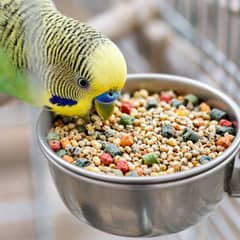
Quality pellets and fresh produce make up the monthly total. Toys are a separate yearly cost on top. A grey chews through them, so plan on replacing toys all year.
A stainless steel cage is the one item in the setup priced for a 45-year lifespan, and a powder-coated cage usually is not.
Vet Costs
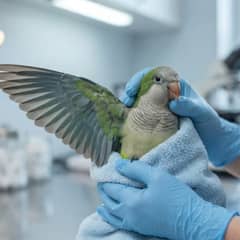
Book the first avian exam within one to two weeks of bringing the grey home. As a new client you pay about $128 for the exam at one avian practice, and basic bloodwork runs about $158 at another, so plan on roughly $285 for that first visit, before the test for psittacine beak and feather disease (PBFD).
After that, plan on a wellness exam at least once a year, at about $75 to $110 for an established client, and many avian vets advise two.
Emergencies cost more than a routine visit, with tests, treatment and hospital care on top. Seizures from low blood calcium and the fungal lung infection aspergillosis are two a grey is prone to. Keep an emergency fund for them, and find an avian vet before you need one.
Lifespan: The Number That Changes Everything
A grey in captivity lives 45 years on average, and some reach 60, against an average of about 23 years in the wild. With excellent care, many live 40 to 60 years or more. A grey bought as a young adult can outlive its owner, so plan now for who takes the bird if you cannot.
Budget for Decades, Not Years
The price of the bird is only the first number here. Put the money into a cage built to last, an avian vet you trust, and a plan for who cares for the grey if it outlives you.
Sources & Further Reading
Last reviewed 17 Jul 2026 · 6 sources
- Animal Diversity Web: Psittacus erithacus (grey parrot), University of Michigan Museum of Zoology
- Dr. Bob's Pet Health Information: African Grey Parrot Care Guide, Robert Linville, DVM
- Birdhouse Mobile Exotic Veterinary Service: Prices
- Bell Family Veterinary Service: Lab Services
- U.S. Fish and Wildlife Service: CITES Permits and Certificates fact sheet (2024); Traveling Abroad with Your Pet Bird
- VCA Animal Hospitals: Leg Bands and Identification for Birds
Put these numbers in a budget you can fill in. The Universal Pet Kit has it, among 19 forms for any pet that you can type into or print.
Frequently Asked Questions
How much does an African grey parrot cost?
$3,800 to $8,500 from a breeder, with the smaller Timneh usually at the lower end and the Congo at the higher.
Does an African grey need a permit?
Not for a grey bred and sold inside the US: CITES covers birds crossing borders. Taking a grey abroad, or bringing one into the country, needs permits from the US Fish and Wildlife Service and the other country, with fees on top and applications that average 60 days.
What does a starter setup cost?
$2,115 to $2,825. The cage is the biggest expense: $1,800 to $2,300 for one at least 40 by 30 by 60 inches, powder-coated at the low end and stainless at the high.
What are the ongoing monthly costs?
Roughly $50 to $100 a month for quality pellets and fresh produce. Toys and enrichment add $50 to $200 a year on top.
What does vet care cost?
The first visit, as a new client, runs about $285 with basic bloodwork, before the test for psittacine beak and feather disease (PBFD). After that, a yearly wellness exam for an established client runs $75 to $110. Keep an emergency fund for seizures, aspergillosis and other urgent care.
How long do African grey parrots live, and why does it matter for cost?
About 45 years on average in captivity, and some reach 60. Budget for decades of food, toys and vet care, and name the person who takes the bird if it outlives you.
More on the African Grey Parrot
Recommended Gear
As an Amazon Associate I earn from qualifying purchases through the links above, at no extra cost to you.

Written by Michael Ryan
Mike keeps two rescued bearded dragons, Dex and Cera, and writes the care guides on BeastlyFacts from his own research and mistakes. He is not a veterinarian.
More about Michael Ryan →You May Also Like

Subscribe - it's free
An occasional email when something new is worth your time. No spam.
Deep Dive
Health and More