Savannah Monitor
Varanus exanthematicus
On This Page▾
🌍 Overview
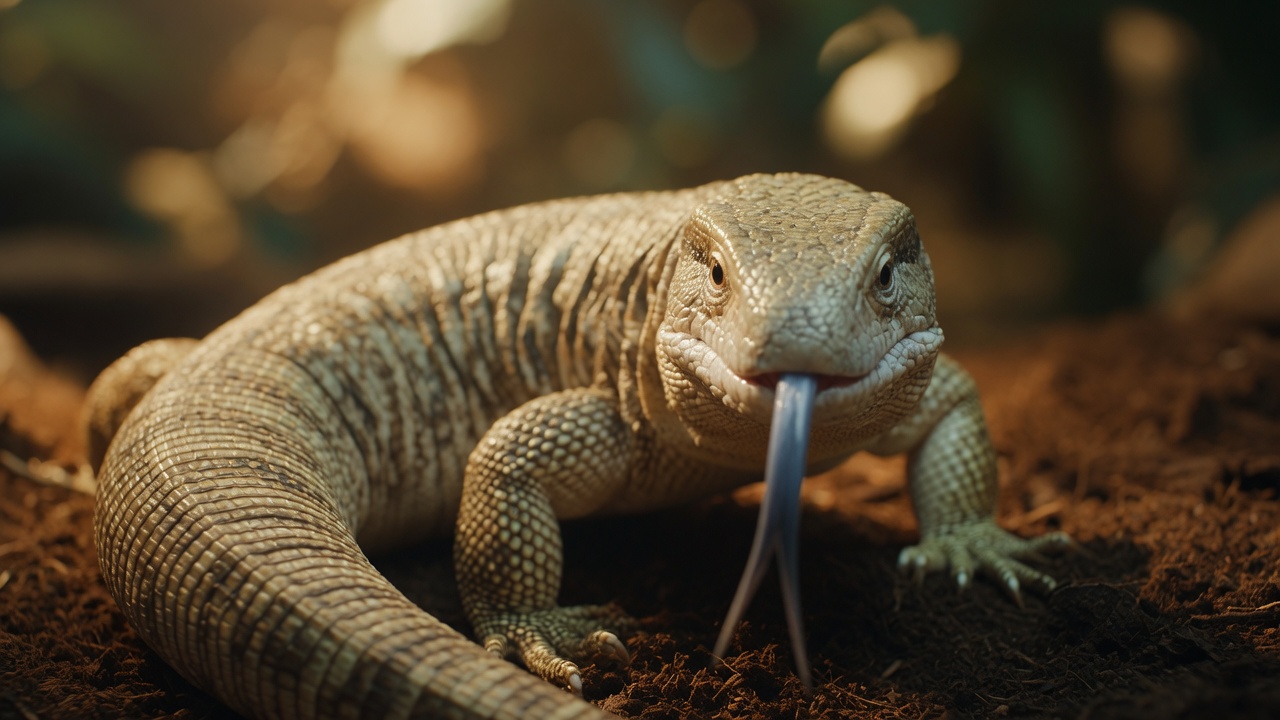
The savannah monitor is a medium-to-large monitor lizard native to the sub-Saharan African savanna and semi-arid grasslands. In the wild they are highly active, covering considerable distances in search of prey and aestivating in burrows during the dry season. Despite a reputation for being tameable, savannah monitors in captivity frequently suffer from obesity and shortened lifespans due to improper high-fat diets.
📋 Quick Facts
Native Range
Sub-Saharan Africa (Senegal to Sudan)
Natural Habitat
Savanna, grassland, and semi-arid scrubland
Adult Size
3-4 feet (90-120 cm); 8 to 15 lbs
Wild Diet
Insects, snails, scorpions, frogs, small mammals, and eggs
Wild Lifespan
Not well documented in the wild; 10 to 15 years in captivity with good husbandry, and 15 to 20 achievable
Conservation Status
Least Concern (IUCN)
📜 History
The French naturalist Louis Augustin Guillaume Bosc named the species Lacerta exanthematica in 1792. Two centuries later it had become one of the highest volume reptiles in the world pet trade, drawn almost entirely from West Africa: CITES records show Ghana exporting 235,903 live animals between 2000 and 2010, Togo 188,110 and Benin 72,964. The United States absorbed most of that supply, importing 325,480 live savannah monitors over the same decade, an average of about 30,574 a year. Declared worldwide exports of skins and other products across that period came to 37,506, a fraction of the trade in living animals.
⚖️ Compare
Savannah Monitor
Human
Adult Size
3-4 feet (90-120 cm); 8 to 15 lbs
5-6 feet (150-185 cm); ~135-200 lbs
Wild Lifespan
Not well documented in the wild; 10 to 15 years in captivity with good husbandry, and 15 to 20 achievable
~73 years (global average)
Wild Diet
Insects, snails, scorpions, frogs, small mammals, and eggs
Omnivorous - eats just about anything
Native Range
Sub-Saharan Africa (Senegal to Sudan)
Global - originated in Africa roughly 300,000 years ago
Natural Habitat
Savanna, grassland, and semi-arid scrubland
Everywhere from arctic tundra to tropical megacities
Conservation Status
Least Concern (IUCN)
Least Concern (8+ billion and counting)
🧠 Test Yourself
What's the Savannah Monitor's native range?
⚖️ Where it is legal
12 US jurisdictions restrict this species, from outright bans to permits. Every one quotes the rule it comes from.
⚖️ Legal Guide
Subscribe - it's free
New animal facts and care guides straight to your inbox. No spam. 🐾
📰 Deep Dive
🦎 How Much Does a Savannah Monitor Really Cost?
🦎 How to Handle a Savannah Monitor (This Isn't the Ackie Monitor)
🦎 Common Savannah Monitor Health Issues (Obesity Is the Defining One)
🦎 Savannah Monitor Enclosure Setup: The 8x4x4 Foot Reality
🦎 Savannah Monitor Feeding: Insects as the Staple, Rodents as the Exception, and the Liver That Pays for the Difference
🦎 Savannah Monitor Enrichment: The Species That Gets Bored Fastest
🩺 Health and More
🔌 Reptile Emergency Plan: Power Outages, Travel, and Pet Sitters
💧 Reading Reptile Stool, Urates, and Hydration: A Daily Health Check
🧼 Salmonella and Reptile Hygiene: The Rules That Actually Matter
🌡️ Reptile Heating and Thermostats: Preventing Burns
🧫 Reptile Quarantine: Why New Snakes and Lizards Need Months, Not Weeks
🦎 Understanding Reptile Shedding (Ecdysis)
🤓 Did You Know?
Savannah monitors are built for digging. In the wild they may create burrows several feet deep to escape the African heat. A deep substrate is one of the most important enrichment features you can give them!
Explore More