Mourning Gecko
Lepidodactylus lugubris
On This Page▾
🌍 Overview
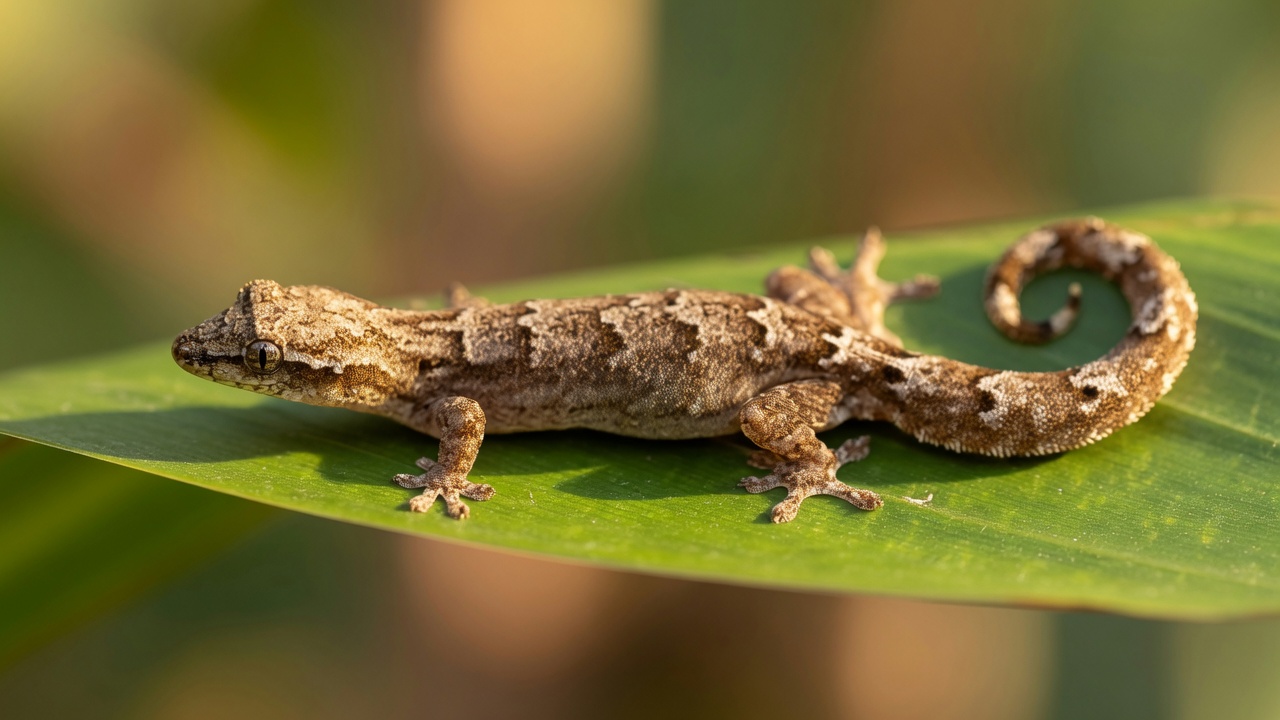
The mourning gecko holds a remarkable distinction: wild populations are almost entirely female and reproduce through parthenogenesis - producing fertile eggs without fertilization. Originally native to islands across the Indo-Pacific, they have colonized tropical coastlines worldwide by hitchhiking on cargo ships. They are tiny, fast, and thrive in communal setups, making them fascinating display animals.
📋 Quick Facts
Native Range
Indo-Pacific islands; introduced worldwide in tropical regions
Natural Habitat
Tropical coastal vegetation, forest edges, and human structures
Adult Size
3.5-4 inches (8.5-10 cm)
Wild Diet
Small invertebrates, fruit juice, and nectar
Wild Lifespan
Not documented in the wild; up to 10 years in captivity, with some reports of 15
Conservation Status
Least Concern (IUCN)
📜 History
Auguste Duméril and Gabriel Bibron named the species in 1836, but the work that made it a laboratory animal came much later: Orlando Cuellar and Arnold Kluge documented natural parthenogenesis in it in 1972, and it has been a standard subject for cytogenetics ever since. Later chromosome work showed the species is not one clone but many. Each lineage appears to descend from a separate hybridization between Lepidodactylus moestus and a still undescribed relative, producing diploid animals with 44 chromosomes and triploids with 66. Developmental biologists adopted it because no pairing is needed, every individual lays, and clonemates are genetically identical, and those same traits are what let one stray animal found a colony.
⚖️ Compare
Mourning Gecko
Human
Adult Size
3.5-4 inches (8.5-10 cm)
5-6 feet (150-185 cm); ~135-200 lbs
Wild Lifespan
Not documented in the wild; up to 10 years in captivity, with some reports of 15
~73 years (global average)
Wild Diet
Small invertebrates, fruit juice, and nectar
Omnivorous - eats just about anything
Native Range
Indo-Pacific islands; introduced worldwide in tropical regions
Global - originated in Africa roughly 300,000 years ago
Natural Habitat
Tropical coastal vegetation, forest edges, and human structures
Everywhere from arctic tundra to tropical megacities
Conservation Status
Least Concern (IUCN)
Least Concern (8+ billion and counting)
🧠 Test Yourself
What's the Mourning Gecko's native range?
🤩 Fun Facts
🦎 Gecko Toe Magic
Geckos can walk on walls and ceilings thanks to millions of tiny hair-like structures on their toes called setae. Each foot has about 500,000 of them, using molecular forces to stick to surfaces!
🦎 Climbing the Walls
Geckos have microscopic hairs on their feet that allow them to stick to surfaces and even run on ceilings! This amazing ability comes from van der Waals forces, making them one of nature's great climbers.
📖 Care Guide
Mourning Gecko Care Guide
Tiny, all-female, and happiest as a whole chattering colony!
Subscribe - it's free
New animal facts and care guides straight to your inbox. No spam. 🐾
📰 Deep Dive
🦎 How Much Does a Mourning Gecko Really Cost?
🦎 Should You Handle a Mourning Gecko? Realistically, No
🦎 Common Mourning Gecko Health Issues (Egg-Laying Changes the Picture)
🦎 Mourning Gecko Tank Setup: A Small, Humid, Planted Display Vivarium
🦎 Mourning Gecko Feeding: Schedule, Diet, and Why They Stop Eating
🦎 Mourning Gecko Enrichment: The Only One You Should Keep in Groups
🩺 Health and More
🔌 Reptile Emergency Plan: Power Outages, Travel, and Pet Sitters
💧 Reading Reptile Stool, Urates, and Hydration: A Daily Health Check
🧼 Salmonella and Reptile Hygiene: The Rules That Actually Matter
🌡️ Reptile Heating and Thermostats: Preventing Burns
🧫 Reptile Quarantine: Why New Snakes and Lizards Need Months, Not Weeks
🦎 Understanding Reptile Shedding (Ecdysis)
🤓 Did You Know?
Mourning geckos are parthenogenetic. Every individual is female, and they can reproduce without males by cloning themselves!
Explore More