Blue Tongue Skink
Tiliqua spp.
On This Page▾
🌍 Overview
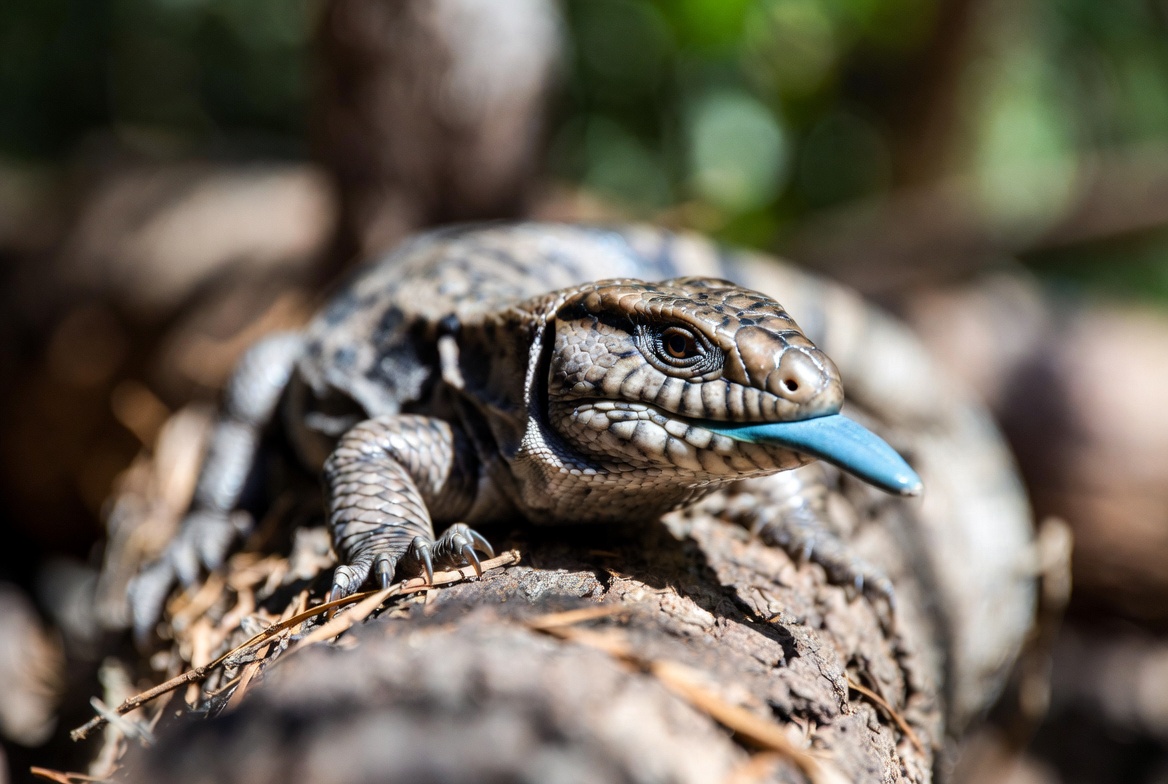
Blue-tongued skinks are large, slow-moving lizards native to Australia and parts of Indonesia and New Guinea. Their shocking blue tongue, flashed at predators, serves as a startling warning display. They are ground-dwelling omnivores that consume a diverse wild diet of fruits, plants, snails, and carrion. Thick-bodied and docile by nature, their manageable temperament has made them highly popular as pets.
📋 Quick Facts
Native Range
Australia, Indonesia, New Guinea
Natural Habitat
Open woodland, grassland, and scrubland
Adult Size
17-24 inches (43-60 cm)
Wild Diet
Omnivore - berries, fruits, flowers, snails, insects, and carrion
Wild Lifespan
Not reported in the wild, though thought to be long-lived (San Diego Zoo Wildlife Alliance); the widely quoted 15-20 years is a captive figure
Conservation Status
Varies by species; most Least Concern (IUCN)
📜 History
John White, surgeon general to the First Fleet, published the first description of a blue-tongued skink in 1790 in his Journal of a Voyage to New South Wales, illustrated with a color plate. Australia's 1982 ban on commercial wildlife export means the animals sold abroad today are largely Indonesian and New Guinean species taken from the wild, while Australian keepers work from separate domestic stock. The genus also produced one of herpetology's better rediscovery stories: Tiliqua adelaidensis, the pygmy bluetongue, was written off as extinct until 1992, when a researcher near Burra in South Australia opened a dead brown snake and found one in its stomach.
⚖️ Compare
Blue Tongue Skink
Human
Adult Size
17-24 inches (43-60 cm)
5-6 feet (150-185 cm); ~135-200 lbs
Wild Lifespan
Not reported in the wild, though thought to be long-lived (San Diego Zoo Wildlife Alliance); the widely quoted 15-20 years is a captive figure
~73 years (global average)
Wild Diet
Omnivore - berries, fruits, flowers, snails, insects, and carrion
Omnivorous - eats just about anything
Native Range
Australia, Indonesia, New Guinea
Global - originated in Africa roughly 300,000 years ago
Natural Habitat
Open woodland, grassland, and scrubland
Everywhere from arctic tundra to tropical megacities
Conservation Status
Varies by species; most Least Concern (IUCN)
Least Concern (8+ billion and counting)
🧠 Test Yourself
What's the Blue Tongue Skink's native range?
📖 Care Guide
Blue Tongue Skink Care Guide
The chunky, blue-tongued charmer who loves a good meal!
⚖️ Where it is legal
6 US jurisdictions restrict this species, from outright bans to permits. Every one quotes the rule it comes from.
⚖️ Legal Guide
Subscribe - it's free
New animal facts and care guides straight to your inbox. No spam. 🐾
📰 Deep Dive
🦎 How Much Does a Blue-Tongued Skink Really Cost?
🦎 How to Handle a Blue-Tongued Skink
🦎 Common Blue-Tongued Skink Health Issues and What Causes Them
🦎 Blue-Tongued Skink Tank Setup: Northern vs. Indonesian, the Difference That Actually Matters
🦎 Blue Tongue Skink Feeding: Schedule, Diet, and Why They Stop Eating
🦎 Blue Tongue Skink Enrichment: Mealworms Made Them Hide Less
🩺 Health and More
🔌 Reptile Emergency Plan: Power Outages, Travel, and Pet Sitters
💧 Reading Reptile Stool, Urates, and Hydration: A Daily Health Check
🧼 Salmonella and Reptile Hygiene: The Rules That Actually Matter
🌡️ Reptile Heating and Thermostats: Preventing Burns
🧫 Reptile Quarantine: Why New Snakes and Lizards Need Months, Not Weeks
🦎 Understanding Reptile Shedding (Ecdysis)
🤓 Did You Know?
Blue tongue skinks give live birth instead of laying eggs, and they are one of the largest skink species kept as pets.
Explore More