Platy Feeding: Schedule, Diet, and Why Overfeeding Is the Real Risk
On This Page▾

Platies will eat almost anything you put in front of them, which is exactly why overfeeding, not pickiness, is the mistake that causes problems with this species.
Feeding Schedule by Life Stage
- Fry (newborn to roughly 2 months): The highest feeding frequency of any stage. Because platies are livebearers, fry are born large and developed enough to handle crushed flake or newly hatched baby brine shrimp immediately, no infusoria stage needed. Feed small amounts 3 to 4 times a day to keep up with rapid early growth.
- Juveniles: Two or three smaller meals a day at this stage, the top of the adult range, tapering toward adult portions as fish approach full size.
- Adults: Once or twice a day, sometimes stretched to three small feedings. The portion rule holds regardless of frequency: feed only what's fully cleared within a minute or two.
What Platies Eat
Platies are true omnivores in the fullest sense, in the wild their diet already mixes algae and plant matter with small crustaceans, insects, and worms, and in a tank they're genuinely unfussy about accepting almost anything offered. A high-quality tropical flake or small pellet works well as the everyday staple.
One of the clearest overfeeding tells in a platy tank has nothing to do with the fish refusing food. Watch instead for a long, stringy strand of waste trailing from the fish after a meal, a visible sign the portion was too large and the fish's digestion is struggling to keep up.
Platies eat plant matter alongside small animal prey, so the diet can be flake or pellet forward while rotating in blanched vegetables, spinach, cucumber, zucchini, and peas, a couple of times a week for variety. Live or frozen protein, brine shrimp, bloodworms, and daphnia, makes a good supplement rather than a daily staple.
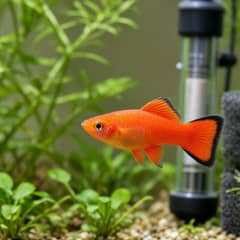
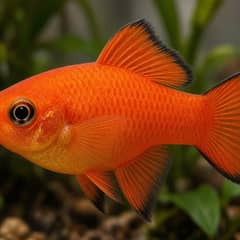
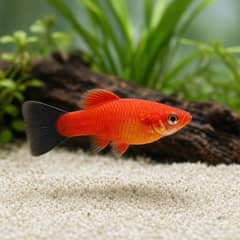
Platies cannot make the red, orange and yellow pigments they show; those are carotenoids that arrive with food. In an eight-week trial, platies fed brine shrimp enriched with beta carotene carried more than four times the skin carotenoid of fish fed plain brine shrimp, and they measured redder. A flake or pellet that lists spirulina, krill, astaxanthin or marigold, or carotenoid-enriched brine shrimp a few times a week, is the lever a keeper has. It deepens a color the strain already carries and cannot add one.
Safe Treats and Foods to Avoid
Safe: quality flake or pellet formulated for community tropical fish, blanched spinach, cucumber, zucchini, and peas, algae wafers, and occasional brine shrimp, bloodworms, or daphnia as a protein supplement.
Avoid feeding exclusively one type of food long term, platies genuinely do better on variety, and skip anything spoiled or previously thawed and left sitting out, which encourages bacterial growth in the tank. Beyond specific foods, the single biggest mistake with this species is simply feeding too much: platies will keep begging and eating well past the point of being full, so the portion rule matters more than what exactly you're feeding.
Why Platies Stop Eating
- Stress. New-tank relocation, aggressive tankmates, and too many males chasing too few females are common triggers. Several females per male cuts down on the harassment that suppresses appetite.
- Poor or unstable water quality. Ammonia or nitrite spikes and incorrect pH are common causes of both appetite loss and lethargy in freshwater fish generally, worth testing for directly rather than waiting out.
- Cold water. Platies are a warm-water species, and cold water slows metabolism directly, showing up as lethargy and reduced appetite alongside a weakened immune response.
- Impending birth. A female close to giving birth may eat less in the day or so beforehand. Appetite typically returns quickly afterward.
- Illness. Ich, fin rot, and similar conditions are usually accompanied by other visible signs, not appetite loss alone.
What's worth acting on regardless of exact duration: appetite loss combined with lethargy, hiding, clamped or discolored fins, visible spots, or unusual swimming. Any of those together are a signal to check water parameters immediately rather than wait it out.
Overfeeding is the bigger practical risk of the two, though. Keepers commonly link it to constipation and swim bladder problems, and leftover food breaking down in a small tank is a common, avoidable driver of the water-quality decline behind most other platy health issues. Steady filtration and a regular water-change habit keep that from compounding, and a guppy is similarly unfussy and similarly prone to being overfed.
Check the Platy encyclopedia profile for more.
Sources & Further Reading
Last reviewed 10 Sep 2026 · 5 sources
- Seriously Fish: Xiphophorus maculatus
- FishBase: Xiphophorus maculatus, Southern platyfish
- Merck Veterinary Manual: Nutritional Diseases of Fish; Disorders and Diseases of Fish
- Abdollahi Y, Ahmadifard N, Agh N, Rahmanifarah K, Hejazi MA (2019). β-Carotene-enriched Artemia as a natural carotenoid improved skin pigmentation and enhanced the mucus immune responses of platyfish Xiphophorus maculatus. Aquaculture International 27(6):1847-1858
- Nakano T, Wiegertjes G (2020). Properties of Carotenoids in Fish Fitness: A Review. Marine Drugs 18(11):568

A routine chart and equipment log you can fill in for your own setup. The Universal Pet Kit has it, among 19 forms for any pet that you can type into or print.
Frequently Asked Questions
What do platies eat?
Platies are true omnivores and unfussy eaters. A high-quality flake or small pellet works as the staple, with vegetable matter like blanched spinach, cucumber, or zucchini, plus occasional live or frozen protein like brine shrimp or bloodworms, rounding out a complete diet. Platies take plant matter as part of a mixed diet, so blanched vegetables earn a regular place in the rotation.
How often should I feed my platy?
Adults do well fed once or twice a day, sometimes stretched to three times for very small portions, feeding only what's fully cleared within a minute or two. Juveniles need two or three smaller meals a day, the top of the adult range, to keep pace with faster growth.
What should platy fry eat?
Because platies are livebearers, fry are born large enough to handle crushed flake or newly hatched baby brine shrimp right away, no need for infusoria first. Feed fry small amounts three to four times a day for roughly their first two months, tiny stomachs need frequent refueling to keep up with rapid early growth.
Can platies overeat?
Easily, and it's a far more common real problem than underfeeding. Platies will keep eating past the point of being full, and keepers commonly link overfeeding to constipation and swim bladder problems. Watch for a long, stringy trail of waste hanging from the fish after a meal, which keepers often read as a sign the portion was too large. Uneaten food rotting in the tank also fouls water quality fast in a tank this small, which opens the door to several other health issues.
What should I feed platies to bring out their color?
A varied diet that includes a carotenoid source alongside the usual staple. Expect a change over weeks, and only in the reds, oranges and yellows the fish already has: black, pattern and strain are inherited, and a pale platy on good food usually points to stress, illness or bad water.
Why has my platy stopped eating?
Stress from a new tank, aggressive tankmates, or too many males chasing too few females are common triggers, as is poor or unstable water quality and cold water, which slows metabolism directly. A female close to giving birth may also eat less for a day or so beforehand. Any of these paired with lethargy, clamped fins, or unusual swimming is worth checking water parameters over rather than waiting out.
More on the Platy

Written by Michael Ryan
Mike keeps two rescued bearded dragons, Dex and Cera, and writes the care guides on BeastlyFacts from his own research and mistakes. He is not a veterinarian.
More about Michael Ryan →You May Also Like
Subscribe - it's free
An occasional email when something new is worth your time. No spam.
Deep Dive
Health and More