Platy
Xiphophorus maculatus / X. variatus
On This Page▾
🌍 Overview
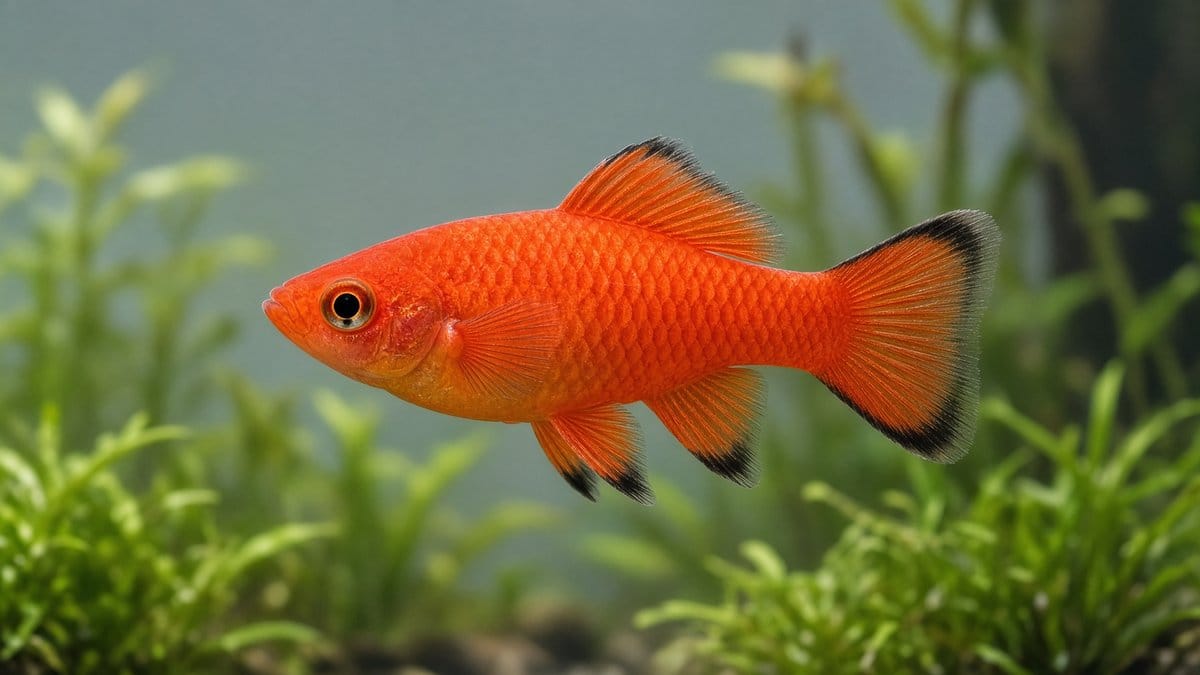
The platy is a small, exceptionally hardy livebearer native to the Atlantic-slope river systems of Mexico, Belize, and Guatemala. Two closely related species are sold interchangeably as 'platy' in the aquarium trade, the southern platy (Xiphophorus maculatus) and the variatus platy (X. variatus), and decades of selective breeding plus repeated hybridization between the two, and even with the swordtail, have produced an enormous range of colors and patterns, from Mickey Mouse and wagtail platies to calico, tuxedo, and bumblebee varieties. Wild platies are actually a fairly drab olive-brown; virtually all of that color range is the product of generations of captive breeding. Like its guppy and molly relatives in the livebearer family Poeciliidae, the platy breeds prolifically and needs little encouragement to produce a steady stream of fry.
📋 Quick Facts
Native Range
Atlantic coastal plain of Mexico, Belize, and Guatemala (X. variatus more localized to northeastern Mexico)
Natural Habitat
Slow-moving, densely vegetated canals, ditches, ponds, and warm springs over muddy substrate
Adult Size
2-3 inches (5-7.5 cm); females larger than males
Wild Diet
Small crustaceans, insects, annelid worms, algae, and plant matter
Wild Lifespan
3-5 years
Conservation Status
Data Deficient (IUCN, X. maculatus); Least Concern (X. variatus)
📜 History
The platy has a second career with nothing to do with ornamental color. Between 1928 and 1931, working independently, Haussler, Kosswig and Myron Gordon each found that crossing a platy with a swordtail and then backcrossing the hybrids produced offspring that developed malignant melanoma, about a quarter of the backcross fish in the classic scheme. That cross, now known as the Gordon-Kosswig cross, became one of the oldest animal systems for cancer research still in use. In 1989 Wittbrodt and colleagues traced the tumors to Xmrk, a mutated and duplicated copy of the epidermal growth factor receptor gene.
⚖️ Compare
Platy
Human
Adult Size
2-3 inches (5-7.5 cm); females larger than males
5-6 feet (150-185 cm); ~135-200 lbs
Wild Lifespan
3-5 years
~73 years (global average)
Wild Diet
Small crustaceans, insects, annelid worms, algae, and plant matter
Omnivorous - eats just about anything
Native Range
Atlantic coastal plain of Mexico, Belize, and Guatemala (X. variatus more localized to northeastern Mexico)
Global - originated in Africa roughly 300,000 years ago
Natural Habitat
Slow-moving, densely vegetated canals, ditches, ponds, and warm springs over muddy substrate
Everywhere from arctic tundra to tropical megacities
Conservation Status
Data Deficient (IUCN, X. maculatus); Least Concern (X. variatus)
Least Concern (8+ billion and counting)
🧠 Test Yourself
What's the Platy's native range?
🤩 Fun Facts
🐠 70 Years in Cancer Labs
Platies and their close relatives have been used in melanoma research for over 70 years, making them one of the oldest continuously studied animal models for any cancer, human or otherwise. Yet despite that scientific fame, an ordinary pet-store platy has essentially no risk of developing it under normal aquarium conditions.
Subscribe - it's free
New animal facts and care guides straight to your inbox. No spam. 🐾
📰 Deep Dive
🐠 How Much Does Platy Fish Ownership Really Cost?
🐠 Platies Aren't Handled Either, But They Do Need a Breeding Plan
🐠 Common Platy Health Issues (And the Truth About 'Platy Tumors')
🐠 Platy Tank Setup: A Real 10 Gallons, Hard Water, and a Plan for Fry
🐠 Platy Feeding: Schedule, Diet, and Why Overfeeding Is the Real Risk
🐠 Platy Enrichment: Hardy Is Not the Same as Unaffected
🩺 Health and More
🐠 Aquarium Power Outages, Transport, and Moving Your Fish: The Complete Plan
🦠 How to Cycle a Fish Tank, Start to Finish: Fishless and Fish-In
🧽 Aquarium Filtration: How It Actually Works and How to Maintain It
🪣 Aquarium Water Changes: How Much, How Often, and What the Number Is For
🐟 Aquarium Stocking and Tankmates: How Many Fish, and Which Ones Go Together
🧪 Freshwater pH, GH, and KH: Why Chasing a Number Backfires
🤓 Did You Know?
Nearly every color and pattern of platy in the hobby, from Mickey Mouse to tuxedo to bumblebee, comes from generations of selective breeding and repeated hybridization between two closely related species, Xiphophorus maculatus and X. variatus, and even the swordtail. Wild platies are actually a fairly drab olive-brown; the huge color range sold today simply doesn't exist in nature.
Explore More