Platy Enrichment: Forgiving Is Not the Same as Unaffected
On This Page▾

The platy is a beginner fish when the water is hard enough, which is why it is the fish that gets the beginner mistakes.
Platies are easy beginner fish when the water is hard enough, which is why they end up in small tanks, bare tanks and tanks not yet cycled. Mass-bred stock is often weak, and a fish surviving is not evidence that the tank is fine. What a platy needs is undemanding and it is still a list.
What the Research Says
One comparison of nine livebearing species included the variatus platy and found that females spent significantly less time feeding with a male present than with another female. The wider thread is livebearer sexual harassment, covered in full in our Guppy enrichment guide.
Studies of guppies and related livebearers identify costs to females from male harassment: in the molly Poecilia mexicana, females become more vigilant and feed less when males court them. One guppy study found the effects carrying into the next generation.
Platy males can be relentless too, and the direction of the finding still applies. A male-heavy platy tank produces females that spend their day avoiding rather than eating.
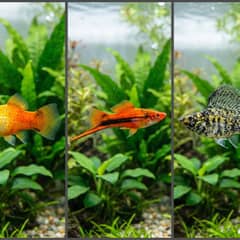
Many platies in the trade carry hybrid ancestry from the southern platy, the variatus and the swordtail, and have been bred for color for over a century. Mass-bred stock of that kind is often not very hardy, because of inbreeding and over-production.
Sex Ratio
Several females to each male, more females better. Or keep a single-sex group, which sidesteps both the harassment and the population question.
The trap is the usual one. Buying on color and finish produces a male-heavy tank without anyone deciding to make one.
A Group
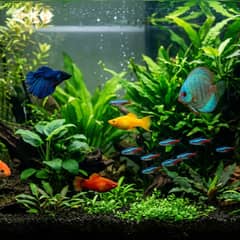
Peaceful, social fish that do better in numbers. Five or more spreads any chasing instead of focusing it on one individual, and produces more of the ordinary behavior that makes the fish worth watching.
A 10 gallon tank is a reasonable starting point by volume for a small group, though its 20 by 10 inch base falls short of the 24 by 12 inch footprint a platy tank should have, and it is not a long-term plan if you keep both sexes.
Cover That Breaks Sight Lines
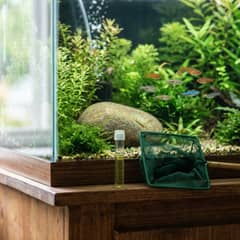
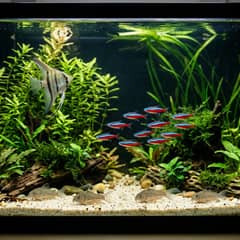
Dense live planting along the sides and back, plus floating plants.
In a livebearer tank cover does specific work: it lets a pursued female stop being pursued, and it gives fry a survival rate you can manage rather than none or all. Leave open swimming space through the middle, since platies are active mid-water fish.
A Cycled, Stable Tank
The one that gets skipped because the fish survives it. A platy will live through an uncycled tank. It will do so while being exposed to ammonia.
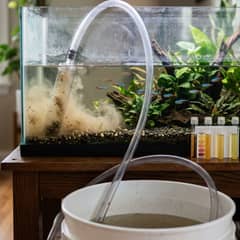
Cycle first, use water conditioner on everything that goes in, and change small amounts often.
Feeding Across the Tank
Spread food out and do not drop it in one place, so females being chased still eat. Vary it with vegetable-based foods, since platies take plant matter as part of a mixed diet.
Decide About the Fry Before You Get Them
A mixed-sex platy tank produces broods roughly monthly. Within a year an unmanaged tank is overstocked, and overstocking is what finally overwhelms even a forgiving beginner fish.
Single-sex group, a plan for rehoming, or tank mates that will predate fry. Any of the three works. Not deciding is what does not.
Priority Order
- A cycled, stable tank before they arrive
- Several females per male, or a single-sex group
- A group of five or more
- Planting that breaks sight lines, including floating cover
- Open swimming space through the middle
- Food spread across the tank, with vegetable content
- A decision about the fry
What Not to Do
Do not use a beginner fish to cycle a tank. Do not stock on color and end up male-heavy. Do not keep a pair. Do not run a bare tank because platies will put up with one. Do not ignore the population.
The platy, swordtail and molly overview sets the platy beside the other two common livebearers, where it is the smallest and the simplest to house of the three.
Sources & Further Reading
Last reviewed 14 Sep 2026 · 3 sources
Frequently Asked Questions
Is there research relevant to platy welfare?
Yes, in part. One comparison of nine livebearing species included the variatus platy and found females fed significantly less with a male present. The wider livebearer harassment research points the same way: females under male pursuit stay vigilant and lose time feeding.
What sex ratio should I keep?
Several females per male, and more females is better. Platy males can be relentless and the same dynamic applies, and a male-heavy tank produces females that spend their time avoiding rather than feeding.
Are platies that hardy?
Not reliably. They suit beginners as long as the water is moderately hard or harder, but many commercially bred platies are weak from inbreeding and over-production and prone to disease and premature death, so a poor setup costs them more than it looks.
So what does a platy need?
A group, a sex ratio that is not male-heavy, planting to break line of sight, and a cycled tank of a reasonable size. None of it is demanding, and none of it is what a beginner fish typically gets.
Do platies need to be in groups?
They do better in them. Platies are peaceful and social, and a group of five or more spreads out any chasing rather than concentrating it, as well as producing more visible normal behavior.
Will they breed?
Constantly, if you keep both sexes. A mixed platy tank produces broods roughly monthly and the population outgrows the tank quickly. An all-female or all-male group avoids it.
More on the Platy
Recommended Gear
As an Amazon Associate I earn from qualifying purchases through the links above, at no extra cost to you.

Written by Michael Ryan
Mike keeps two rescued bearded dragons, Dex and Cera, and writes the care guides on BeastlyFacts from his own research and mistakes. He is not a veterinarian.
More about Michael Ryan →You May Also Like

Subscribe - it's free
An occasional email when something new is worth your time. No spam.
Deep Dive
Health and More