Koi Pond Setup: Built for Waste Volume, Not Just Water Volume
On This Page▾

Koi husbandry is water management at scale. Get the volume, filtration, and depth right, and koi are hardy, low-drama fish.
Size
Roughly 250 gallons per adult koi, or about 10 gallons per inch of body length. In practice, 1,000 gallons is the frequently cited minimum practical pond volume, and it only comfortably supports a few fish, larger is strongly preferred for water stability and healthy growth. Juveniles can start in something smaller, even a 29-gallon tank temporarily, but they outgrow that fast.
Indoor aquariums can technically house koi, but matching the volume and industrial-grade filtration an adult needs indoors is expensive and impractical for most keepers. Outdoor ponds are the standard setup for adult koi for good reason. The red-eared slider follows the same arc, sold small into a tank it outgrows within a couple of years, which is the shape of the mistake rather than anything particular to fish.
Depth
Minimum 3 feet, ideally 3 to 5 feet or more.
Pond depth for koi isn't about the fish's size at all, it's about surviving the seasons. Depth matters for temperature stability, protection from predators, and survival through winter in climates that freeze. A pond that's too shallow can freeze solid or overheat, both genuinely dangerous for the fish, which is why "how deep" ends up mattering more than "how wide" in a lot of pond designs.
Temperature
Koi are hardy coldwater fish, comfortable in a 64 to 75°F range, with 59 to 77°F as the outer limits. They tolerate wider extremes than that range suggests, but rapid swings, more than about 2°F a day, are the real risk, not the absolute temperature. No heater is needed in a temperate outdoor pond, a de-icer keeps a section ice-free for gas exchange in cold climates. Feeding and metabolism drop sharply as water cools, which is why koi eat far less in winter.
Substrate
Smooth-sided pebbles or gravel in a shallow layer are acceptable, and a bare-bottom pond is the easier build, simpler to clean and free of anaerobic pockets and pump damage. Avoid sharp or jagged material, which can injure mouths and gills during foraging or damage the pond liner, and skip very fine material that clogs equipment.
Lighting
No UVB lighting is required, koi don't rely on it for vitamin D the way many reptiles do. Natural daylight is preferred for outdoor ponds, with some shade to limit algae growth and temperature spikes. A UV clarifier or sterilizer is common and genuinely useful, but it's a water-treatment device for controlling algae and pathogens, not lighting for the fish themselves.
The Part That Determines Success: Filtration
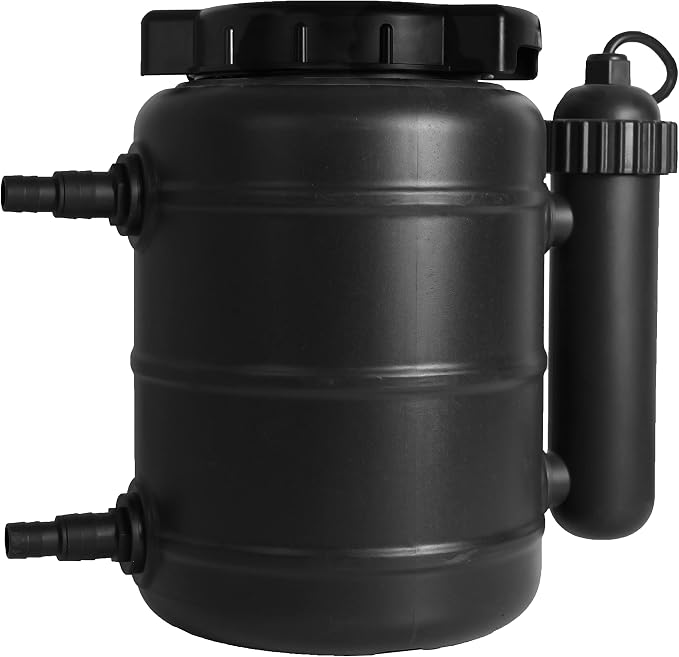
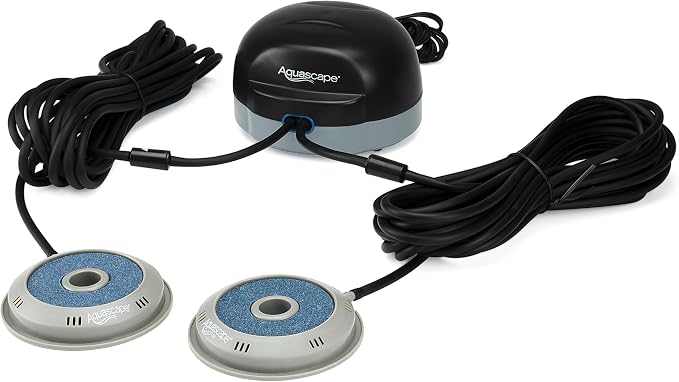
Koi are heavy waste producers, and this is where most beginner setups fall short. Mechanical and biological filtration needs to be robust, an oversized filtration system paired with a UV clarifier is the right call here, not overkill, with strong aeration and oxygenation alongside it. An aeration kit or waterfall pump keeps oxygen levels stable, especially in summer heat. Open swimming space matters too, koi are active, so keep dense decor limited.
Other Non-Obvious Requirements
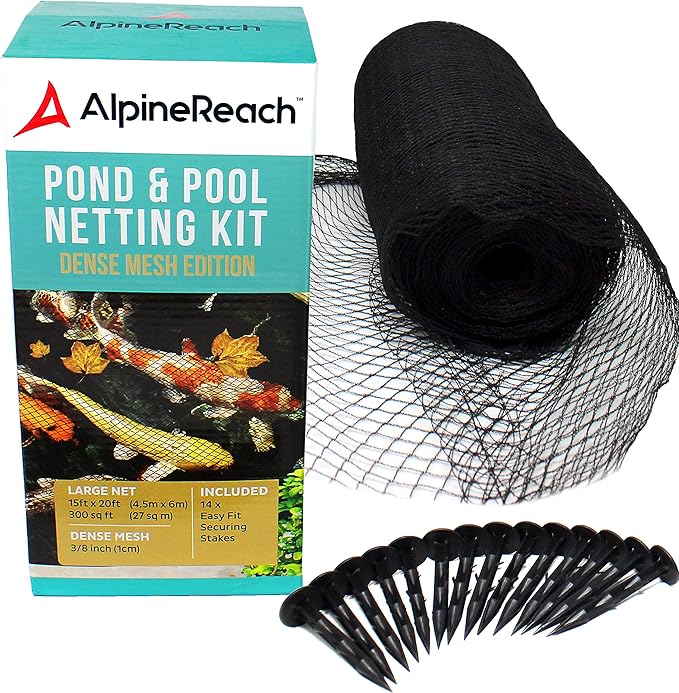
- Predator protection: herons, raccoons, and similar predators are real threats. An appropriately sized netting kit and adequate depth both matter here.
- Easy maintenance access: you'll be netting and cleaning regularly, design for it.
- A quarantine system: essential for any new arrival before it joins the main pond, and the hospital tank guide covers how to run one.
- Careful plant selection: koi eat many plants, choose varieties that can handle it.
- Winter preparation: de-icers, reduced feeding schedules, and depth all matter more as temperatures drop in cold climates.
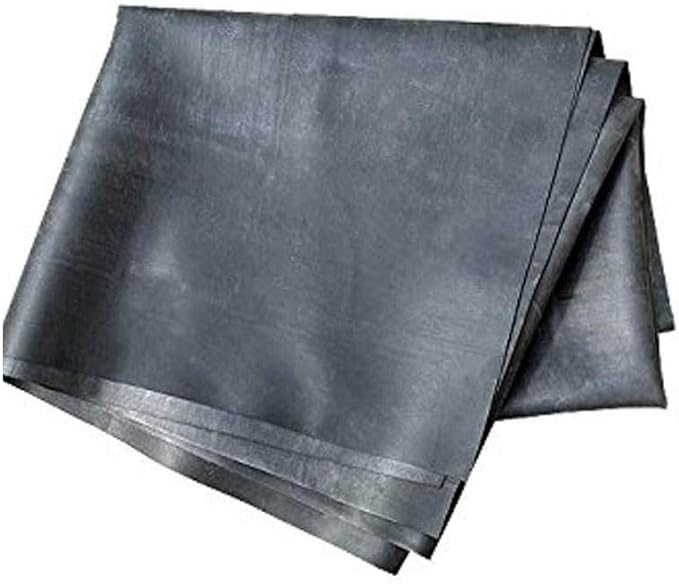
A properly built liner is the foundation all of this sits on, an EPDM rubber liner is the durable, fish-safe standard most keepers build around.
The Koi encyclopedia profile has more on the species itself.
Sources & Further Reading
Last reviewed 28 Jul 2026 · 2 sources
❓ Frequently Asked Questions
How big should a koi pond be?
Plan on roughly 250 gallons per adult, or 10 gallons per inch of body length. The commonly cited practical minimum is 1,000 gallons, which supports only a few fish, so go larger for water stability and healthy growth.
How deep does a koi pond need to be?
3 feet at minimum, and 3 to 5 feet or more is better. Depth buys temperature stability, protection from predators, and survival through a freezing winter; a shallow pond can freeze solid or overheat, both dangerous.
Do koi need a heater or UVB lighting?
No heater in a temperate outdoor pond; in cold climates a de-icer keeps a section ice-free for gas exchange. No UVB either, since koi don't use it for vitamin D the way many reptiles do, though a UV clarifier is common and useful for algae and pathogens, which is water treatment, not lighting.
What's the part of koi pond setup beginners get wrong most often?
Filtration. Koi are heavy waste producers, and mechanical and biological filtration needs to be robust, oversized relative to what you'd use for an equivalent volume of smaller fish, with strong aeration and oxygenation alongside it.
Can koi live in an indoor aquarium?
Only temporarily. An indoor aquarium can technically hold koi, but matching an adult's volume and industrial-grade filtration indoors is expensive and impractical for most keepers, which is why outdoor ponds are the standard.
📰 More on the Koi
🛒 Recommended Gear
As an Amazon Associate, we earn from qualifying purchases through the links above - at no extra cost to you.
Written by Michael Ryan
Mike keeps two rescued bearded dragons, Dex and Cera, and writes the care guides on BeastlyFacts from his own research and mistakes. He is not a veterinarian.
More about Michael Ryan →Comments
No comments yet - be the first!