Common Discus Health Issues (And What Actually Prevents Them)
On This Page▾

Discus have a real reputation for being delicate, and most of what backs that up traces to water quality and stress, just with a narrower margin for error than most fish.
Ich (White Spot Disease)
Small white spots on the skin and gills, usually preceded by flashing against decor, weakness, and appetite loss. Temperature swings are one of the most frequently named triggers. Treatment is quarantine plus raising the temperature, and discus-specific sources go noticeably higher than the standard advice given for other fish, toward roughly 90°F rather than the 82 to 86°F this species already lives at, since discus have less headroom left before hitting ich's own upper survival limit. Daily 50% water changes in the quarantine tank and a copper, formalin, or potassium permanganate treatment round out the protocol.
Hexamita and Hole-in-the-Head Disease
A condition causing pitting, small holes, and erosion around the head and along the lateral line, historically attributed to the flagellate parasite Hexamita, or the closely related Spironucleus. The Merck Veterinary Manual identifies Spironucleus as a lower-intestine parasite in cichlids and related fish, causing weight loss and elevated mortality in fry and juveniles, treated with metronidazole, though it frames this primarily as a wasting condition rather than explicitly naming hole-in-the-head disease. Discus-specialty sources link the visible head and lateral-line symptoms to the same family of parasites, alongside risk factors like long-term activated carbon use, an excess of rich foods like beef heart or bloodworms, and general nutritional or vitamin gaps.
The common hobbyist explanation for hole-in-the-head disease is a calcium-to-phosphorus imbalance in the diet, beef heart in particular gets blamed. A 2019 controlled study in the Journal of Fish Diseases tested this directly: researchers fed discus a diet with a severely unfavorable calcium-to-phosphorus ratio for 16 weeks and found it did not produce hole-in-the-head lesions or measurable bone resorption in that window. That doesn't mean diet is irrelevant, but it does mean the cause is more complicated than the single-factor explanation that circulates in most hobbyist writing, and water quality and stress remain the better-supported levers.
Treat with metronidazole (sold as Fish Zole or MetroPlex) alongside correcting water conditions and diet variety. Catching it early matters, advanced lesions can be genuinely disfiguring and are less likely to fully resolve.

Gill and Skin Flukes
Parasitic flatworms that attach to the gills, skin, or fins, causing labored or rapid breathing, flashing against decor, excess mucus production, and sometimes visible spots on the body. This is a genuinely common problem specifically flagged across discus care sources, more so than for a lot of other community fish, and gill flukes in particular can cause real respiratory distress if left untreated. Praziquantel, flubendazole, or a combination fluke medication are the standard treatments.
Fin Rot and Bacterial Infections
Ragged, receding fins with discolored edges, along with cloudy eyes or abdominal swelling in more advanced bacterial cases, usually traced back to poor water quality or physical injury. A salt treatment is often tried first for mild cases, with a broad-spectrum antibiotic reserved for confirmed bacterial infections that don't respond. As with most conditions on this list, correcting the water quality behind it matters as much as the treatment itself.
The Husbandry Pattern Worth Remembering
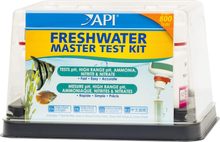
Nearly everything on this list connects back to water quality and stress. Ammonia and nitrite are highly toxic to fish even at low concentrations, and a new, uncycled tank is the single most common setup mistake behind unexplained fish loss, a pattern that holds across species but hits a sensitive fish like discus harder than most. A properly cycled tank, a stable temperature held with a reliable aquarium heater, and frequent, large water changes prevent far more illness than any medication does after symptoms appear. A water test kit lets you catch declining water quality before it becomes a visible problem rather than finding out after the fact.

Most keepers manage the conditions above at home rather than through a clinic visit. Stress from a poorly placed tank or an unsettled social group also weakens the immune response behind several conditions on this list, and picky or refused feeding is often the first visible sign something is off before other symptoms appear.
Check the Discus encyclopedia profile for more.
Sources & Further Reading
Last reviewed 8 Sep 2026 · 6 sources
- Hole in the Head Disease: Head & Lateral Line Erosion in Discus
- Treatment and Causes of Discus Ich
- Common Symptoms and Their Treatments
- Hole-in-the-head disease in discus fish, Symphysodon (Heckel, 1840): Is it a consequence of a dietary Ca/P imbalance?
- Parasitic Diseases of Fish
- New Tank Syndrome: Causes, Signs, and Treatment
❓ Frequently Asked Questions
What causes most discus health problems?
Water quality and stress, the same pattern behind most fish health issues, just with less margin for error. Discus are more sensitive to ammonia, nitrite, and unstable conditions than a lot of hardier community fish, which is why this isn't a species for an uncycled or newly established tank.
What is hole-in-the-head disease in discus?
A condition causing pitting, erosion, and small holes around the head and lateral line, historically linked to the parasite Hexamita or the closely related Spironucleus, along with poor water quality, stress, and nutritional gaps. Treatment centers on metronidazole alongside correcting water conditions, and catching it early matters, advanced cases can be disfiguring.
Does diet cause hole-in-the-head disease?
It's less settled than hobbyist folklore suggests. A controlled 2019 study in the Journal of Fish Diseases fed discus a severely calcium-deficient diet for 16 weeks and found it did not produce hole-in-the-head lesions or bone loss, which pushes back on the common claim that a poor diet alone is the direct cause. Water quality and stress remain the better-supported explanations.
How do you treat ich in discus?
Quarantine and raise the temperature, though discus-specific sources go higher than the standard advice for other fish, up to around 90°F rather than 86°F, since discus already live near the upper end of ich's tolerance range. Daily water changes and a copper or formalin-based treatment during quarantine round out the protocol.
What are flukes, and are they a real risk for discus?
Yes, more so than for a lot of community fish. Gill and skin flukes are parasitic flatworms causing labored breathing, flashing against decor, and excess mucus production, treated with praziquantel or a dedicated fluke medication. Left untreated, gill flukes in particular can cause real breathing distress.
📰 More on the Discus
📘 Discus care guide
🐠 How Much Does Discus Ownership Really Cost?
🐠 Discus Aren't Handled, But They Are Surprisingly Social for a Cichlid
🐠 Discus Tank Setup: Why the Water-Change Routine Matters More Than the Gallon Number
🐠 Discus Feeding: Schedule, Diet, and the Beef-Heart Debate
🐠 Discus Enrichment: A Nervous Cichlid Needs a Group and a Quiet Room
🛒 Recommended Gear
As an Amazon Associate, we earn from qualifying purchases through the links above - at no extra cost to you.
Written by Michael Ryan
Mike keeps two rescued bearded dragons, Dex and Cera, and writes the care guides on BeastlyFacts from his own research and mistakes. He is not a veterinarian.
More about Michael Ryan →Comments
No comments yet - be the first!