Hedgehog Feeding: Schedule, Diet, and Why They Stop Eating
On This Page▾

A pet hedgehog eats once a day, at night, and the amount is small: a few teaspoons of dry food and a few insects. Most feeding problems come from giving too much. Obesity is common in pet hedgehogs, so the food is measured and the hedgehog is weighed.
Feeding Schedule
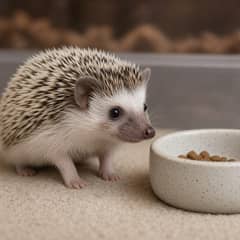
Hedgehogs are nocturnal, so feed once a day in the evening and clear away anything left the next morning. Keep fresh water out around the clock in a bottle or a shallow bowl, and wash your hands after handling the dish or the hedgehog.
How Much to Feed
| Food | Starting amount |
|---|---|
| Dry hedgehog food or cat food | 2 to 4 teaspoons a night |
| Chopped fruit and vegetables | 1 to 2 teaspoons a night, or every other night |
| Insects | 5 to 6 mealworms or 1 to 2 crickets, three or four times a week |
Veterinary references differ on the dry food, and some allow as much as 1 to 3 tablespoons. Start at the teaspoons and let the scale decide.
- Weigh the hedgehog once a week on a kitchen scale that reads in grams and write it down.
- If the weight holds steady and the hedgehog is active, the amount is right.
- If the weight climbs week after week, cut the insects first, then trim the dry food a little.
- If the weight falls, add food, and see a vet if it keeps falling.
Adult males usually weigh 400 to 600 grams and adult females 250 to 400. Portions tend to shrink a little with age and with a less active animal. Hoglets start sampling solid food around 3 weeks old and are weaned by 4 to 6 weeks.
What Hedgehogs Eat
Wild hedgehogs eat mostly insects, with slugs, snails and the odd small animal. The pet diet copies that with a dry base and insects on top.
The dry base. Use a food made for hedgehogs, such as a complete hedgehog diet, or a high-quality, low-fat cat food. A weight-management cat food works. On the label, look for:
- Protein of 30 to 50%
- Fat of 10 to 20%
- A named meat as the first ingredient, as in a chicken-first adult cat food
Insects. Crickets, mealworms, dubia roaches and earthworms are all suitable. Gut-load them first: feed the insects a nutritious diet, such as a complete cricket diet, for a day or two before you offer them. Insects are a supplement to the dry food and should not replace it. Skip waxworms, which are too fatty.
Fruit and vegetables. Small amounts of apple, pear, banana, peas and cooked carrot. Cook or soften hard vegetables, because hard pieces can lodge in a hedgehog's mouth.
Hedgehogs do not eat hay. They are insect eaters, and hay is of no use to them as food.
Some owners offer an occasional pinkie mouse as extra animal protein, or a little freeze-dried chicken liver to tempt a shy eater.
Foods to Avoid
- Avocado. It is toxic to hedgehogs.
- Milk and dairy. Hedgehogs cannot digest milk, and it gives them diarrhea.
- Raw meat and raw eggs. Both carry a Salmonella risk.
- Eggs in general. Veterinary references disagree on cooked egg, so leave it out.
- Nuts, seeds and hard raw vegetables such as uncooked carrot. They can get stuck in the mouth.
- Waxworms. Too much fat.
- Lettuce and celery. Not harmful, but close to empty, and they fill a small stomach that needs real food.
A wild hedgehog is an opportunist with a high tolerance for toxins. It has been recorded eating scorpions and even small venomous snakes. A pet hedgehog has the same appetite and none of the exercise, which is why the food gets measured.
Why Hedgehogs Stop Eating
- New-home stress. Eating little for the first few days after a move is common, and the stool may be loose for a while. Check the droppings, not the bowl, to confirm a shy new hedgehog is eating at all.
- Quilling. Nest spines are shed at about a month old, and each permanent spine lasts up to about 18 months. Quilling makes a hedgehog grumpy and less active, but it should not stop it eating. Refusing food for more than 24 hours during quilling is a vet call.
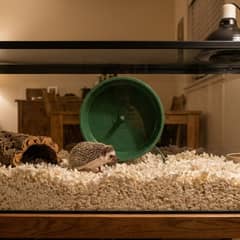
- Cold. A hedgehog kept below about 68°F can go torpid, and a torpid hedgehog does not eat. Holding the enclosure at 75 to 85°F prevents it.
- Dental disease. Gum disease, loose teeth, or something lodged in the mouth all reduce eating, often with drooling, bad breath, or chewing on one side.
- Tumors. Cancer is extremely common in pet hedgehogs. Studies have found tumors in roughly a third to well over half of the hedgehogs examined, and a tumor in the mouth makes eating painful.
- General illness. Gut upset, parasites, chest infection or organ disease all suppress appetite, usually with other signs such as diarrhea or breathing changes.
- Water problems. Some hedgehogs refuse a bottle, a bowl, or unfamiliar-tasting tap water, and a clogged bottle can put one off its food. Check that the spout flows.
When to Worry
A hedgehog that has not eaten or drunk for a full 24 hours needs a vet. A new arrival gets the same 24 hours: check its droppings before deciding it is only nerves.
Go sooner if a skipped meal comes with any of these:
- Lethargy or weakness
- Wobbling or loss of balance
- Open-mouth or labored breathing
- A body that feels cold
- Drooling, bad breath, or dropping food
- Weight that keeps falling
The signs of illness in a hedgehog are vague, and a poor appetite is often the first one.
Measure, Weigh, Adjust
A hedgehog's meal fits in the palm of your hand. Measure it every night, weigh the hedgehog every week, and change the amount by what the scale shows. That habit prevents obesity, which is common in pet hedgehogs, and it catches a lost appetite on the first day.
Sources & Further Reading
Last reviewed 16 Nov 2026 · 6 sources
- VCA Animal Hospitals: Hedgehogs, Feeding
- LafeberVet: Basic Information Sheet: African Pygmy Hedgehog
- PetMD: What Do Hedgehogs Eat
- Merck Veterinary Manual: Management of Hedgehogs; Diseases of Four-Toed (African Pygmy) Hedgehogs
- Royal Veterinary College: African Pygmy Hedgehog Care (PDF, downloads)
- Animal Diversity Web: Atelerix albiventris

A routine chart and equipment log you can fill in for your own setup. The Universal Pet Kit has it, among 19 forms for any pet that you can type into or print.
Frequently Asked Questions
When should I feed my hedgehog?
In the evening, once a day, since hedgehogs wake and eat at night. Clear the leftovers the next morning and keep water out all the time.
How much food should I give?
Begin with 2 to 4 teaspoons of dry food a night plus 1 to 2 teaspoons of chopped produce. Weigh the hedgehog weekly and change the amount if the number drifts up or down.
Should insects be a big part of the diet?
No. A few gut-loaded insects three or four times a week sit on top of the dry food, and they are the first thing to cut if the hedgehog is gaining weight.
Why has my hedgehog stopped eating?
A recent move, a cold enclosure, sore teeth and illness are the usual reasons. Look at the droppings to see whether a shy hedgehog is eating when you are not watching.
How long can a hedgehog go without eating?
A full day is the limit before calling a vet, and that includes a hedgehog that has just come home.
What foods are dangerous for hedgehogs?
Avocado is toxic, milk causes diarrhea, and raw meat or raw egg can carry Salmonella. Nuts, seeds and hard raw vegetables can lodge in the mouth.
Recommended Gear
As an Amazon Associate I earn from qualifying purchases through the links above, at no extra cost to you.

Written by Michael Ryan
Mike keeps two rescued bearded dragons, Dex and Cera, and writes the care guides on BeastlyFacts from his own research and mistakes. He is not a veterinarian.
More about Michael Ryan →You May Also Like

Subscribe - it's free
An occasional email when something new is worth your time. No spam.
Health and More