How Much Does a Sugar Glider Cost?
On This Page▾

Sugar gliders are moderately priced to buy. The first decision with this species is not financial, though. It is legal, and it needs to be settled before you budget a dollar.
Where They're Legal (Check This First)
Sugar gliders are illegal statewide in California, Alaska and Hawaii. Pennsylvania bars them with no pet permit path, and the District of Columbia and New York City ban them. New Jersey requires a permit, and New Mexico an import permit. Several states named as bans online are not, and the rule text behind each one shows which. Laws change and vary by locality. Verify current rules with your state wildlife agency and local animal control before you commit to buying.
The Gliders: $200 to $500 Each, and You Need Two
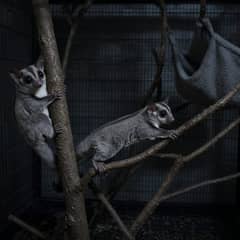
Standard gray gliders run toward the lower end, and named color morphs cost more. Rescue gliders run $50 to $200. Whatever the source, choose a young glider that is curious and in good body condition, with eyes and nose clear of any discharge. Sugar gliders are social animals that live in groups, and they do best in compatible pairs or small groups rather than as single pets. Budget for a bonded pair or a small same-sex group from the start, which doubles this line.
Buying one sugar glider now and a second one later works against this species. Gliders kept in pairs settle and bond with their keeper more readily than solitary animals, because isolation itself slows the trust-building. The pair is a welfare need as much as a cost line.
Upfront Setup: $380 to $800 for a Pair
| Item | Cost Range |
|---|---|
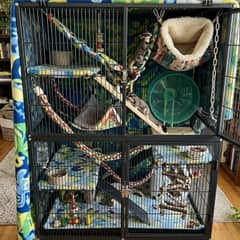
| Tall cage for a climbing pair, 36 by 24 by 36 in or larger, bars no wider than 1/2 in, PVC- or powder-coated wire (check the dimensions and coating before you buy) | $200 - $400 |
| Accessories: hides, dishes, enrichment | $50 - $150 |
| Glider-safe, axle-free exercise wheel | $45 - $65 |
| A bonding pouch and a sleeping pouch | $20 - $40 |
| First supply of a formulated glider diet | $15 - $20 |
| Calcium and vitamin D3 multivitamin made for gliders | $15 - $25 |
| Water bottle and food dishes | $5 - $15 |
| Paper-based bedding for the tray | $15 - $30 |
| Digital thermometer for the cage | $10 - $35 |
| Kitchen scale that reads in grams for weighing portions | $5 - $20 |
| Setup total | $380 - $800 |
Typical price ranges across retailers.
The cage is the line not to cut corners on. Buy PVC-coated or powder-coated wire, since galvanized wire carries a risk of heavy metal poisoning. The bonding pouch in the table is essential for taming.
A house that stays below about 75°F needs supplemental heat, which puts a heat emitter in the budget:
| Extra | Cost Range |
|---|---|
| Ceramic heat emitter, for a house that runs below 75°F | $20 - $60 |
Typical price ranges across retailers.
Ongoing Costs: Roughly $30 to $60 a Month
A balanced staple diet, such as a commercial food formulated for sugar gliders, is the main recurring expense. Getting the balance right matters more for this species than for almost any other pet: roughly a third each of kibble, nectar mix and insects.
The monthly figure covers more than the staple food:
- Produce. Finely chopped fruit and vegetables make up a small share of the diet.
- Insects. Calcium-loaded crickets or mealworms supply part of the protein, dusted with calcium powder or gut-loaded on calcium-rich food before they go in the dish.
- Bedding. Paper bedding, replaced in full at each weekly clean.
- Cleaning. A nontoxic cleaner for the weekly clean, and regular washes for the fleece pouches.
- Water bottles. Keep one or two spares so you can swap out the day's bottle and scrub the spout.
- Heat. In a cool house, the electricity for the heat emitter through the winter.
Vet Costs
Book the first exam within 48 hours of bringing the gliders home, with a vet experienced with sugar gliders. Sellers often void their health guarantee without it, so count that visit as part of the purchase cost. The Association of Exotic Mammal Veterinarians keeps a find-a-vet directory of vets with an interest in small mammals. The vet may recommend a fecal test for parasites. After that, plan on a checkup at least once a year, and some vets recommend one every 6 to 12 months. An exotic vet visit runs $75 to $200.
Neutering is recommended for male sugar gliders, and it runs $100 to $200. Pet sugar gliders do not routinely need vaccinations, so there is no vaccine line in the budget.
Budget at least $200 for unexpected care, and more if you can, since a single exam can cost that much. Sugar gliders can decline quickly when something goes wrong nutritionally, and they hide illness well, so a problem is often further along by the time you see it.
Lifespan
Sugar gliders live 10 to 15 years in captivity with proper care, often 12 to 15. The oldest reported glider lived to almost 18 years.
Budgeting for Two Gliders and Fifteen Years
Settle the legal question first, then price everything for a pair. The monthly diet and the yearly checkup run for as long as the gliders live, which can be 15 years. Set aside the emergency fund before the gliders come home, since a nutritional problem moves fast in this species.
Sources & Further Reading
Last reviewed 15 Nov 2026 · 4 sources
- VCA Animal Hospitals: Sugar Gliders, Owning
- PetMD: How Long Do Sugar Gliders Live?; Sugar Gliders, A Pet Parent's Guide to Habitats, Food, and Care
- Merck Veterinary Manual: Sugar Gliders (professional version); Providing a Home for a Sugar Glider
- Tree of Life Exotic Pet Medical Center: Sugar Glider Care; Nutritional Secondary Hyperparathyroidism in Sugar Gliders

Put these numbers in a budget you can fill in. The Universal Pet Kit has it, among 19 forms for any pet that you can type into or print.
Frequently Asked Questions
How much does a sugar glider cost to buy?
$200 to $500 each, and since sugar gliders should never be kept alone, budget for a pair from the start. Standard gray gliders run toward the lower end of that range, named color morphs cost more, and rescue gliders run $50 to $200.
Are sugar gliders legal everywhere?
No. Alaska, California, Hawaii and Pennsylvania bar them as pets, as do the District of Columbia and New York City. Other states and specific cities can add their own restrictions, so verify current rules with your state wildlife agency and local animal control before you buy.
What does a sugar glider setup cost upfront?
Roughly $380 to $800 for a pair. That covers a tall cage, a glider-safe wheel, bonding and sleeping pouches, hides and dishes, and the first diet and supplements.
How much does it cost to feed sugar gliders per month?
About $30 to $60 a month, sometimes more. The balanced staple diet is the main recurring expense, with produce, insects and bedding on top.
How long do sugar gliders live, and how does that affect budgeting?
10 to 15 years in captivity with proper care, often 12 to 15. Two gliders on a special diet for that long is a commitment to plan for before you buy.
More on the Sugar Glider


Recommended Gear
As an Amazon Associate I earn from qualifying purchases through the links above, at no extra cost to you.

Written by Michael Ryan
Mike keeps two rescued bearded dragons, Dex and Cera, and writes the care guides on BeastlyFacts from his own research and mistakes. He is not a veterinarian.
More about Michael Ryan →You May Also Like



Subscribe - it's free
An occasional email when something new is worth your time. No spam.
Deep Dive
Health and More