Common Sugar Glider Health Issues (Diet Drives Almost Everything)
On This Page▾

Sugar glider health comes down to nutrition more than nearly any other factor. Get the diet right and this is a hardy exotic pet. Get it wrong, and problems can appear with alarming suddenness.
Spotting Illness Early
Sugar gliders are small and hide illness well, and their signs are often vague. By the time a glider looks sick, the problem is usually well along. Get veterinary care promptly if a glider:
- Eats less than usual
- Loses weight
- Becomes weak or reluctant to climb
- Is cold, limp or unresponsive, and stays that way after you warm it gradually
- Has abnormal droppings, or a wet cloaca
- Shows any change in its eyes
- Has a lump, a wound, or a toe or tail that looks swollen
A lump on the jaw, pus-filled sores, or a head tilt with loss of coordination can each mean a life-threatening infection, so do not wait out any of them.
When It Is an Emergency
Go to a vet immediately, day or night, for any of these:
- Trouble breathing
- A traumatic injury
- A seizure or collapse
- Refusing all food or water
- Straining to urinate, being unable to urinate, or blood in the urine
A glider this small dehydrates fast. Dehydration can become life-threatening within 10 to 12 hours, so a glider that will not drink cannot wait until morning.
Metabolic Bone Disease (Nutritional Secondary Hyperparathyroidism)
This is the most common serious health issue in captive sugar gliders, and it is almost entirely diet-driven. The causes are low dietary calcium, an imbalanced calcium-to-phosphorus ratio, or too little vitamin D3. The usual diet behind it is too heavy in insects or fruit without proper supplementation.
Watch for hind-limb weakness progressing toward paralysis, trembling, difficulty or reluctance to climb, pain when handled, limping and loss of appetite. Fractures or seizures mark advanced cases.
A glider on a poor diet can appear completely normal right up until it is found paralyzed at the bottom of its cage. There is often little warning before the crisis, so prevention through a balanced diet matters far more than watching for symptoms. Call the vet right away at the first sign of weakness, trembling, limping or refusal to eat.
The vet confirms it with X-rays, which show thinning bone or fractures, and bloodwork that measures calcium and phosphorus. Treatment is cage rest, to limit climbing and gliding while the bones heal, along with oral calcium, a carefully dosed vitamin D3, pain relief and a diet fix. Mild cases often improve with treatment. Severe cases can leave permanent deformities or become life-threatening, and pneumonia and seizures can follow.
Prevention works better: feed a properly balanced diet such as a commercial sugar glider diet from the start.
Once you know calcium deficiency is the big risk, it is tempting to add more calcium on top of the dusted insects and the staple diet. Don't. Calcium overdose is also dangerous for this species. The answer is a properly calculated, balanced diet. If you are unsure, consult an exotic vet familiar with sugar glider nutrition before you settle on a feeding plan.
Malnutrition and Obesity
Obesity comes from diets imbalanced in the other direction: too much fat or sugar relative to everything else, with too little exercise. It raises the risk of heart and liver disease. Simple weight gain is handled at home with diet correction.
Long-term malnutrition does quieter damage. It can harm the liver and kidneys, and a diet short on protein can cause low blood protein and anemia. Weakness, thinness, dehydration, pale gums or bruising mean a vet visit.
Self-Mutilation
Chewing at their own skin or tail is most common in lonely or stressed gliders, particularly intact solitary males. It follows from the species' social needs: isolation is a risk factor in its own right. See a vet, and deal with the loneliness or stress alongside any medical treatment. Neutering intact males is commonly recommended as part of prevention.
Dental Disease and Jaw Abscesses
A diet heavy in soft, sugary food builds tartar and leads to dental disease. Insects with hard exoskeletons scrape some of that tartar off as the glider chews, one more reason live insects belong in the protein share. Bad teeth, gum injuries and infections can all seed a bacterial abscess in the jaw. It shows up as swelling on the face or neck, sometimes with pus. Untreated, a jaw abscess can kill a glider. Take any lump along the jaw or neck to the vet, who can culture the bacteria and choose the right antibiotic.
Diarrhea, Parasites and Constipation
Diarrhea and vomiting are signs of something else, not diseases in themselves. In sugar gliders the usual suspects include the parasites Cryptosporidium, Giardia and Trichomonas, which also cause weight loss, cramps and dehydration. Some of them can infect people.
- Check for wetness around the cloaca, the single opening for waste and reproduction. A wet cloaca can mean diarrhea.
- Separate a sick glider from its cagemates.
- Clean the cage thoroughly.
- Take a fresh stool sample to the vet for testing.
- Wash your hands after handling the sick glider.
Constipation runs the other way: small, hard droppings or none at all. Dehydration, too little fiber, stress and lack of exercise are the common causes, and like diarrhea it points to an underlying problem. If droppings stay small or stop for a day, see a vet.
Fleas and mites are uncommon on gliders kept indoors and well cared for, though wild nests often carry them. Check the coat for fleas during handling, and let the vet choose a treatment that is safe for a glider.
Infections From Other Pets
Two serious infections reach gliders from the household's other animals.
- Pasteurellosis comes from Pasteurella multocida, carried by rabbits. It causes pus-filled sores and can be fatal without prompt antibiotics. Keep gliders away from pet rabbits.
- Toxoplasmosis comes from cat feces or undercooked meat. Signs include loss of coordination, tremors, head tilt, diarrhea, weight loss and low body temperature, and it can cause sudden death. Keep gliders away from cat litter, wear gloves when you change the litter, and feed only thoroughly cooked meat. It can infect people too, and it is dangerous in pregnancy.
Eye Injuries and Cataracts
Eye injuries usually come from fights, during mating periods or when a new adult joins the group. They range from scratched corneas to ulcers and conjunctivitis. Cataracts also occur and can lead to blindness. Have any change in a glider's eyes checked by a vet.
Injuries to the Gliding Membrane, Tail and Toes
A sugar glider's gliding membrane stretches from the wrist of each front leg to the ankle of the back leg on the same side. Spread wide, it carries the glider as far as about 165 feet between trees in a single glide.
The gliding membrane, or patagium, is thin skin, and damage to it can heal with scarring that shrinks the membrane and limits movement. Injuries from fights, falls, self-mutilation or a thread or fiber wrapped tight around a toe or tail can end in amputation of the tail, toes or a limb when they are caught late. Check toes, tail and membrane whenever you handle a glider, and replace frayed pouches before a loose thread becomes a tourniquet.
Tumors, Urinary Problems and Other Conditions
Tumors are relatively common in sugar gliders, in the spleen, liver, kidneys, pouch, jaw and lymph nodes. Lymphoma can be fatal, while some other tumors can be removed surgically. A new lump anywhere is a vet visit.
Male gliders can develop urinary stones that block the urethra, which may need surgery to relieve.
Vets also see stress-related hair loss, bacterial enteritis, cloacal or rectal prolapse, pouch infections and mastitis in females, urinary tract infections and pneumonia.
What Neutering Involves
Castration is the routine surgery for male gliders and is recommended for any male housed with other gliders of either sex. It prevents breeding, reduces sexual frustration, and removes one of the triggers for self-mutilation, which intact males are prone to. An exotics vet can do it at any age, and the surgery runs $100 to $200. The glider goes under gas anesthesia, the testicles are removed together with the scrotal sac, and the skin is closed with buried stitches and tissue glue, because gliders chew at anything they can reach on an incision. A cone collar for the first days and a warm, quiet recovery are standard.
Spaying is a different matter. The female's two uteri sit behind the pouch where they are hard to reach, so it is not routine. In a mixed pair it is the male who is neutered.
What a Checkup Involves
Plan on a veterinary exam at least once a year with a vet experienced with sugar gliders, and some vets recommend one every 6 to 12 months. A typical visit runs like this:
- The vet watches the glider move around its cage or carrier before touching it.
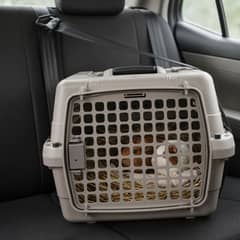
- A calm glider is examined wrapped in a small towel and cupped in the palm. Bring it in its pouch.
- The vet checks the mouth for broken teeth, abscesses and tartar, feels the major joints, and looks over the toes and nails for injury.
- A stool sample is checked for parasites, so bring a fresh one.
- Dental cleaning is done when the teeth need it.
Book the appointment early in the day if you can, since vets prefer to examine gliders then. A female carrying joeys in the pouch should not go under anesthesia, so tell the vet if you suspect one.
Keeping People Healthy
Some of the bacteria and parasites sugar gliders carry can also infect people, and a glider can carry them while looking healthy.
- Wash your hands with soap and running water after handling a glider or cleaning its cage, pouches and dishes.
- Do not kiss a glider or hold it against your face.
- Clean cage equipment away from the kitchen.
- Take extra care around children under 5, adults over 65 and anyone with a weakened immune system.
If a bite breaks the skin, wash it with warm, soapy water straight away, and see a doctor if it is deep or becomes infected.
Sugar gliders count as geriatric from about 5 to 7 years of age. Keep the yearly exams going, and have any change in an older glider checked.
Balance Before Supplements
Most of what goes wrong with a sugar glider starts in the food dish, and much of it gives little warning. Feed a balanced staple diet from day one and keep the pair together. Treat hind-limb weakness, trembling or a lump on the jaw as a reason to call the vet that day.
Sources & Further Reading
Last reviewed 15 Nov 2026 · 6 sources
- Merck Veterinary Manual: Disorders and Diseases of Sugar Gliders; Overview of Sugar Gliders; Sugar Gliders (professional version); Providing a Home for a Sugar Glider; Routine Health Care of Sugar Gliders
- VCA Animal Hospitals: Sugar Gliders, Owning; Sugar Gliders, Feeding
- Tree of Life Exotic Pet Medical Center: Nutritional Secondary Hyperparathyroidism in Sugar Gliders; Sugar Glider Care
- LafeberVet: Sugar Glider Basic Information
- PetMD: Sugar Gliders, A Pet Parent's Guide to Habitats, Food, and Care; When Should You Take a Sugar Glider to the Vet?
- CDC: Healthy Pets, Small Mammals

Log weight, feeding and meds, so your vet has the full picture. The Universal Pet Kit has it, among 19 forms for any pet that you can type into or print.
Frequently Asked Questions
What is the most common serious health issue in captive sugar gliders?
Metabolic bone disease, also called nutritional secondary hyperparathyroidism. Diet drives almost all of it: too little calcium, a calcium-to-phosphorus ratio out of balance, or not enough vitamin D3, typically off a diet heavy in insects or fruit without supplementation.
What are the warning signs of metabolic bone disease in a sugar glider?
Weak back legs, tremors and reluctance to climb come first, and fractures or seizures follow in advanced cases. Call the vet at the first of these, since paralysis can arrive with little notice.
What causes malnutrition and obesity in sugar gliders?
Too much fat or sugar, too little exercise, or too little protein over time. Simple weight gain is handled at home with diet correction, but weakness, thinness, pale gums or bruising mean a vet visit.
What is self-mutilation in sugar gliders, and how do you prevent it?
It is a lonely or stressed glider chewing its own skin or tail, most often an intact solitary male. A vet visit and fixing the loneliness or stress address it, and neutering intact males helps prevent it.
Is it safe to just add extra calcium to a sugar glider's diet to prevent bone disease?
No. Too much calcium is harmful as well. A calculated, balanced diet is what prevents bone disease, so check any supplement change with an exotic vet.
More on the Sugar Glider
Recommended Gear
As an Amazon Associate I earn from qualifying purchases through the links above, at no extra cost to you.

Written by Michael Ryan
Mike keeps two rescued bearded dragons, Dex and Cera, and writes the care guides on BeastlyFacts from his own research and mistakes. He is not a veterinarian.
More about Michael Ryan →You May Also Like


Subscribe - it's free
An occasional email when something new is worth your time. No spam.
Deep Dive
Health and More