How Much Does Ember Tetra Ownership Cost?
On This Page▾

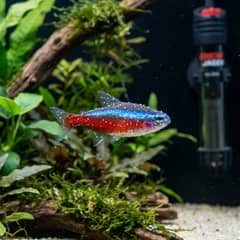
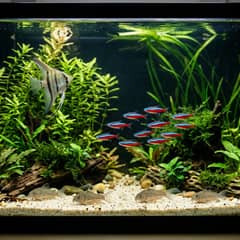
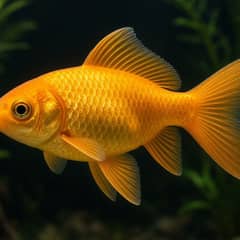
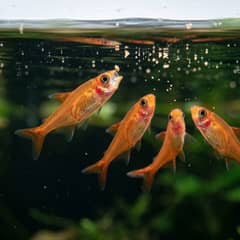
A school of ten ember tetras costs less than the tank it swims in. Each fish is an orange characin about 0.8 inch (2 cm) long from the Araguaia River basin of central Brazil, and it is kept in groups. Nobody buys one. The purchase is a school, and most of the budget goes into the planted tank, the spare tank beside it and, for fish ordered online, the shipping.
The Fish: $25 to $35 for a School of 10
Online sellers list ember tetras at about $2.50 to $3.50 a fish before shipping, with the per-fish price dropping in larger packs. The recommended purchase is a minimum of 8 to 10, and 10 is the number to price: a school of 10 comes to $25 to $35 before shipping, which is charged on top.
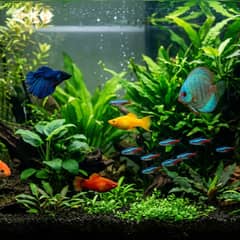
That lands the ember in the same bracket as a school of cardinal tetras, which are also priced at a group of 10.
Buy the whole school at once. Every batch of new fish spends its own 30 days in quarantine before it joins the display, so ten fish bought together go through one wait, and the same ten bought in threes and fours go through three.
The ember tetra goes by several names in the trade. Shops also sell it as the fire tetra, the red tetra, the dwarf red tetra and Amanda's tetra, so any of those labels on a tank can mean the same fish. The scientific name on the label, Hyphessobrycon amandae, settles it.
Source: Seriously Fish
Upfront Setup: $115 to $265 for a Planted 10 Gallon
| Item | Cost Range |
|---|---|
| 10 gallon tank with an 18 x 12 inch footprint | $15 - $80 |
| Aquarium heater | $15 - $30 |
| Gentle filter | $5 - $20 |
| Dense live plants | $15 - $30 |
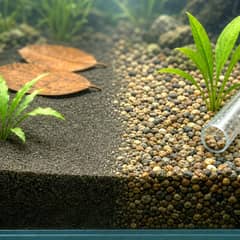
| One 15.4 lb bag of black sand that leaves the pH alone (check the quantity against your tank's floor) | $30 - $40 |
| Liquid water test kit | $25 - $40 |
| Water conditioner that neutralizes chlorine and chloramine | $5 - $15 |
| First supply of micro pellets | $5 - $10 |
| Setup total | $115 - $265 |
Typical price ranges across retailers.
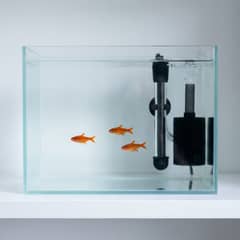
A 10 gallon tank with an 18 x 12 inch (45 x 30 cm) footprint is the size priced here for a school of 10.
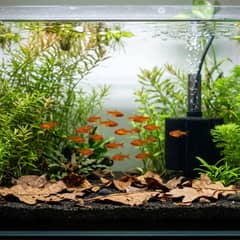
Every other line follows from where the fish comes from. Embers are tropical and kept at 75 to 82°F (24 to 28°C), so the heater is not optional. Filtration only needs to be gentle, which a small sponge filter covers. Dense planting and a dark floor suit them best, which is why the sand in the table is a black one, and a few floating plants help on top.
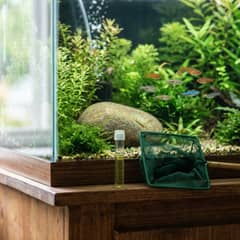
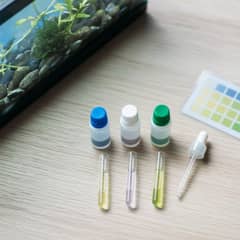
The liquid test kit earns its place twice. It confirms the tank has finished cycling before the school goes in, which is a reading on a kit and not a number of days: ammonia and nitrite are tested until neither registers. Fish added before that point tend to turn lethargic, stop eating and often die, and replacing a school costs more than the kit. The kit also reads pH, and embers come from soft, weakly acidic water: a pH of 5.0 to 7.0 and a hardness of 1 to 10 dGH. Hardness takes a separate GH test, and what does and does not move GH and KH decides whether soft water is worth chasing for a given tap.
The Extras: A Spare Tank for Quarantine
| Extra | Cost Range |
|---|---|
| Bare 10 gallon tank for quarantine, with no substrate or decor | $15 - $30 |
| Heater for the quarantine tank | $15 - $30 |
| Sponge filter for the quarantine tank | $5 - $20 |
| All the extras together | $35 - $80 |
Typical price ranges across retailers.
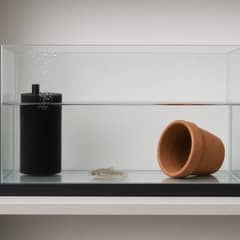
New fish get 30 days in a separate tank before they join the display. Thirty days is the minimum, and a longer stay is sometimes needed. The rule holds wherever the fish come from: a local store, an online seller or another keeper. The tank stays bare, with no substrate or decor, and the fish quarantine guide covers how to run it.
The same tank is where an ich outbreak gets treated. The ember's 82°F ceiling rules out the heat cure, so a bottle of salt or medication is the likely cost of one.
The quarantine tank keeps earning its place after the first school. Each new batch, whether two replacement fish or a second group of ten, restarts the 30-day clock, and the display school waits until it runs out. With a lifespan of about 2 to 4 years, a school gets topped up or replaced well within the life of the equipment, so this tank gets used again.
Buying Checklist: What Healthy Stock Looks Like
A healthy ember looks the same in a store tank as in a home one. Check the fish, and then check the tank they share.
| What to check | Buy | Walk away |
|---|---|---|
| Skin and scales | Smooth and unblemished | Spots, patches or sores |
| Fins | Intact | Bloody or ragged |
| Eyes | Bright | Cloudy |
| Swimming | Steady, moving normally around the tank | Circling, drifting or listless |
| The tank itself | Clean, with healthy-looking fish around them | Dirty, or holding fish that look sick |
Color varies with sex. Adult males are the more intensely colored fish, especially in spawning condition, and females are rounder in the body, so a school with a few duller, plumper fish in it is a normal mix.
The checklist does not replace the quarantine tank. It decides which fish go into it.
Shipping Fish Online
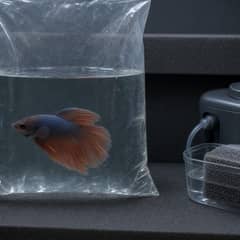
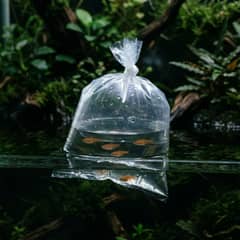
Ordering online skips the store tank and swaps it for hours in a bag. On a long trip, ammonia builds up from the fish's own waste and pH drops as carbon dioxide accumulates. That is why a shipped school goes into a dark room on arrival, with the tank lights off, and why tank water is mixed into the bag a little at a time over 30 to 60 minutes. The bag water itself goes down the drain, never into the tank.
Ongoing Costs: Food, Conditioner and Test Kit Refills
Embers are micropredators of tiny invertebrates and zooplankton, with small mouths suited to tiny, slow-sinking food. The staple is a micro pellet or a flake crushed fine, and the first supply in the table runs $5 to $10. Dry food kept at room temperature should be discarded 2 months after it is opened, so that pot is a purchase every two months whether or not ten fish have finished it, and a small container is a better buy than a large one.
Small live or frozen foods such as baby brine shrimp and moina round out the diet, which adds a small recurring cost on top of the pellets. Frozen food keeps for up to a year in the freezer, and thawed food should not be refrozen, so a cube comes out only when it is about to be fed.
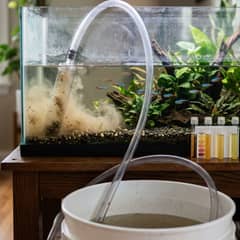
Water conditioner at $5 to $15 a bottle, a little electricity for the heater, filter and light, and test kit refills make up the rest. The heater and light add to the power bill every month, by an amount that depends on the equipment and the room. Conditioner goes into every change, so the water change schedule a tank runs on is what sets how often a new bottle is needed.
Vet Costs
Rarely a line item. A school of embers is kept healthy through water quality and, when needed, over-the-counter treatment, dosed in the quarantine tank priced above. When fish start dying, the signs that separate a water problem from a disease decide whether the next spend is a water change, a medication, or a visit to a vet who treats fish.
Lifespan
Ember tetras live about 2 to 4 years in captivity. That is short for the money spent on the tank: the heater, filter, test kit and planted 10 gallon all outlast the first school and can house the next one.
Sources & Further Reading
Last reviewed 1 Nov 2026 · 3 sources
- Hyphessobrycon amandae (Ember Tetra), Seriously Fish
- Merck Veterinary Manual: Selection of Fish; Management of Aquarium Fish; Nutritional Diseases of Fish
- Ember Tetra 101, Aquarium Source

Put these numbers in a budget you can fill in. The Universal Pet Kit has it, among 19 forms for any pet that you can type into or print.
Frequently Asked Questions
How much do ember tetras cost?
About $2.50 to $3.50 a fish from online sellers before shipping, a little less per fish in bigger packs. They are bought as a school of 10 or more, and 10 fish come to $25 to $35 before shipping.
What does an ember tetra tank setup cost?
Expect $115 to $265 for a 10 gallon tank with an 18 x 12 inch footprint, a heater, a gentle filter, dense live plants, dark sand, a liquid test kit, water conditioner and the first micro pellets. A bare quarantine tank with its own heater and filter comes on top.
Do ember tetras need a heater?
Yes. Ember tetras are tropical fish kept at 75 to 82°F (24 to 28°C), so a heater belongs in the setup. 82°F is also their ceiling, so an ich outbreak is treated with salt or medication and the heater goes no higher than 82°F.
How long do ember tetras live?
About 2 to 4 years in captivity. The tank, heater and filter bought for the first school can house the next one.
Do ember tetras need a quarantine tank?
Yes. New fish spend 30 days in a bare 10 gallon tank with its own heater and sponge filter before joining the display, and the same tank becomes the hospital tank when ich turns up, since embers are treated with salt or medication rather than heat.
What should I look for when buying ember tetras?
Smooth, unblemished skin, fins that are intact and not bloody or ragged, bright eyes and steady swimming. The tank they come from should be clean and its other fish should look healthy. Males are brighter than females, so a few duller, rounder fish in a school is normal.
Does it cost much to add more ember tetras later?
The fish are cheap, but every new batch spends its own 30 days in the quarantine tank before it joins the school.
More on the Ember Tetra
Recommended Gear
As an Amazon Associate I earn from qualifying purchases through the links above, at no extra cost to you.

Written by Michael Ryan
Mike keeps two rescued bearded dragons, Dex and Cera, and writes the care guides on BeastlyFacts from his own research and mistakes. He is not a veterinarian.
More about Michael Ryan →You May Also Like
Subscribe - it's free
An occasional email when something new is worth your time. No spam.
Deep Dive
Health and More