Common Axolotl Health Issues (Most Trace Back to Temperature)
On This Page▾

Axolotls are hardy in the right conditions and surprisingly fragile outside them. A large share of what goes wrong traces back to water that's too warm, which makes temperature control the single most important thing to get right.
Fungal Infection
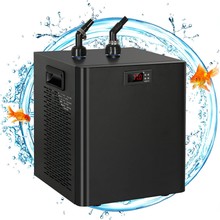
Shows up as a white or grey, cotton-like growth on the gills or body. It's typically triggered by warm water, poor water quality, stress, or an existing injury that gave the fungus an opening. Treatment starts with correcting water quality and cooling the tank down with the help of a chiller, and salt baths can help. Severe cases need a vet-prescribed antifungal.
Impaction
Caused by ingesting gravel or substrate that's too large to pass. Look for bloating, floating instead of resting on the bottom, appetite loss, and an absence of waste. Mild cases sometimes resolve with fasting and cooler water under a vet's guidance, but severe impaction can require surgical intervention. This is almost entirely preventable by using only fine sand or a bare-bottom tank.
Ammonia and Nitrite Burns
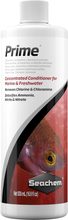
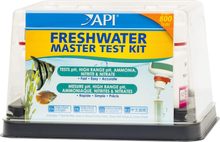
Red, inflamed patches on the skin or gills, usually from an uncycled or poorly maintained tank. Water changes and a dechlorinator correct this, but the underlying fix is making sure your tank is properly cycled and regularly checked with a water test kit before you rely on it. Our guide to keeping axolotl water cold and clean covers the water change routine that keeps those readings at zero in the first place.
An axolotl's gills are a surprisingly good early warning system. They tend to curl or angle forward under heat stress well before more obvious signs like appetite loss ever show up, which makes them worth checking daily, not just when something already looks wrong.
Heat Stress
This is the condition that ties back to temperature most directly, and it's worth taking seriously. Watch for curled or forward-facing gill tips, appetite loss, floating, and pale patches on the skin. Extended exposure above roughly 72°F starts to suppress the immune system, and temperatures above about 75°F can be fatal.
When to See a Vet
Find an aquatic or exotic-amphibian vet before you need one, general small-animal clinics often aren't equipped for this species. See a vet promptly for fungal growth that hasn't improved within 48 hours of correcting water quality, suspected impaction, red streaking or open wounds that suggest a bacterial infection, or appetite loss lasting 5 days or more.
Most of what shows up on this list traces back to a setup issue rather than bad luck, which is worth remembering the next time the water looks a little warmer than usual. Overfeeding and the wrong food are common triggers too. Check the Axolotl encyclopedia profile for more.
An axolotl heals most of this with little or no scar tissue, a trick the axolotl Beastfile covers.
Sources & Further Reading
Last reviewed 18 Jul 2026 · 3 sources
❓ Frequently Asked Questions
What does a fungal infection look like on an axolotl?
A white or grey, cotton-like growth on the gills or body, usually triggered by warm water, poor water quality, stress, or an existing injury. Treatment starts with correcting water quality and cooling the tank, with salt baths sometimes helping, though severe cases need a vet-prescribed antifungal.
What is heat stress in axolotls and how serious is it?
It's the condition most axolotl health problems trace back to. Watch for curled or forward-facing gill tips, appetite loss, floating, and pale patches, extended exposure above roughly 72°F suppresses the immune system, and temperatures above about 75°F can be fatal, so dropping the water temperature immediately is the priority.
What causes impaction in axolotls?
Swallowing gravel or substrate too large to pass. The signs are bloating, floating instead of sitting on the bottom, appetite loss, and no waste. Mild cases sometimes resolve with fasting and cooler water under a vet's guidance, severe ones can require surgery, and fine sand or a bare-bottom tank prevents almost all of it.
When should I take my axolotl to a vet?
Find an aquatic or exotic-amphibian vet before you need one, since general small-animal clinics often aren't equipped for this species. See one promptly for fungal growth that hasn't improved within 48 hours, suspected impaction, red streaking or open wounds, or appetite loss lasting 5 days or more.
📰 More on the Axolotl
🛒 Recommended Gear
As an Amazon Associate, we earn from qualifying purchases through the links above - at no extra cost to you.
Written by Michael Ryan
Mike keeps two rescued bearded dragons, Dex and Cera, and writes the care guides on BeastlyFacts from his own research and mistakes. He is not a veterinarian.
More about Michael Ryan →Comments
No comments yet - be the first!