Axolotl Tank Setup: Cold Water and No Gravel
On This Page▾

Axolotl husbandry comes down to a short list of rules that matter a lot: keep the water cold, skip the gravel, and don't overthink the rest. Get those two things right and this is a genuinely manageable pet.
Tank Size
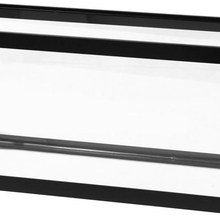
A 20-gallon long tank is the minimum for one axolotl, with a 40-gallon breeder better if you're keeping two. Floor space matters more than height for this bottom-dwelling species. Use a secure lid, axolotls are capable of climbing out given the chance.
Water Temperature: The Defining Requirement
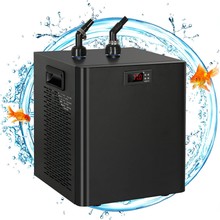
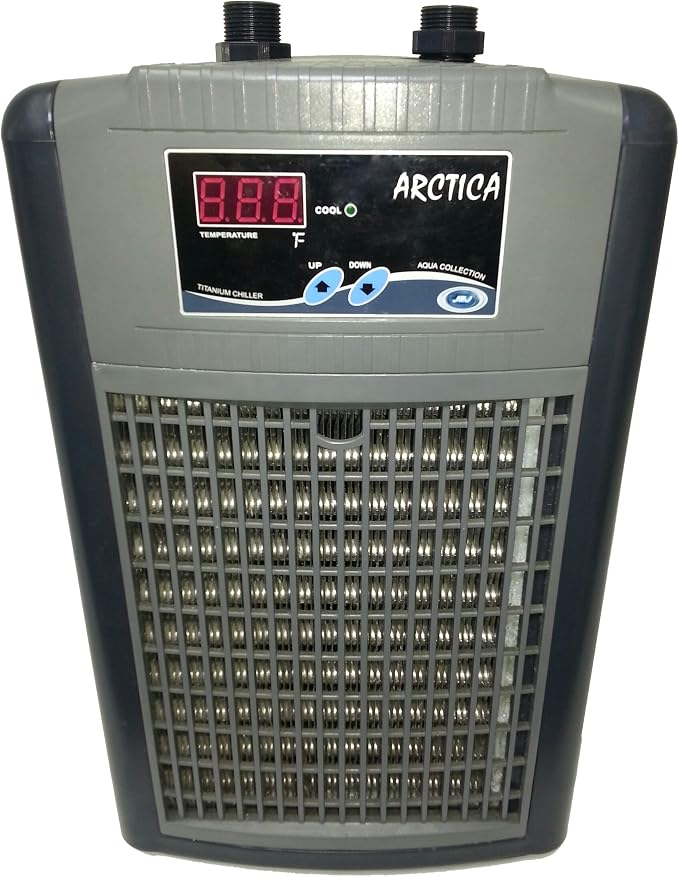
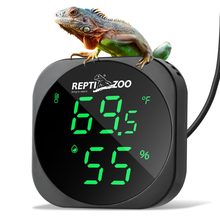
Keep the water between 60 and 68°F. Above 72°F starts to cause chronic stress, and it can become fatal in the mid-70s. Do not use a heater. Instead, plan for an aquarium chiller (or the JBJ Arctica Titanium if you want a quieter premium option) or, in cooler climates, fan-based cooling to keep temperatures in range, especially through warm months. A reliable thermometer makes it easy to catch drift before it becomes a problem.
Water Parameters
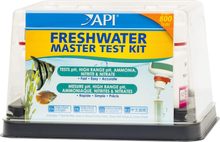
Ammonia and nitrite should both read 0, nitrate should stay low, ideally under 10 ppm, and pH should sit around 7.4 to 7.8. Check these with a water test kit. The tank needs to be fully cycled before an axolotl goes in, this isn't a species that tolerates an uncycled tank while it establishes itself. Our guide to why axolotls need cold, clean water walks through the nitrogen cycle step by step and explains what each of these readings is actually telling you.
Axolotls never go through the land-based metamorphosis most salamanders do, they keep their gills and stay fully aquatic for their entire lives. That's exactly why nothing in a proper axolotl setup, unlike a lot of other amphibian tanks, needs a land area or a basking spot at all.
Substrate: The Other Non-Negotiable Rule
Use fine sand with grains under 1mm, or skip substrate entirely and go bare-bottom. Never use gravel or small rocks. Axolotls are opportunistic eaters and will ingest loose substrate along with their food, and anything larger than fine sand carries a real impaction risk. Keep juveniles under 5 inches on a bare-bottom tank until they're larger and less prone to accidental ingestion.
Filtration
Use low flow. Axolotls dislike current and can become stressed by filters designed for more active fish. A gentle sponge filter or a canister filter with the output diffused through a spray bar both work well.
Diet
Earthworms or nightcrawlers, cut into appropriate sizes for juveniles, are the nutritionally complete staple. Sinking pellets (salmon-based or invertebrate-formulated options) work as a supplement, and bloodworms make a good occasional treat. Adults eat every 2 to 3 days, juveniles daily.
A Few Other Details
Keep lighting dim, axolotls don't have eyelids and are sensitive to bright light. Provide hides for security. And keep the tank species-only, axolotls don't do well housed with fish, which can nip at their gills or outcompete them for food.
Once this setup is in place, day-to-day handling should stay minimal. The Axolotl encyclopedia profile has more on the species.
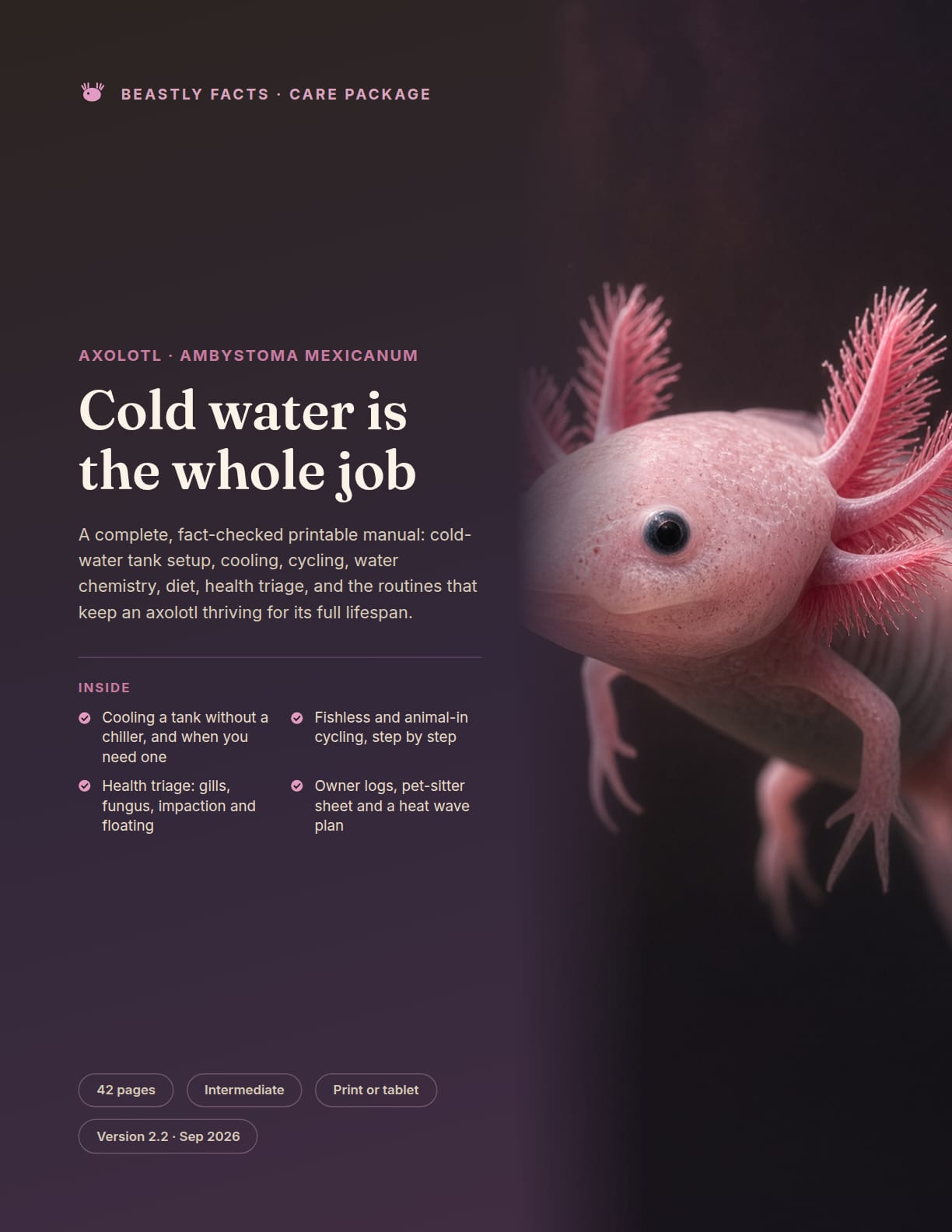
Want this as a printable reference? The Axolotl Care Package turns this guide into a 42-page PDF you can keep by the enclosure, $8.99.
Gills are only part of how one breathes, since it uses skin and simple lungs as well, which the axolotl Beastfile explains.
Sources & Further Reading
Last reviewed 18 Jul 2026 · 3 sources
❓ Frequently Asked Questions
What size tank does an axolotl need?
A 20-gallon long for one, and a 40-gallon breeder if you keep two. Floor space counts for more than height with a bottom-dweller. Use a secure lid: they can climb out given the chance.
What temperature should axolotl water be kept at?
Between 60 and 68°F. Don't use a heater, plan for a chiller or, in cooler climates, fan-based cooling instead. Above 72°F starts to cause chronic stress, and temperatures in the mid-70s can be fatal.
What substrate is safe for an axolotl tank?
Fine sand under 1mm, or nothing at all. Gravel and small rocks are out: axolotls swallow loose substrate with their food, and anything bigger than fine sand carries a real impaction risk.
What do axolotls eat?
Earthworms or nightcrawlers as the staple, since they are nutritionally complete, cut down for juveniles. Sinking pellets supplement that, bloodworms are an occasional treat. Feed adults every 2 to 3 days and juveniles daily.
📰 More on the Axolotl
📘 Axolotl care guide
🦎 How Much Does an Axolotl Really Cost?
🦎 Should You Handle an Axolotl? Only When You Truly Have To
🦎 Common Axolotl Health Issues (Most Trace Back to Temperature)
🦎 Axolotl Feeding: Schedule, Diet, and the Substrate Mistake That Matters Most
🦎 Axolotl Enrichment: Hides, Foraging, and Safe Novelty
🛒 Recommended Gear
As an Amazon Associate, we earn from qualifying purchases through the links above - at no extra cost to you.
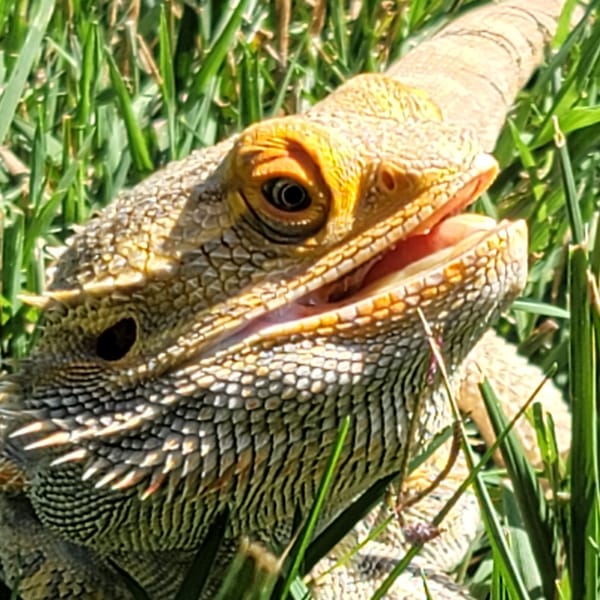
Written by Michael Ryan
Mike keeps two rescued bearded dragons, Dex and Cera, and writes the care guides on BeastlyFacts from his own research and mistakes. He is not a veterinarian.
More about Michael Ryan →Comments
No comments yet - be the first!