Axolotl Feeding: Schedule, Diet, and the Substrate Mistake That Matters Most
On This Page▾

Axolotl feeding is straightforward once you understand one central fact about this species: they gulp their food whole, which shapes nearly every rule on this page, including the most important one about what's on the tank floor.
The Staple Diet
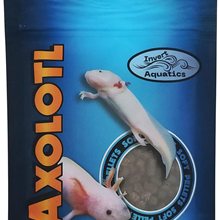
Axolotls are carnivores that eat a variety of invertebrate prey, no plant matter is needed in this species' diet at all. The gold-standard staple is earthworms or nightcrawlers, high in protein, well-balanced, and easy for an axolotl to digest, paired with a quality sinking pellet formulated specifically for axolotls or carnivorous amphibians. Frozen bloodworms, brine shrimp, and daphnia work well for hatchlings and juveniles or as occasional variety, but shouldn't be the entire diet on their own.
Feeding Frequency and Portions
Size each meal to roughly your axolotl's head, and remove anything uneaten after 15 to 30 minutes to protect water quality. Frequency slows down considerably as your axolotl grows:
- Hatchlings (0 to 3 months): live food 2 to 3 times daily.
- Juveniles (3 to 6 months): about once a day.
- Sub-adults (6 to 12 months): every 1 to 3 days.
- Adults (12-plus months, over about 7.5 inches): every 2 to 3 days. Adults have slower metabolisms and genuinely need that extra time to digest food properly in cool water.
Foods to Avoid
Skip feeder fish, they carry real parasite risk, and many common feeder species contain an enzyme that causes a vitamin B deficiency over time. Avoid mammalian meat like beef heart or chicken, axolotls can't properly digest mammalian fat and protein. Hard-shelled feeders, adult mealworms, crickets, and crayfish, are genuinely risky too, their exoskeletons are difficult to digest and can cause internal injury.
This is the detail that matters most: never use gravel or small rocks as substrate. Because axolotls gulp their food rather than carefully selecting it, they readily swallow whatever's nearby, and swallowed gravel causes intestinal blockage that can require surgery and can be fatal. Fine sand under about 1mm, or a bare-bottom tank, is the safe choice.
Supplementation
None generally needed. A varied diet of worms and formulated pellets covers this species' nutritional needs without additional vitamins or minerals.
The Mistakes That Matter
Gravel substrate is genuinely the most consequential mistake on this list, it's directly responsible for the impaction that sends more pet axolotls to emergency surgery than almost anything else, and it's entirely avoidable with the right substrate choice.
The second common mistake is continuing juvenile feeding frequency into adulthood, an adult fed daily the way a juvenile would be becomes obese and stresses water quality. And feeding the wrong food, feeder fish or mammalian meat instead of worms and proper pellets, causes real digestive and nutritional problems even without an acute impaction event.
Check the Axolotl encyclopedia profile for more.
Sources & Further Reading
Last reviewed 13 Aug 2026 · 1 source
- VCA Animal Hospitals: Axolotls as Pets
- PetMD: What Do Axolotls Eat?
- LafeberVet: Care of the Axolotl
❓ Frequently Asked Questions
What do axolotls eat?
Invertebrate prey, and no plant matter. Earthworms or nightcrawlers are the gold-standard staple, high in protein and easy to digest, alongside a sinking pellet made for axolotls or carnivorous amphibians. Bloodworms, brine shrimp, and daphnia suit hatchlings and juveniles, or add variety, but not as the whole diet.
How often should I feed my axolotl?
Hatchlings (0 to 3 months) eat live food 2 to 3 times daily. Juveniles (3 to 6 months) eat about once a day. Sub-adults (6 to 12 months) eat every 1 to 3 days. Adults (12-plus months, over about 7.5 inches) eat every 2 to 3 days, their slower metabolism needs that extra time to digest in cool water.
Why is gravel substrate dangerous for axolotls?
They gulp food instead of picking it out, so gravel goes down with the meal. That blockage in the intestine can require surgery and can be fatal. Use fine sand under about 1mm, or run the tank bare-bottom.
Can axolotls eat feeder fish?
Skip them. They carry real parasite risk, and an enzyme in many common feeder species causes a vitamin B deficiency over time.
Do axolotls need vitamin or calcium supplements?
Generally no. Worms and formulated pellets, varied, cover the nutritional needs without extra vitamins or minerals.
How much should I feed an axolotl at each meal?
Roughly the size of your axolotl's head. Take out anything uneaten after 15 to 30 minutes so water quality holds.
📰 More on the Axolotl
🛒 Recommended Gear
As an Amazon Associate, we earn from qualifying purchases through the links above - at no extra cost to you.
Written by Michael Ryan
Mike keeps two rescued bearded dragons, Dex and Cera, and writes the care guides on BeastlyFacts from his own research and mistakes. He is not a veterinarian.
More about Michael Ryan →Comments
No comments yet - be the first!