Ackie Monitor Enrichment: Eight Out of Eight, First Try, Ten Minutes
On This Page▾

Some enrichment results need explaining. This one does the persuading on its own.
Eight juvenile black-throated monitors were presented with a transparent tube containing food. All eight worked out how to open it within ten minutes, on the first trial. For an animal like this, a bare enclosure is not a neutral environment.
What the Monitor Research Found
Manrod, Hartdegen and Burghardt tested juvenile black-throated monitors (Varanus albigularis) at Knoxville Zoological Gardens with a transparent food tube apparatus. All eight opened the tube within ten minutes in the first trial.
Later work looked at latency in problem solving as evidence of learning in varanid and helodermatid lizards: across longitudinal testing with puzzle-feeder devices, all tested lizards showed a pattern of decreasing latencies over time. That was interpreted as learning, not repetition. A zoo study in Thailand separately examined enrichment effects on the activity and spatial distribution of captive monitor lizards.
The literature notes that while providing stimulus enrichment is accepted practice for mammals, extending it to non-avian reptiles has barely been explored as an aid to cognitive development, despite monitor lizards having a long-standing reputation for being highly curious and intelligent.
The honest scope note: these are Varanus albigularis results and the ackie is Varanus acanthurus. This is genus-level evidence. What transfers is that varanids solve novel food problems fast, which is a property of the group.
Substrate Depth, Which Is the Whole Enclosure Decision
Ackies are obligate burrowers that construct extensive tunnel systems, and depth is the single largest housing choice you make for them. A shallow layer is bedding, not a burrow.
Give them enough burrowing substrate to build in, mixed so a tunnel holds its shape. Reaching a real depth across a six-foot floor takes several bags of anything sold in a bag, so price that in before the build.

A separate damper dig zone lets them excavate humid tunnels without you keeping the entire arid-species enclosure wet.
Puzzle Feeding, the Item the Research Points At
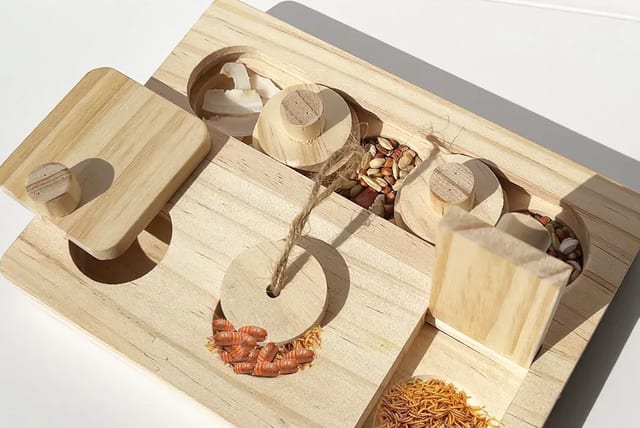
A transparent container with food visible inside is essentially the study apparatus, and it is trivially easy to improvise. Vary it: food under a moveable object, inside a tube, buried at a new spot, in a container that has to be tipped.
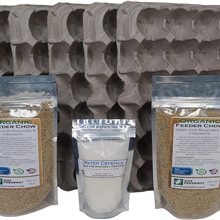
An extraction puzzle board covers the extraction half off the shelf, and an ackie is small enough for one to fit properly. Live prey from a roach colony adds pursuit on top of extraction, though gut loading those feeders still decides what the ackie gets out of them.
Space, Which Is Not Optional Here
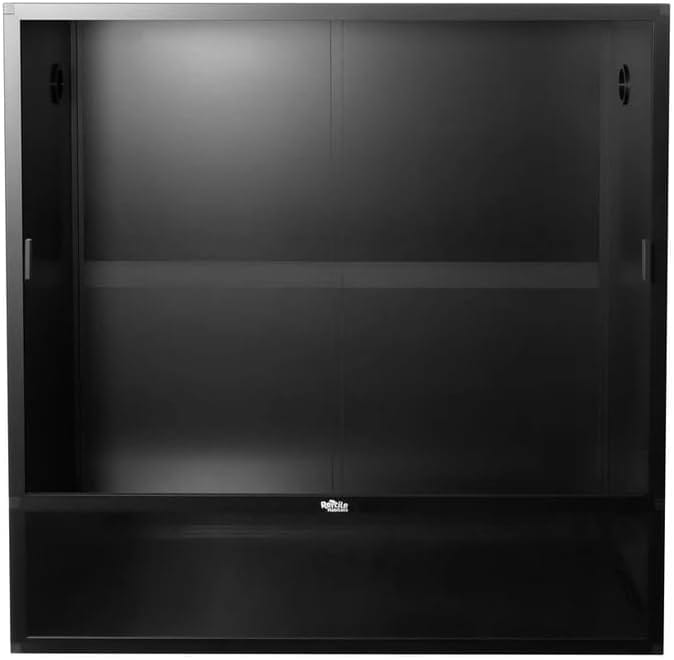
Ackies are active foragers that cover ground. A large PVC enclosure gives them both the footprint to range and the height for the climbing they also do. Rock stacks, cork and branches turn that volume into terrain rather than empty air.
Target Training
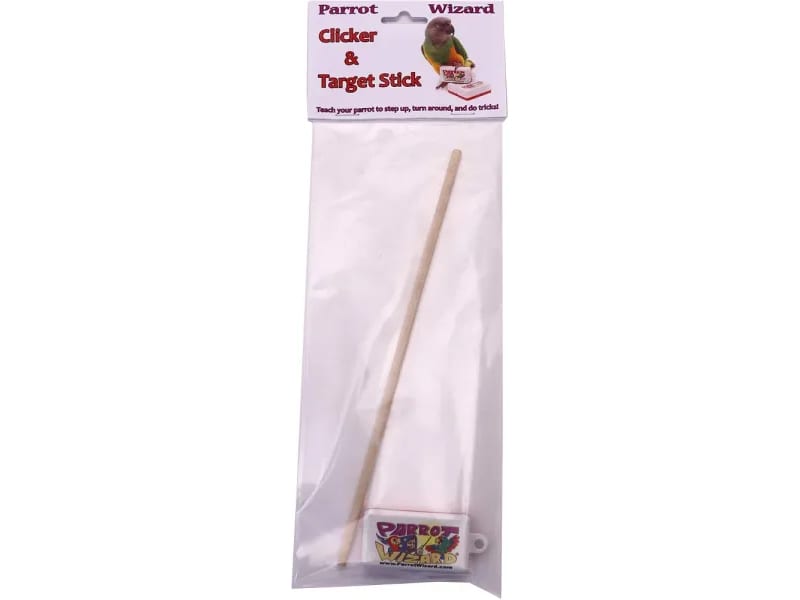
Monitors are routinely target-trained in zoo collections, and it works as cognitive enrichment and cooperative-care husbandry simultaneously. A clicker and target stick and a few minutes daily makes weighing, health checks and shifting the animal much less stressful for both of you.
Priority Order
- Substrate deep enough for a real burrow system
- Enclosure footprint and height, since this is an active forager
- Puzzle and extraction feeding, the part the research points at
- A separate humid dig zone
- Climbing structure and rock stacks
- Target and station training
- Scent novelty and rearrangement
What Not to Do
Do not keep a burrowing monitor on a shallow substrate layer, since burrowing is the behavior the enclosure exists to allow. Do not bowl-feed an animal that solves puzzle tubes in ten minutes. Do not skip the basking surface temperatures this species needs while chasing enrichment, because thermal husbandry outranks everything here. Do not overfeed while making food more interesting, since ackies gain weight readily.
Most of this depends on the enclosure being right first: deep substrate and the basking surface temperatures come before any puzzle board, and puzzle feeding only works if the diet behind it does.
Sources & Further Reading
4 sources
- Manrod JD, Hartdegen R and Burghardt GM. Rapid solving of a problem apparatus by juvenile black-throated monitor lizards. Animal Cognition
- Latency in problem solving as evidence for learning in varanid and helodermatid lizards. Copeia
- A preliminary study of the effects of enrichment on the activity and spatial distribution of captive monitor lizards
- Training and enrichment of ectotherms. Frontiers in Ethology
❓ Frequently Asked Questions
What did the monitor problem-solving study find?
At Knoxville Zoological Gardens, eight juvenile black-throated monitors (Varanus albigularis) were tested with a transparent food tube apparatus. All eight learned to open the tube within ten minutes on the first trial. Later longitudinal work with puzzle-feeder devices found latencies decreasing over time across tested lizards, which was interpreted as evidence of learning.
Does research on a different monitor species apply to ackies?
It is genus-level evidence rather than species-specific, and a guide should say so. Ackies are Varanus acanthurus and the study animals were Varanus albigularis. The transferable finding is that varanids solve novel food problems quickly, which is a property of the genus rather than of one species.
How deep should ackie substrate be?
Deep enough for real burrow construction, which for this species means substantially deeper than most keepers provide. Ackies are obligate burrowers that build extensive tunnel systems, and depth is the single largest enclosure decision for them.
Can ackie monitors be target trained?
Yes, and monitors are routinely target-trained in zoo collections. Training is cognitive enrichment and cooperative-care husbandry at once, making weighing, health checks and shifting the animal far less stressful.
Do they need a dig box separate from the substrate?
For an ackie the whole floor should effectively be a dig box, but a separate tub of damper material gives them a humid excavation zone without you having to keep the entire substrate wet, which matters for a species from arid Australia.
Is a puzzle feeder appropriate for a monitor?
It is the item the research most directly supports. A transparent tube with food visible inside is essentially what the study used, and it is easy to improvise, though a wooden extraction board with sliders and lift-out plugs saves the trouble.
📰 More on the Ackie Monitor
📘 Ackie Monitor care guide
🦎 How Much Does an Ackie Monitor Really Cost?
🦎 How to Handle an Ackie Monitor
🦎 Common Ackie Monitor Health Issues and What Causes Them
🦎 Ackie Monitor Enclosure Setup: Bigger, Hotter, and Deeper Than You'd Guess
🦎 Ackie Monitor Feeding: Schedule, Diet, and Why They Stop Eating
🛒 Recommended Gear
As an Amazon Associate, we earn from qualifying purchases through the links above - at no extra cost to you.
Written by Michael Ryan
Mike keeps two rescued bearded dragons, Dex and Cera, and writes the care guides on BeastlyFacts from his own research and mistakes. He is not a veterinarian.
More about Michael Ryan →Comments
No comments yet - be the first!