Russian Tortoise
Testudo horsfieldii
On This Page▾
🌍 Overview
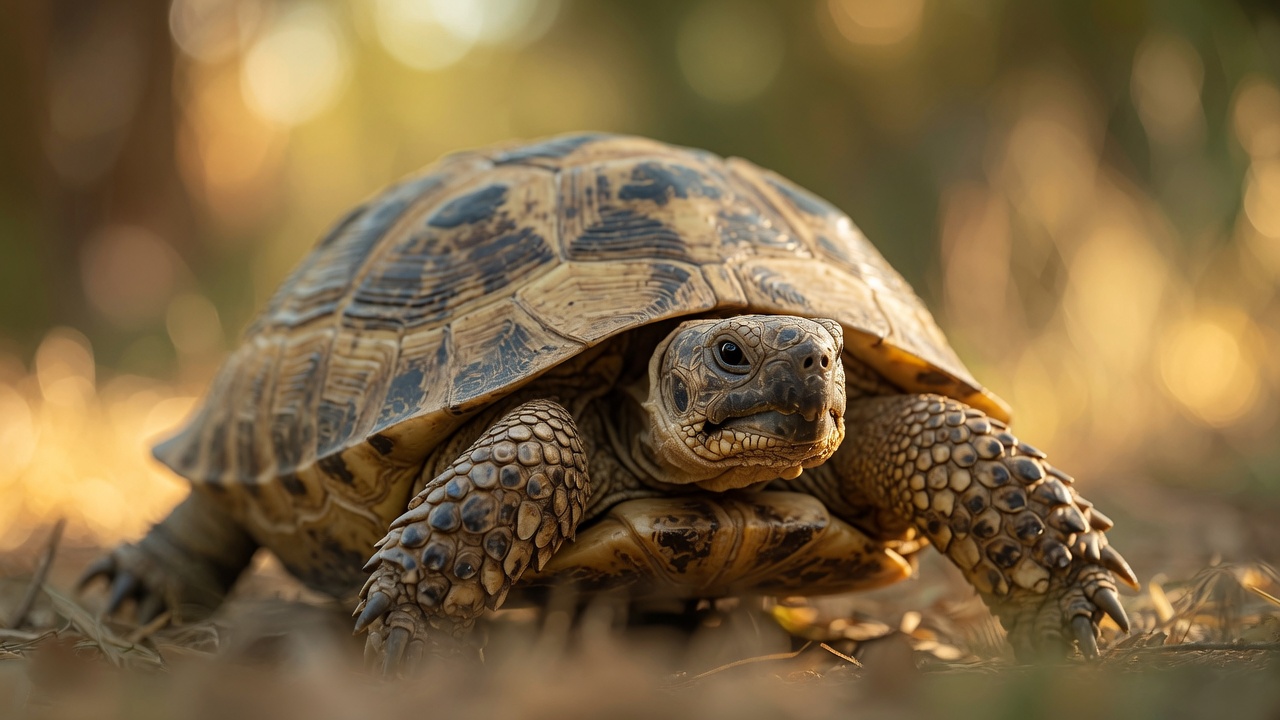
The Russian tortoise (also called Horsfield's tortoise) is a compact, hardy species native to the arid steppes and rocky desert from Kazakhstan to Pakistan and China. They are one of the world's most cold-tolerant tortoises, surviving extreme temperature swings by hibernating deep underground for months at a time. Among the smallest and hardiest of the commonly kept tortoise species, they have been popular pets for decades.
📋 Quick Facts
Native Range
Central Asia (Kazakhstan, Uzbekistan, Iran, Pakistan, China)
Natural Habitat
Semi-arid steppe, rocky desert, and dry scrubland
Adult Size
5-10 inches (13-25 cm)
Wild Diet
Grasses, leaves, flowers, and plant matter
Wild Lifespan
Not well documented in the wild; the widely quoted 40 to 50 years, with some individuals reported past 60, is a captive-care range
Conservation Status
Vulnerable (IUCN)
📜 History
The Russian tortoise has been traded heavily for the global pet market since the mid-1970s, long enough that a wild-caught animal was the norm for most of that history. It sits on CITES Appendix II, where trade runs on export quotas the range states set for themselves, and the IUCN lists it as vulnerable. Uzbekistan is the main exporter today and Ukraine supplies a smaller share, with captive breeding running alongside a continuing wild-caught supply. The difference matters to a buyer, since wild-caught tortoises arrive stressed and carrying parasites and die at a higher rate than captive-bred ones.
⚖️ Compare
Russian Tortoise
Human
Adult Size
5-10 inches (13-25 cm)
5-6 feet (150-185 cm); ~135-200 lbs
Wild Lifespan
Not well documented in the wild; the widely quoted 40 to 50 years, with some individuals reported past 60, is a captive-care range
~73 years (global average)
Wild Diet
Grasses, leaves, flowers, and plant matter
Omnivorous - eats just about anything
Native Range
Central Asia (Kazakhstan, Uzbekistan, Iran, Pakistan, China)
Global - originated in Africa roughly 300,000 years ago
Natural Habitat
Semi-arid steppe, rocky desert, and dry scrubland
Everywhere from arctic tundra to tropical megacities
Conservation Status
Vulnerable (IUCN)
Least Concern (8+ billion and counting)
🧠 Test Yourself
What's the Russian Tortoise's native range?
🤩 Fun Facts
🐢 100-Year Commitment
Tortoises can live for over 100 years, so adopting one is genuinely a lifelong commitment. You may need to include them in your will!
📖 Care Guide
Russian Tortoise Care Guide
The compact, hardy tortoise that digs first and asks later!
⚖️ Where it is legal
10 US jurisdictions restrict this species, from outright bans to permits. Every one quotes the rule it comes from.
⚖️ Legal Guide
Subscribe - it's free
New animal facts and care guides straight to your inbox. No spam. 🐾
📰 Deep Dive
🐢 How Much Does a Russian Tortoise Really Cost?
🐢 How to Handle a Russian Tortoise
🐢 Common Russian Tortoise Health Issues and What Causes Them
🐢 Russian Tortoise Enclosure Setup: Compact Housing With Real Requirements
🐢 Russian Tortoise Feeding: Fiber, Calcium, and Growing Slowly
🐢 Russian Tortoise Enrichment: Digging, Grazing, and Exploration
🩺 Health and More
🔌 Reptile Emergency Plan: Power Outages, Travel, and Pet Sitters
🐢 Tortoise Herpesvirus: Why Every New Tortoise Needs Months of Quarantine, Not Weeks
💧 Reading Reptile Stool, Urates, and Hydration: A Daily Health Check
🐢 Tortoise Soaking: How Often, How Deep, How Warm, and How Long
🧼 Salmonella and Reptile Hygiene: The Rules That Actually Matter
🌡️ Reptile Heating and Thermostats: Preventing Burns
🐢 Tortoise Brumation: Which Species, and How to Do It Right
🐢 Tortoise Sexing, Eggs, and Egg Binding
🌿 Safe Weeds and Wild Plants for Tortoises, Uromastyx, and Iguanas
🏡 Outdoor Reptile Housing: Pens, Predators, and What Actually Kills Them
📋 Succession Planning for a Pet That May Outlive You
🦎 Understanding Reptile Shedding (Ecdysis)
⚠️ Four Pets, Four Things Nobody Mentions Before You Buy
🦎 Three Reptiles Worth Starting With, Each for a Different Reason
🐢 Sulcata Tortoise vs. Russian Tortoise: Which Tortoise Actually Fits Your Space
🤓 Did You Know?
Russian tortoises are one of the world's most cold-tolerant tortoise species. They can survive sub-zero temperatures in the wild by hibernating (brumating) deep underground for months at a time!
Explore More