How Much Does a Pet Mouse Really Cost?
On This Page▾

A pet mouse is one of the cheapest animals to buy, and one of the easiest to under-budget for, because two facts change the math more than the sticker price does: mice need to live in a group, not alone, and that group has a real housing complexity of its own.
The Mouse Itself: $5 to $20, Usually Times Two or Three
Most fancy mice run $5 to $10 from a breeder and $10 to $20 at a larger pet-store chain, with adoption or rescue often landing at $0 to $10. That's cheaper than a dwarf hamster and in the same ballpark as a gerbil, but the number worth planning around is the group, not the individual. Mice are social animals, and the RSPCA is direct about solitary housing being stressful enough to reserve for cases where a vet has specifically advised it.
Sex is the detail that actually changes the shopping list. In the RSPCA's own words, single-sex groups of females "usually get on well together," while intact adult males housed together are prone to real fighting, especially once they can smell an unfamiliar male or a female nearby. That doesn't rule males out. Littermate groups established before weaning and never added to afterward do fine, and desexing is a genuine option for males kept together, but it does make a male group a more deliberate project than a female one. It's a meaningfully bigger factor here than it is for the closely related rat, where this kind of same-sex grouping caution is less central.
Upfront Setup: Roughly $100 to $210
| Item | Cost Range |
|---|---|
| Mouse (each; budget for a small group) | $5 - $20 |
| Cage sized and spaced for mice (18x18x10 in minimum, solid floor) | $35 - $80 |
| Smooth, mouse-sized exercise wheel (6-8 in) | $12 - $22 |
| Paper-based bedding | $18 - $30 |
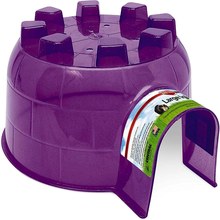
| Hideout or nest box | $10 - $20 |
| Food and water dishes | $10 - $18 |
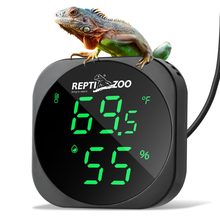
| Digital thermometer | $11 - $19 |
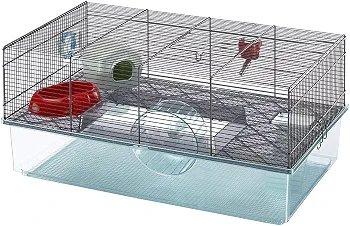


The wheel is listed without a specific product link on purpose: a hamster-sized 10 to 12 inch wheel is oversized for a mouse, which needs something closer to 6 to 8 inches, and there isn't a verified-safe pick worth linking here yet. The cage is more specific. Mice need bar spacing of no more than about a quarter inch (6mm), tighter than most small pets require, and plenty of cages marketed broadly for "small animals," including some with spacing around three-eighths of an inch, sound tight but are still wide enough for a mouse to squeeze through, which is why the cage priced above is sold as a hamster cage rather than a mouse-branded one: it is one of the few with tight enough spacing. Add those two correctly sized items to the rest of the list and a proper first setup runs roughly $100 to $210 including one mouse, plus another $5 to $40 for the second or third mouse the group actually needs.
Ongoing Costs: Roughly $10 to $20 a Month
| Item | Annual Cost |
|---|---|
| Mouse or rat-formulated lab block or pellets | $20 - $35 |
| Fresh vegetables (small amounts) | $15 - $30 |
| Bedding replacement | $45 - $80 |
| Chew toys and enrichment refresh | $10 - $20 |
| Annual exotic vet wellness check | $35 - $75 |


Prices last checked September 2026 at PetSmart and Small Pet Select. Retail prices move; treat the table as a snapshot, not a quote.
Bedding is the line item that moves the most, and it's tied directly to odor. Male mouse urine carries a distinctly strong smell, and letting a cage go too long between cleans lets ammonia build up in a way that's a genuine respiratory risk, not just unpleasant. That table comes to $125 to $240 a year, which is where the $10 to $20 a month figure comes from. Other published estimates for mouse ownership run as high as $45 a month depending on group size and how much fresh produce you offer.
Vet Costs
A routine exam at an exotics-experienced practice typically runs $35 to $75, though it's worth confirming ahead of time that a given vet actually sees mice, not every general practice does. Treating an actual illness costs more, and given how quickly a small animal like a mouse can decline, that's not a cost worth deferring on. One widely cited mouse-cost guide notes that many owners skip routine vet visits for mice entirely given the cost relative to the animal's value, a real pattern worth naming honestly, even though it isn't the same as saying it's the right call.
Lifespan: Short, Even Next to a Rat
Pet fancy mice typically live 1.5 to 2 years. The Merck Veterinary Manual puts the average pet mouse lifespan at 18 to 24 months, and mice kept under ideal, calorie-controlled conditions have occasionally lived to around 5 years, though that's a real outlier, not something to plan a budget around.
A mouse's lifespan is genuinely short even next to its closest relative, the rat. Pet fancy rats commonly live 2 to 3 years, while pet fancy mice average 18 to 24 months, meaning a mouse's whole life often fits inside the first two years of a rat's. That's less time to spread a setup cost across, but it also means a mouse asks for a shorter total commitment than almost any other small mammal.
The Honest Budgeting Takeaway
A pet mouse is arguably the cheapest small mammal to house properly, not because any single item is unusually cheap, but because everything scales down with the animal. A correctly sized cage, a correctly sized wheel, and a correctly sized dish all cost less than the hamster or gerbil equivalent. The catch is that "correctly sized" is doing more work here than it does for almost any other species. A too-wide bar spacing or an oversized wheel isn't a minor mismatch, it's the difference between a secure setup and one a mouse escapes from within a week.
The full Mouse encyclopedia profile has the wild background behind an animal that fits through a quarter-inch gap.
The fancy mouse also shows up alongside the fancy rat and flying squirrel in our roundup of Three Small Mammals That Get Dismissed as Just Rodents.
Sources & Further Reading
❓ Frequently Asked Questions
How much does a pet mouse itself cost?
Most fancy mice run $5 to $20 depending on where you buy, with breeders typically around $5 to $10 and larger pet-store chains running $10 to $20. Adoption or rescue is often $0 to $10. Since mice shouldn't be kept alone, budget for at least two to three from the start, ideally females, which group together far more reliably than males.
What does a full mouse setup cost upfront?
Roughly $100 to $210 for a proper group setup. A correctly sized, tightly spaced cage and a smooth, mouse-sized wheel are the two items worth shopping around for rather than grabbing the cheapest option, since mice are harder to house securely than a hamster or gerbil despite being smaller.
What are the ongoing monthly costs for mice?
Roughly $10 to $20 a month, which is what the annual table above adds up to: pellets, small amounts of fresh produce, bedding replaced often enough to keep ammonia from building up, chews, and a yearly vet check. Other published estimates run as high as $45 a month depending on group size and how much fresh produce you offer.
How much does mouse vet care cost?
A routine exam at an exotics-experienced practice typically runs $35 to $75, though not every general vet will see a mouse at all, worth confirming before you need one. Treating an actual illness can run well beyond that, and one widely cited guide notes that many owners skip routine vet visits for mice entirely given the cost relative to the animal's value, which isn't the same as saying it's the right call.
How does a mouse's short lifespan affect the cost math?
Pet fancy mice typically live 1.5 to 2 years, occasionally longer, shorter than the 2 to 3 years typical of a pet rat despite the two being closely related. That's less time to spread the setup cost across, but also a shorter total commitment than almost any other small mammal.
📰 More on the Mouse
📘 Mouse care guide
🐭 How to Handle a Pet Mouse (Faster, Jumpier, and Easy to Underestimate)
🐭 Common Pet Mouse Health Issues (Respiratory Disease Moves Fast)
🐭 Mouse Enclosure Setup: Why a Wire Cage Beats a Glass Tank Here
🐭 What Do Pet Mice Eat? Diet, Portions, and Foods to Avoid
🐭 Mouse Enrichment: Give Them Far More Nesting Material Than You Think
🛒 Recommended Gear
As an Amazon Associate, we earn from qualifying purchases through the links above - at no extra cost to you.
Written by Michael Ryan
Mike keeps two rescued bearded dragons, Dex and Cera, and writes the care guides on BeastlyFacts from his own research and mistakes. He is not a veterinarian.
More about Michael Ryan →Comments
No comments yet - be the first!