Common Flying Squirrel Health Issues (Diet Drives Almost Everything)
On This Page▾

Flying squirrel health comes down to diet more than almost any other factor. Get it right and this is a resilient exotic pet. Get it wrong, and problems can appear suddenly.
Illness Is Often Hidden Until It's Advanced
Like most small pet rodents, flying squirrels are prey animals by instinct. Rodents do not show obvious signs of pain or disease until a condition is far along, and a sick rodent often reaches the vet late, when the outlook is more guarded. A squirrel that is a little quieter or eating a little less can already be ill. Take any of these to an exotic vet promptly:
- A change in appetite, or ignoring a favorite treat
- Less activity, or reluctance to climb or glide
- Wobbling, trembling or dragging the back legs
- Weight loss
- Thinning fur or patches of hair loss
- Diarrhea
- Overgrown or crooked front teeth
- Labored or noisy breathing
- Discharge from the nose or eyes
- Heat stress: rapid breathing, lethargy or lying stretched out in a warm room. Move the squirrel somewhere cool and call the vet.
Paralysis, seizures, a broken bone, labored breathing or heat stress mean a vet visit the same day.
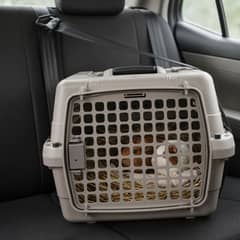
A seriously ill rodent can be harmed by the stress of handling itself. Move it to the vet in a covered carrier, quietly, and let the vet do the handling.
Flying squirrels are exotic patients in most general practices. Line up that vet while the squirrel is healthy, and ask the clinic whether it has treated and anesthetized small rodents, the same screening questions that apply to any small mammal.
Metabolic Bone Disease
This is the most common serious health issue in captive flying squirrels, and it is almost entirely diet-driven. The cause is a calcium-poor, phosphorus-heavy diet, typically one built around nuts, seeds and acorns without calcium correction. The target calcium-to-phosphorus ratio is roughly 2:1.
Early signs are lethargy, reduced appetite and reluctance to climb or move normally. Untreated, it progresses toward hind-limb weakness and tremors, and in advanced cases fractures, paralysis and seizures. The decline can be gradual, or a squirrel that seemed fine can be found paralyzed with little warning.
Flying squirrels can make some vitamin D through skin exposure to light, not just from food. Give regular access to natural or full-spectrum light alongside dietary calcium.
See an exotic vet at the first sign of reduced appetite, lethargy or coordination changes. Do not wait to see if it resolves on its own. Caught early, this is treatable with corrected calcium, vitamin D3, light exposure and an overall diet fix under veterinary guidance. Prevention works better: a properly balanced diet with a rodent-block staple and consistent plain calcium powder from the start, with vitamin D coming from daily light. Vitamin D3 is fat-soluble and toxic in excess. Add it to the three-times-a-week calcium routine only at a dose a vet sets.
Dental Disease
Flying squirrels are true rodents, and like all rodents, their incisors are rootless and grow continuously throughout life. Inadequate wear can lead to overgrown or misaligned incisors, a recognized issue across pet rodents. A rodent with bad teeth loses condition because it cannot eat properly. It is a smaller risk here than bone disease, but build it into routine care:
- Give the squirrel things to gnaw every day.
- Look at the front teeth regularly for length and alignment.
- Check the nails at the same time.
Small rodents that dig and run mostly keep their nails worn down, so the job is a look for overgrowth rather than a trim schedule. An older or less active squirrel is the one most likely to need a trim.
Obesity and Malnutrition
This comes from a diet too heavy in nuts, seeds and sugary fruit for how little a caged animal moves. A wild forager covers long distances every night. Cut back the treat-heavy items and lean on the balanced staple, and book a vet visit to confirm the adjustment is right.
Diseases People Can Catch
Wild southern flying squirrels can carry Rickettsia prowazekii, the bacterium behind epidemic typhus, and in the United States they are the animal linked to its rare sylvatic form. The fleas and lice living on the squirrels pick it up, and people are thought to be infected through those parasites or their droppings. The exact route is still unknown.
It is rare: 41 human cases were documented in the US from 1976 through 2002, about a third of them with known contact with flying squirrels or their nests. In one Pennsylvania cluster, four people fell ill, all linked to a single cabin and bed at a summer camp, and most of the flying squirrels trapped nearby carried the bacterium.
The illness brings fever, muscle aches, severe headache and a rash, though the rash does not always appear, and confusion can follow. Most cases happen in the coldest months, when wild flying squirrels move into attics and wall spaces to nest.
Most documented cases trace to wild squirrels and their nests. At home, the protection is parasite control: the new-squirrel check below, no wild-caught animals, and washed hands after handling the squirrel or cleaning the cage.
Typhus is the infection tied to this species, but pet rodents in general can carry germs such as Salmonella even when they look clean and healthy. Pregnant women should avoid handling pet rodents where they can, because of the risk of lymphocytic choriomeningitis virus.
Anyone who develops a fever with headache and rash after contact with flying squirrels, pet or wild, should mention that contact to a doctor.
Parasites
Wild southern flying squirrels carry a long list of parasites on the skin and fur, including sucking lice, fleas, ticks, mites and chiggers. The louse and the flea that carry typhus are among the most common. Gut worms are common too, though most infections are light.
Check a new squirrel before it joins the household:
- Book a vet visit for a stool test and a skin and fur check soon after it comes home.
- Keep the new squirrel in its own cage until the results are back.
- Treat only with products the vet chooses.
Wild flying squirrels build many nests and abandon each one once it gets dirty and flea-ridden. A cage nest cannot be abandoned, so change the nest lining often and wash pouches at every cleaning.
Never house a southern flying squirrel with a northern one. The southern species carries a roundworm that is lethal to the northern flying squirrel.
Flying squirrels glow. Under ultraviolet light, the fur of every living species in the genus Glaucomys fluoresces bright pink, in males and females alike. Daytime squirrels living in the same forests do not, and why flying squirrels glow is still unknown.
Mange and Hair Loss
Squirrel mange is caused by mites specific to squirrels. It shows up as hair loss that begins over the chest and shoulders, and in squirrels it can be fatal, particularly in winter. It spreads by direct contact and through contaminated nests, where the mites survive for weeks in cold, humid conditions. Take a squirrel with thinning fur to the vet, and clean out or replace any used nest box before a new squirrel moves into it.
Bedding, Heat and Cold
Bedding and room conditions cause problems in pet rodents that are easy to prevent:
- Wood chips. Pine and aspen chips that have not been heat-treated give off compounds that irritate a rodent's airways. Use paper bedding or a heat-treated product.
- Heat. Excess heat and humidity cause heatstroke in rodents. Keep the cage out of direct sun and away from heaters.
- Cold. Flying squirrels do not hibernate. They stay active through winter nights, the coldest time of day, and gliding adds to their heat loss, so wild ones get through the winter by huddling in groups. Keep the cage out of drafts, and do not leave it in an unheated room in winter.
Calcium, Light and a Vet Found Early
Most of what goes wrong with a flying squirrel starts in the food dish, and a prey animal hides it until late. Feed the rodent-block staple with calcium, give daily light, and keep nuts as treats. Treat any quiet day or skipped meal as a reason to call the vet you lined up in advance.
Sources & Further Reading
Last reviewed 15 Nov 2026 · 7 sources
- Merck Veterinary Manual: Overview of Rodents; Mice and Rats as Pets
- Animal Diversity Web: Glaucomys volans (southern flying squirrel)
- CDC: Chapman et al., Cluster of Sylvatic Epidemic Typhus Cases Associated with Flying Squirrels, 2004 to 2006 (Emerging Infectious Diseases 15(7), 2009); Epidemic Typhus Associated with Flying Squirrels, United States (MMWR); Healthy Pets, Small Mammals
- Ectoparasites and gastrointestinal helminths of southern flying squirrels in southeast Georgia. Journal of Parasitology (2000)
- Cornell Wildlife Health Lab: Mange
- COSEWIC Status Report on the Southern Flying Squirrel, Government of Canada: Biology; Limiting Factors
- Kohler, A.M. et al. (2019). Ultraviolet fluorescence discovered in New World flying squirrels (Glaucomys). Journal of Mammalogy 100(1)

Log weight, feeding and meds, so your vet has the full picture. The Universal Pet Kit has it, among 19 forms for any pet that you can type into or print.
Frequently Asked Questions
What is the most common serious health issue in pet flying squirrels?
Metabolic bone disease. It is almost entirely diet-driven, caused by a calcium-poor, phosphorus-heavy diet. The usual culprit is a diet built around nuts and seeds without calcium correction.
What are the warning signs of metabolic bone disease in a flying squirrel?
A quiet squirrel that eats less and stops climbing is the first warning. Weak back legs and trembling come next, then broken bones, paralysis or seizures. It can move fast, so see a vet at the first change.
Do flying squirrels get dental problems the way other pet rodents do?
Yes. Flying squirrels are true rodents with continuously growing incisors, and dental disease from inadequate wear is a recognized issue across pet rodents. It is a smaller risk than bone disease, but worth watching for.
What causes obesity in captive flying squirrels?
Too many nuts, seeds and sugary fruit for an animal that moves far less in a cage than a wild forager does. Diet correction handles it at home, and a vet visit confirms the adjustment is right.
Why is it hard to tell when a flying squirrel is sick?
Like most prey-animal rodents, flying squirrels tend to mask illness rather than show obvious signs of pain or distress, often appearing close to normal until a condition is fairly advanced. Take any change in appetite, activity or coordination to an exotic vet promptly.
More on the Flying Squirrel
Recommended Gear
As an Amazon Associate I earn from qualifying purchases through the links above, at no extra cost to you.

Written by Michael Ryan
Mike keeps two rescued bearded dragons, Dex and Cera, and writes the care guides on BeastlyFacts from his own research and mistakes. He is not a veterinarian.
More about Michael Ryan →You May Also Like
Subscribe - it's free
An occasional email when something new is worth your time. No spam.
Deep Dive
Health and More