Flying Squirrel Feeding: Diet, Schedule, and the Calcium Ratio That Prevents Paralysis
On This Page▾

A flying squirrel's wild diet of acorns, seeds, fungi, insects, and the occasional bird egg is easy to approximate badly in captivity, and getting the calcium-to-phosphorus balance wrong is the leading cause of serious illness in this species.
The Wild Diet, and What It Means for a Captive One
Wild Southern flying squirrels are omnivores with a genuinely varied diet: acorns and other nuts, seeds, berries and fruit, fungi, tree bark and buds, insects, bird eggs, and occasional carrion, and Animal Diversity Web specifically notes hickory nuts and acorns as their main winter food cache. A 2014 dietary preference study in The American Midland Naturalist tested wild squirrels against several natural food sources and confirmed a real preference among the different acorn types offered rather than random foraging. That's a heavily nut-and-seed diet in the wild, but it's also an animal that's foraging constantly, burning far more energy than a caged pet ever will.
The Captive Framework: Rodent Block, Produce, Protein
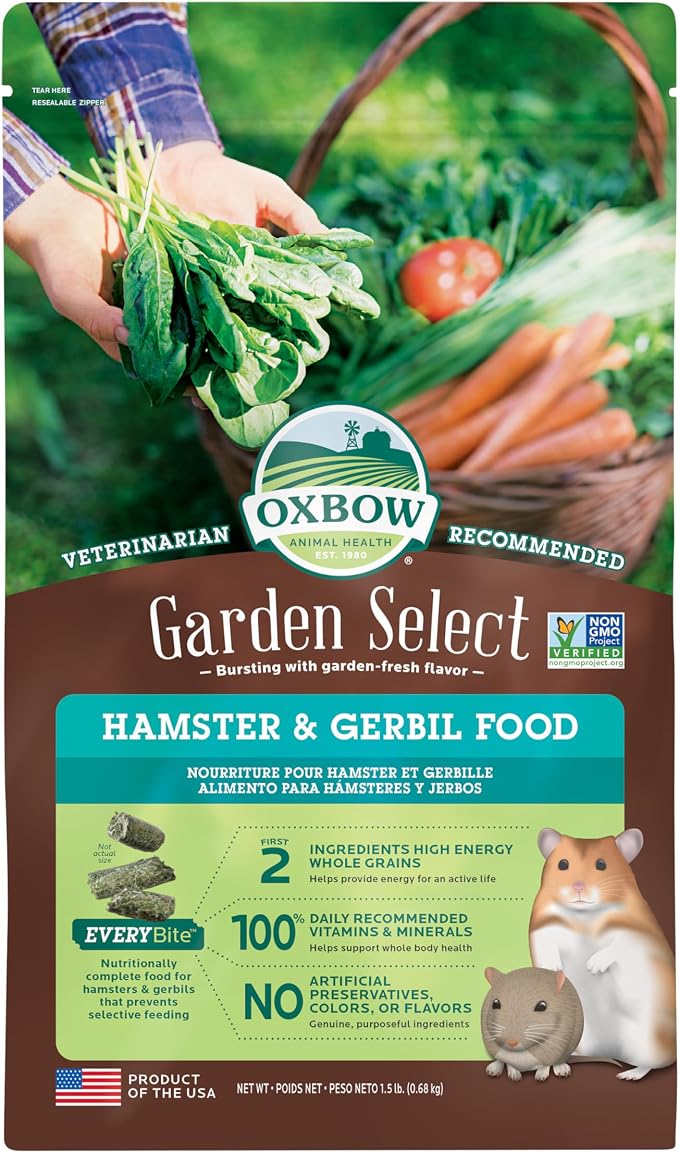
A high-quality pelleted rodent-block staple works as the nutritional foundation, the same "block" concept used across pet rodents generally, not sold as squirrel-specific but functionally the same balanced, pre-formulated base. Build the rest of the diet around it: fresh produce daily, and a protein source, mealworms, crickets, a little cooked chicken, or hard-boiled egg, several times a week. Nuts, seeds, and dried fruit are best treated as occasional treats layered on top, not the base of the diet the way a wild squirrel's diet might suggest.
Feeding Frequency and Portions
Offer fresh food in the evening. Flying squirrels are strictly nocturnal, most active from dusk through the night, so a morning feeding routine misses their actual appetite window. Keep the rodent-block staple available, add produce daily, and rotate in a protein source several times a week. Fresh water stays available at all times from a bottle mounted to the cage, with the sipper tube checked daily. Keep nuts and seeds to a genuinely small portion, they're calorie-dense and phosphorus-heavy, and a captive squirrel eating them at anything close to wild-forager frequency will run into weight and calcium problems fast.
Foods to Avoid
The core mistake is a diet that's effectively all nuts and seeds, whether that happens by accident or because it's what people assume a squirrel wants. That combination is both too high in fat for a caged animal's activity level and too phosphorus-heavy relative to calcium. Skip chocolate, dairy, candy, and anything processed or heavily salted entirely, none of it appears anywhere in a wild diet, and none of it does a captive squirrel any favors either.
Supplementation: The Part That Matters Most
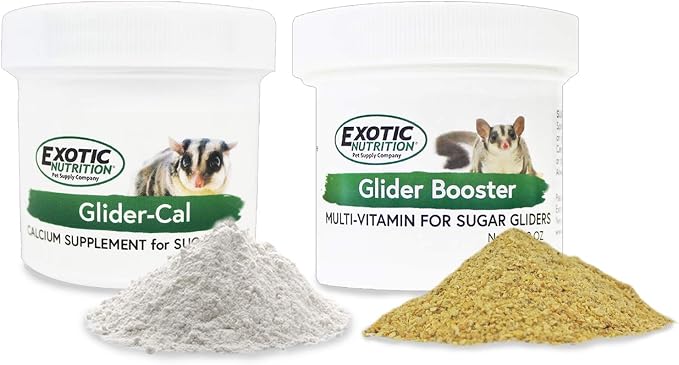
Flying squirrels share the sugar glider's core nutritional risk: a captive diet that runs calcium-poor and phosphorus-rich unless it's actively corrected. The target calcium-to-phosphorus ratio is roughly 2:1. In practice, that means a calcium and vitamin D3 supplement dusted onto food regularly, not just reached for once something looks wrong.
There's a real difference from sugar gliders here, though. Because flying squirrels can synthesize some vitamin D through skin exposure to light, not just get it from food, keepers are generally advised to provide at least 20 minutes a day of natural or full-spectrum light alongside dietary supplementation, rather than relying on diet alone the way a glider's care sheet might suggest. A calcium and vitamin D3 multivitamin, the same kind of powder sold for sugar gliders, covers the same calcium-and-D3 correction a flying squirrel's diet needs, since the underlying deficiency risk is functionally identical between the two species.
The Mistake That Matters
Left uncorrected, a phosphorus-heavy, calcium-poor diet causes metabolic bone disease: the body leaches calcium out of the bones to keep blood calcium levels stable, and the bones weaken until they fracture. Early signs include lethargy, reduced appetite, and reluctance to climb or move normally, progressing toward hind-limb weakness, tremors, and in advanced cases, paralysis and seizures. That progression can be gradual or, in some cases, alarmingly sudden. Any of those early signs need an exotic vet promptly, not a wait-and-see approach.
The Flying Squirrel encyclopedia profile has the natural history behind the wild diet above.
Sources & Further Reading
Last reviewed 15 Sep 2026 · 6 sources
- Glaucomys volans (southern flying squirrel), Animal Diversity Web
- Woodland Wildlife Spotlight: Southern Flying Squirrel, University of Maryland Extension
- Dietary Resource Preference of the Southern Flying Squirrel (Glaucomys volans), The American Midland Naturalist
- Metabolic Bone Disease in Squirrels, Squirrel Refuge
- Pet Flying Squirrel Complete Care Guide, Janda Exotics
- Flying Squirrel Characteristics, Furry Critter Network
❓ Frequently Asked Questions
What do pet flying squirrels eat?
A base of high-quality rodent-block pellets, supplemented daily with fresh produce and a protein source (mealworms, crickets, or a little hard-boiled egg or chicken) several times a week, plus a calcium and vitamin D3 supplement. Nuts and seeds are best treated as occasional treats rather than a staple, even though that's what people picture first.
How often should you feed a flying squirrel, and how much?
Offer fresh food in the evening, since flying squirrels are nocturnal and most active from dusk through the night. Keep the rodent-block staple available, add produce daily and protein several times a week, and treat nuts, seeds, and dried fruit as a small, occasional add-on rather than a daily default.
Why is calcium supplementation so important for flying squirrels?
Their natural diet leans on phosphorus-heavy foods like nuts, seeds, and acorns, and a captive diet built the same way runs calcium-poor and phosphorus-rich. Left uncorrected, this causes metabolic bone disease, where the body pulls calcium from the bones to keep blood calcium stable, and the bones weaken until they fracture.
What's the correct calcium-to-phosphorus ratio for a flying squirrel's diet?
Roughly 2:1. In practice that means a calcium and vitamin D3 supplement dusted on food regularly, not just added when something looks wrong, plus at least some access to natural or full-spectrum light, since flying squirrels also synthesize some vitamin D through light exposure rather than diet alone.
What foods should flying squirrels avoid?
An all-seed or nut-heavy diet, for both the phosphorus imbalance and the fat content, which drives obesity fast in a captive animal that's naturally far more active than its cage allows. Also skip chocolate, dairy, candy, and anything processed or heavily salted, none of which show up anywhere in a wild flying squirrel's diet.
📰 More on the Flying Squirrel
📘 Flying Squirrel care guide
🐿️ How Much Does a Pet Flying Squirrel Really Cost?
🐿️ How to Handle a Flying Squirrel (Bonding Starts in the Pouch, Not Your Hands)
🐿️ Common Flying Squirrel Health Issues (Diet Drives Almost Everything)
🐿️ Flying Squirrel Cage Setup: Tall, Not Wide
🐿️ Flying Squirrel Enrichment: A Rodent That Solved the Same Problem
🛒 Recommended Gear
As an Amazon Associate, we earn from qualifying purchases through the links above - at no extra cost to you.
Written by Michael Ryan
Mike keeps two rescued bearded dragons, Dex and Cera, and writes the care guides on BeastlyFacts from his own research and mistakes. He is not a veterinarian.
More about Michael Ryan →Comments
No comments yet - be the first!