How Much Does Discus Ownership Really Cost?
On This Page▾

Discus are one of the pricier community fish you can keep, and the cost isn't the fish itself, it's the filtration and water-change routine this species demands.
The Fish: $20 to $450 or More
Young, common-strain discus run $20 to $40. Nicer adult specimens more typically run $50 to $150, and premium or rare strains, blue diamond, pigeon blood, and high-grade red melon among them, regularly climb to $200 to $450 or more per fish. Price is heavily strain-dependent, more so than for most other community fish, and it stacks up fast: discus are a social fish that do best in a group of 5 to 6 or more rather than alone or in pairs, so the starting cost is closer to $150 to $250 for a small group even at the budget end.
Discus have been nicknamed the "king of the aquarium" for decades, largely for their color and their reputation as one of the harder freshwater fish to keep well. That reputation is also exactly why price varies so much within the species. A plain, common-strain juvenile and a show-quality pigeon blood adult are the same animal biologically, but selective breeding for pattern and color is what actually drives the gap between a $20 fish and a $400 one, not size or rarity in the wild.
Upfront Setup: Roughly $600 to $800
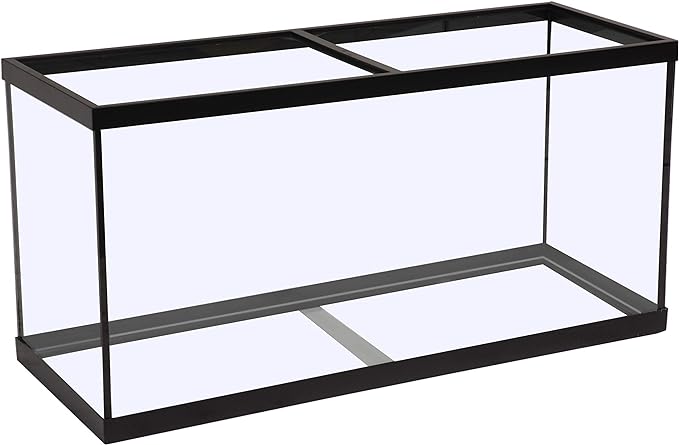
A 55-gallon tank is commonly cited as the practical entry point for a small group, though several experienced sources recommend 75 gallons or more, since a 55-gallon tank forces noticeably more frequent water changes to keep up with this species' bioload. Either way, tank height and filtration strength matter more here than the exact gallon number.
| Item | Cost Range |
|---|---|
| 55-gallon tank (or 75-gallon-plus for a larger group) | $290 - $310 |
| Canister filter, sized well above the tank's actual volume | $250 - $320 |
| Aquarium heater (budget toward the higher wattage end, or run two, for a tank held at 82-86°F) | $18 - $30 |
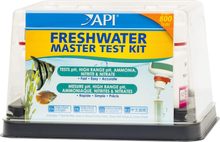
| Water test kit | $25 - $40 |
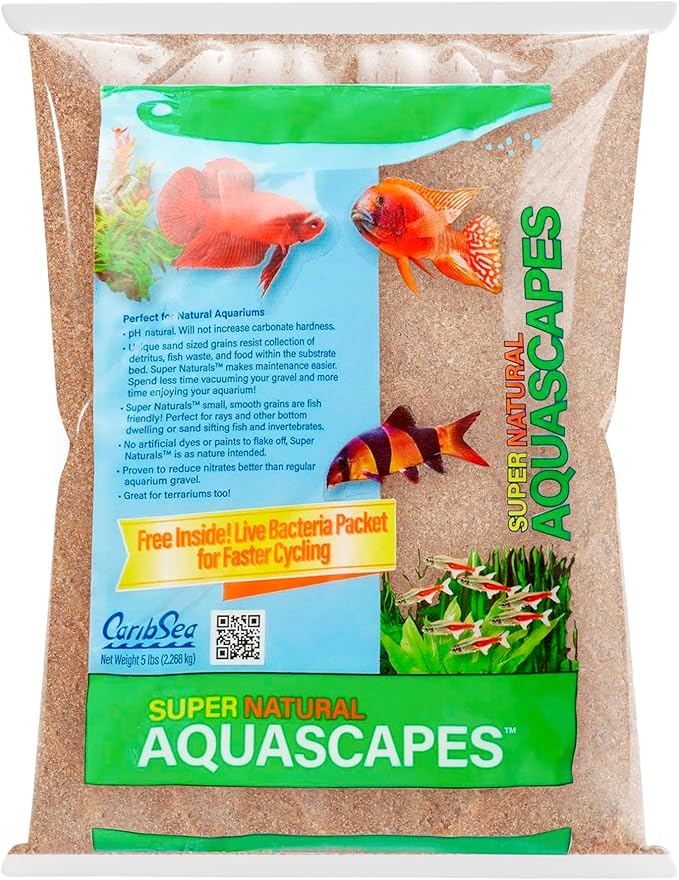
| Fine sand substrate (skip entirely for a bare-bottom setup) | $12 - $18 |
| Driftwood | $15 - $30 |
| Broad-leafed live plants | $18 - $35 |

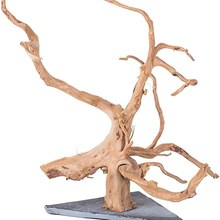

That's roughly $630 to $780 before you factor in water treatment. If your tap water is on the hard side, and discus want soft, slightly acidic water, a basic RO or RO/DI unit is a real additional cost, commonly landing somewhere in the $70 to $150-plus range depending on capacity. Between that and the case for a larger tank, an all-in budget of $700 to $900 is realistic for a proper first setup, which lines up with what dedicated discus-keeping sources actually recommend having on hand before you start.
Ongoing Costs: Roughly $20 to $50 a Month
| Item | Monthly Cost |
|---|---|
| Quality pellets or granules, frozen bloodworms and brine shrimp, occasional beef-heart mix | $20 - $40 |
| Water conditioner | Small recurring cost |
| Electricity and water for frequent, large water changes | Adds up more than for a typical community tank |
Prices last checked September 2026 at LiveAquaria and PetSmart. Retail prices move; treat the table as a snapshot, not a quote.
Food and conditioner alone are a modest cost, similar to a lot of community fish. What actually pushes the discus budget up is the water-change habit this species needs to stay healthy long term, more electricity for a heater working to hold a warmer tank, and real water usage from changing a meaningful fraction of the tank on a regular basis rather than the smaller, less frequent changes a hardier community fish tolerates.
Vet Costs
Aquatic vet care is uncommon and specialized. Most keepers manage illness themselves with water-quality correction and over-the-counter medications like metronidazole (sold as Fish Zole or MetroPlex) rather than professional visits. A water test kit on hand to catch a water-quality problem early does more for this species than for most, since discus decline is often not obvious until it's already advanced.

Lifespan
10 to 15 years with excellent, stable care is the commonly cited range, though some sources put the typical captive lifespan closer to 8 to 10 years. Consistency is genuinely the deciding factor here more than for most community fish: discus kept in clean, stable, properly heated water tend to live meaningfully longer than ones kept in conditions that swing between good and neglected. Compare that to angelfish, a related, hardier Amazonian cichlid, which tolerates a wider margin of error and is generally considered the more forgiving of the two.
The Cost Lesson With This Species
The fish itself is rarely the biggest line item unless you're chasing a premium strain. What actually drives the discus budget is filtration sized well above the tank's actual volume and a water-change routine more demanding than most freshwater community fish need, both non-negotiable for keeping this species healthy long term rather than just alive.
The discus also shows up alongside the zebra danio, bristlenose pleco, and cardinal tetra in our roundup of Four Fish, Four Completely Different Difficulty Levels.
Check the Discus encyclopedia profile for more.
Sources & Further Reading
Last reviewed 5 Sep 2026 · 3 sources
❓ Frequently Asked Questions
How much does a discus fish cost?
$20 to $40 for young, common strains, more typically $50 to $150 for nicer adult specimens, and $200 to $450 or more for premium and rare strains like blue diamond or pigeon blood. Since discus need a group of 5 to 6 or more to feel secure, budget for that multiplier rather than a single fish's price tag.
What does a proper discus tank setup cost?
Roughly $600 to $800 for a real 55-gallon setup, tank, strong filtration, heater, substrate, driftwood, and plants, and more once you add an RO/DI unit for hard tap water or step up to a 75-gallon-plus tank.
What are the ongoing monthly costs for a discus?
Roughly $20 to $50 a month in food, quality pellets or granules, frozen bloodworms and brine shrimp, sometimes a beef-heart mix, plus water conditioner and test kit supplies. The bigger recurring cost is the electricity and water behind the frequent, large water changes this species needs to stay healthy.
Do discus need regular vet visits?
Rarely. Aquatic vet care is uncommon and specialized, and most keepers manage illness themselves with water-quality correction and over-the-counter medications like metronidazole. Budget for medication and a water test kit on hand rather than office visits.
How long do discus live?
The commonly cited range is 10 to 15 years with excellent, stable care, though some sources put the typical captive lifespan nearer 8 to 10. Consistency counts for more here than with most community fish: clean, stable water all year tends to buy meaningfully longer life than water that is good one week and neglected the next.
📰 More on the Discus
📘 Discus care guide
🐠 Discus Aren't Handled, But They Are Surprisingly Social for a Cichlid
🐠 Common Discus Health Issues (And What Actually Prevents Them)
🐠 Discus Tank Setup: Why the Water-Change Routine Matters More Than the Gallon Number
🐠 Discus Feeding: Schedule, Diet, and the Beef-Heart Debate
🐠 Discus Enrichment: A Nervous Cichlid Needs a Group and a Quiet Room
🛒 Recommended Gear
As an Amazon Associate, we earn from qualifying purchases through the links above - at no extra cost to you.
Written by Michael Ryan
Mike keeps two rescued bearded dragons, Dex and Cera, and writes the care guides on BeastlyFacts from his own research and mistakes. He is not a veterinarian.
More about Michael Ryan →Comments
No comments yet - be the first!