Discus Tank Setup: Why the Water-Change Routine Matters More Than the Gallon Number
On This Page▾

Discus tolerate a narrower range of water conditions than most community fish, and the tank size number matters less than most people expect, the water-change routine is what separates a discus tank that works from one that doesn't.
Tank Size
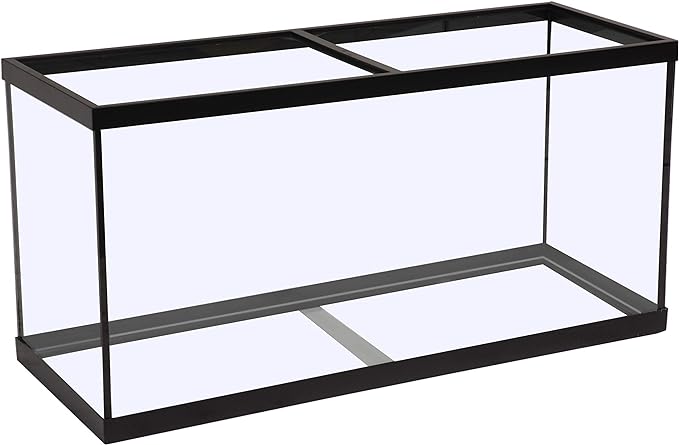
55 gallons is commonly cited as the practical entry point for a small group. That said, several experienced discus-keeping sources push back on treating 55 gallons as anything more than a floor, recommending 75 gallons or larger instead, since a 55-gallon tank forces meaningfully more frequent water changes to keep pace with a proper group's waste output. A standard 55-gallon tank runs about 20 inches tall, which suits this species' broad, tall body shape well, taller and deeper tanks are generally preferred over long, shallow ones for discus. Whichever size you land on, plan for a real group, 5 to 6 fish or more, since this is a genuinely social species that does poorly alone or in a pair outside of breeding.
Temperature
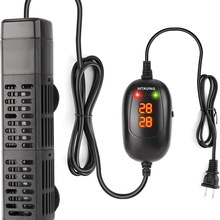
82 to 86°F, warmer than nearly every other common community fish and warm enough that it genuinely limits realistic tankmate options. Wild Heckel discus tolerate water closer to 90°F, but 82 to 86°F is the standard range cited for keeping captive-bred discus long term. A reliable heater is essential, and given how much warmer this range runs than a typical community tank, many keepers budget toward the higher end of standard wattage guidance, or run two heaters, since a heater failure is a bigger problem at this temperature and tank size than in a cooler setup.
Water Chemistry
Soft and slightly acidic, roughly pH 6.0 to 7.0 for keeping, though sources vary somewhat on the exact edges of that range. This mimics the Amazon blackwater this species comes from, tributaries of the Rio Negro in particular, where wild pH commonly runs 6.0 to 6.5 and drops as low as 4 in certain blackwater spots, with very soft water overall. Hard tap water often needs an RO or RO/DI unit to bring it into a workable range for discus, since chasing pH down chemically without addressing hardness tends to be unstable. A test kit is the only reliable way to confirm your actual numbers rather than guess at them.
The pH range recommended for keeping discus, roughly 6.0 to 7.0, is already on the acidic side for a community tank. Their native water is more extreme than that. In the blackwater creeks and flooded forests off the Rio Negro where wild discus actually live, pH commonly sits around 6.0 to 6.5 and can drop as low as 4 in some spots, water soft enough to carry almost no measurable hardness. Captive discus don't need conditions that extreme to thrive, but it's a useful reminder of just how far this species is from a typical hard-water community tank.
Filtration
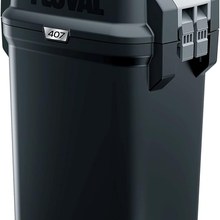
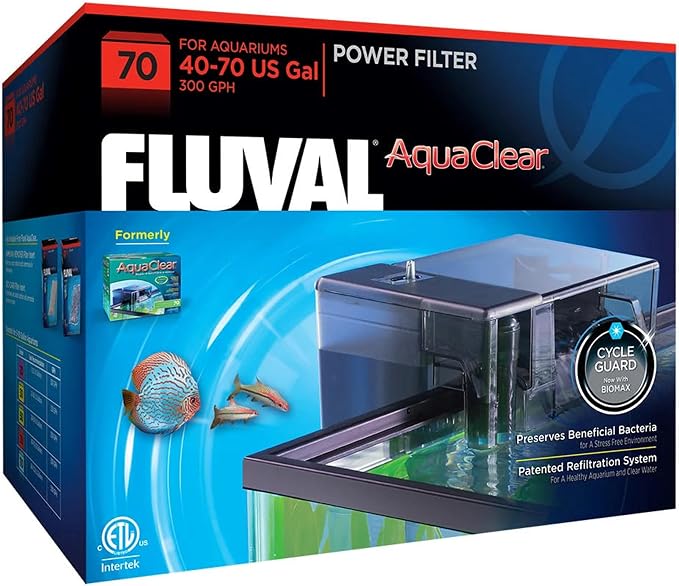
This is a genuine point of disagreement rather than a settled answer. Canister filters, sized well above the tank's actual volume, are the most common modern choice and handle this species' heavy bioload from frequent feeding and large water changes well. At least one discus-specialty source pushes back on canister filters specifically, arguing they're sealed systems that compete with the fish for dissolved oxygen and can fail dangerously during a power outage, recommending a hang-on-back filter instead, or a canister paired with extra surface agitation or an air stone for supplemental oxygenation. A sponge filter is the standard choice for fry and breeding tanks, gentle enough not to pull in small fry while still providing real biological filtration. Whatever you choose, avoid under-gravel filters, decomposing waste trapped underneath is a real risk given how much this species eats and produces.
Substrate
Genuinely a matter of priorities rather than one correct answer. Bare-bottom tanks are the standard choice among breeders and serious keepers specifically because they're the easiest to keep clean given how often discus tanks get water changes, nothing traps waste that then has to be vacuumed out from between gravel. A layer of fine sand is the common middle ground, more natural-looking than bare glass while still showing uneaten food clearly enough to remove before it fouls the water, unlike gravel, where food settles between pieces and is easy to miss.
Decor and Plants
Build in cover without crowding the swimming space this tall-bodied fish needs. Driftwood arranged vertically and broad-leafed plants, Amazon sword and anubias are commonly recommended, suit this species' natural blackwater look and give a genuinely shy fish somewhere to retreat, which matters given how easily discus stress. Floating plants that soften the light from above are a worthwhile addition for the same reason.
The Non-Obvious Requirement: Frequent Water Changes
This is the detail that actually defines a working discus tank more than any single equipment choice. Weekly water changes in the 25 to 50% range are commonly recommended, and some serious keepers change water every 2 to 3 days rather than weekly. Ammonia and nitrite are highly toxic to fish even at low concentrations, and discus tolerate less margin for error here than a lot of hardier community fish, which is exactly why this isn't a species for an uncycled or newly established tank. Budget the electricity and water use behind this routine into your ongoing costs, it's a bigger recurring expense here than for most freshwater fish. Small, frequent meals rather than one large feeding also keep the bioload between changes more manageable.
Lighting
A standard LED on an 8 to 10 hour daily cycle works well. Discus don't have unusual lighting needs beyond what supports any live plants in the tank, and given how easily this species startles at bright light, a fixture with a dimmable or gradual-ramp setting is a genuine nice-to-have rather than a necessity.
The Bottom Line
None of the individual pieces here are exotic, warm water, soft acidic chemistry, strong filtration, and a real commitment to frequent water changes are all achievable with standard equipment. What trips people up is treating discus like a slightly warmer version of a typical community tank rather than accepting that the maintenance routine itself needs to be genuinely more frequent. Get that right and this is a long-lived fish, commonly cited at 10 to 15 years.
The Discus encyclopedia profile has more on the species itself.
Sources & Further Reading
❓ Frequently Asked Questions
What size tank does a discus need?
55 gallons is commonly cited as the practical minimum for a small group, though several experienced sources push that to 75 gallons or more, since a 55-gallon tank forces noticeably more frequent water changes to keep pace with this species' bioload. Taller tanks are preferred over long, low ones given this fish's body shape.
What temperature do discus need?
82 to 86°F, warmer than nearly every other common community fish, warm enough that it narrows the tankmate list. Wild Heckel discus take water closer to 90°F, but 82 to 86°F is the standard target for captive-bred fish.
What water chemistry do discus need?
Soft and slightly acidic, roughly pH 6.0 to 7.0. That mirrors the Amazon blackwater the species comes from, where wild pH runs 6.0 to 6.5 and can drop as low as 4. Hard tap water usually needs an RO or RO/DI unit to get there.
What filtration is best for a discus tank?
Debated. Canister filters are the most common modern choice and handle this species' heavy bioload well, but at least one discus-specialty source argues against them as sealed systems that compete with the fish for dissolved oxygen, recommending a hang-on-back or wet-dry filter instead, or a canister paired with extra aeration. Sponge filters are the standard choice for fry and breeding tanks.
How often do discus tanks need water changes?
More often than most community tanks, weekly changes in the 25 to 50% range are commonly recommended, and some serious keepers change water every 2 to 3 days. This is the single biggest recurring task with this species and matters more to long-term health than almost any other setup choice.
📰 More on the Discus
📘 Discus care guide
🐠 How Much Does Discus Ownership Really Cost?
🐠 Discus Aren't Handled, But They Are Surprisingly Social for a Cichlid
🐠 Common Discus Health Issues (And What Actually Prevents Them)
🐠 Discus Feeding: Schedule, Diet, and the Beef-Heart Debate
🐠 Discus Enrichment: A Nervous Cichlid Needs a Group and a Quiet Room
🛒 Recommended Gear
As an Amazon Associate, we earn from qualifying purchases through the links above - at no extra cost to you.
Written by Michael Ryan
Mike keeps two rescued bearded dragons, Dex and Cera, and writes the care guides on BeastlyFacts from his own research and mistakes. He is not a veterinarian.
More about Michael Ryan →Comments
No comments yet - be the first!