Bristlenose Pleco Tank Setup: Driftwood Is the Detail That Actually Matters
On This Page▾

Before tank size or filtration, the decision that matters most with a bristlenose pleco is confirming it's the fish you think it is. Get that right, and the rest of the setup is simple.
The Size Trap: Why "A Pleco" Isn't Enough Information
"Pleco" is used in the aquarium trade as a catchall for almost any sucker-mouthed armored catfish, and that looseness causes real problems. The common pleco (Hypostomus plecostomus) and its Pterygoplichthys relatives are sold at the exact same tiny size as a bristlenose, an inch or two long, but grow into 12 to 24-inch adults that need a 75-gallon-or-larger tank. A bristlenose stays 4 to 6 inches for life. At store size the two can look genuinely similar to an inexperienced buyer, a true bristlenose typically doesn't show its namesake bristles until around 3 inches, and even then only reliably on males, so don't count on the bristles alone to tell them apart early. Ask the store directly for the species name rather than settling for "pleco."
This isn't a hypothetical problem. Common plecos dumped once they outgrew their tanks have established breeding, invasive populations in Texas and Florida waterways, dense enough in places that researchers from Texas A&M and Texas State universities pulled more than 400 of them from a single stretch of the San Marcos River in January 2022 alone.
Wildlife managers didn't remove those 400-plus armored catfish for fun. Invasive plecos burrow into riverbanks to nest, which weakens the banks and drives erosion, and they can survive over 20 hours out of water, which is part of why populations dumped from home aquariums have proven so difficult to eliminate once established.
Tank Size
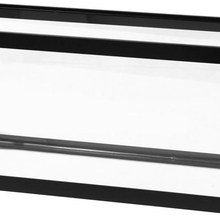
20 gallons is the practical minimum for a single adult bristlenose, and 29 to 30 gallons is genuinely the better long-term choice given how much waste one fish produces relative to its size. Add roughly 10 gallons for each additional bristlenose if you're keeping more than one, and favor extra floor space and driftwood surface over height, this is a fish that spends its life low in the water column rather than swimming in open water.
A 20-gallon long tank is a reasonable starting point, sized up if you're planning ahead for a bigger setup.
Temperature and Water Parameters
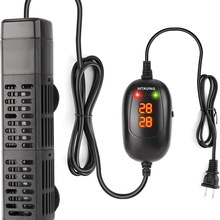
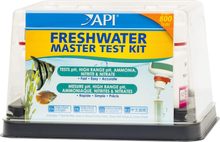
74 to 80°F suits most captive-bred bristlenose, with some sources citing a somewhat wider tolerance either side of that range, a genuine sign of how adaptable this species is. A reliable heater is worth running unless your room stays consistently warm. Aim for a pH around 6.5 to 7.8, and keep ammonia and nitrite at zero through regular water changes, a water test kit is the only reliable way to confirm your actual numbers rather than guess.
Driftwood: Required, Not Decorative
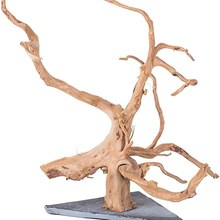
Driftwood belongs in every bristlenose tank from day one. This species rasps wood constantly and instinctively, and most care guides tie that grazing behavior to healthy digestion, fiber and the biofilm colonizing the wood's surface both appear to matter. Skipping it entirely is genuinely associated with digestive problems even in a fish that's otherwise being fed correctly. Buy a substantial piece rather than an ornament, or several pieces: the evidence on wood-eating plecos is clearest in a different group of catfish entirely, and what a bristlenose reliably needs is enough surface to rasp at. Expect tannins to tint the water, which is normal and harmless.
Substrate and Hiding Spots
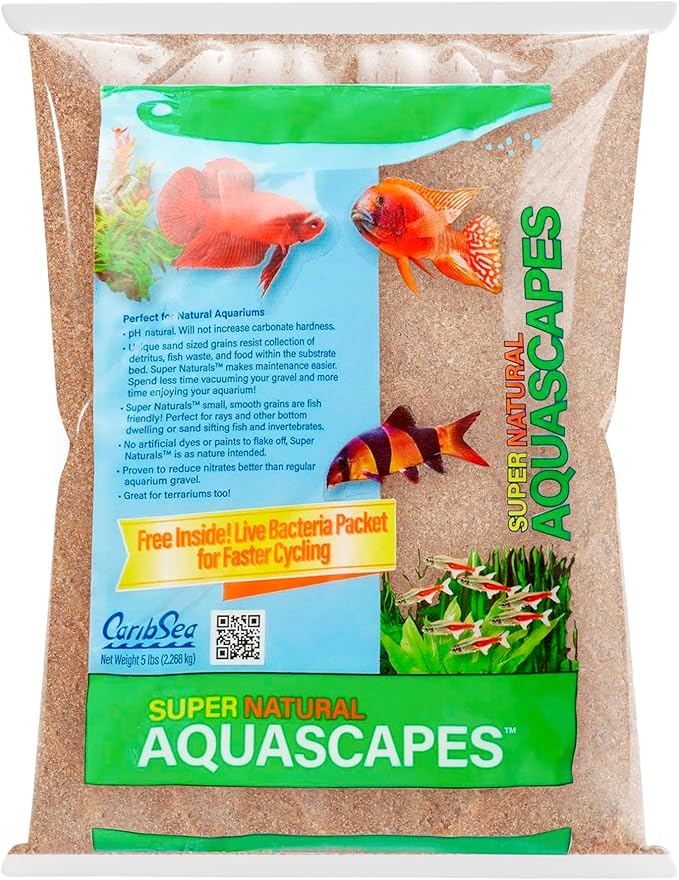
Smooth sand or rounded gravel is the safer choice, sharp substrate can injure the soft underbelly and barbels as a bristlenose forages. CaribSea Super Naturals Aquascape Sunset Gold is a rounded, aquarium-safe sand that works well here. Add caves or PVC pipe for daytime hiding, since bristlenose are nocturnal and spend most daylight hours out of sight, plan for at least one secure hiding spot per fish, more if you're keeping multiple males, since they're territorial with each other.
Filtration: Over-Filter for a Messy Eater
A bristlenose produces more waste than its size suggests, so run a filter rated for more gallons than the tank actually holds rather than the bare minimum. An AquaClear 70, rated for a 40 to 70-gallon tank, is a reasonable choice for a 20 to 30-gallon bristlenose setup precisely because it's oversized for the space.
Lighting
Standard community lighting is fine. This is a nocturnal species that's most active once the lights go down, and it appreciates the option to retreat into shade during brighter parts of the day rather than needing darkness constantly.
The Bristlenose Pleco encyclopedia profile has more on the species itself.
Sources & Further Reading
Last reviewed 15 Sep 2026 · 5 sources
- Smithsonian Magazine: More Than 400 Invasive Fish Dumped From Aquariums Found in Texas River
- Texas Invasives: Hypostomus plecostomus, Pterygoplichthys spp.
- Aquarium Co-Op: Care Guide for Plecostomus
- SeriouslyFish: Ancistrus sp. '3' (Common Bristlenose Catfish)
- Keeping Catfish: Bristlenose Pleco Tank Size 101
❓ Frequently Asked Questions
What size tank does a bristlenose pleco need?
20 gallons is the practical floor for one adult, though 29 to 30 holds up better long term, since this fish produces a lot of waste for its size. Add about 10 gallons per extra bristlenose.
Do bristlenose plecos need driftwood, or is it optional?
It's about as close to required as tank decor gets for this species. Bristlenose rasp driftwood constantly and instinctively, and most care guides tie that behavior to healthy digestion. A tank without any driftwood at all is associated with digestive problems even in a well-fed fish.
What's the biggest mistake people make buying 'a pleco'?
Not confirming the species. The common pleco (Hypostomus plecostomus) is sold at the same tiny size as a bristlenose but grows into a 12 to 24-inch adult needing a 75-gallon-plus tank, a well-documented size surprise that drives constant rehoming and has left escaped plecos established as an invasive species in Texas and Florida waterways. Ask for the species name before you buy, not just 'pleco.'
What water parameters does a bristlenose pleco need?
74 to 80°F and a pH around 6.5 to 7.8 cover most captive-bred bristlenose comfortably, with some sources citing a wider tolerance either side of that. Ammonia and nitrite should read zero, maintained through regular water changes.
Does a bristlenose pleco tank need special lighting or hiding spots?
Standard community lighting is fine, but hiding spots are important. This is a nocturnal fish that spends daylight hours tucked into a cave, PVC pipe, or driftwood, so plan for at least one secure hiding spot per fish, more if you're keeping multiple males.
📰 More on the Bristlenose Pleco
📘 Bristlenose Pleco care guide
🐟 How Much Does Bristlenose Pleco Ownership Really Cost?
🐟 Bristlenose Plecos Aren't Handled, and They're Genuinely Hard to Catch
🐟 Common Bristlenose Pleco Health Issues
🐟 Bristlenose Pleco Feeding: Diet, Driftwood, and the Algae Myth
🐟 Bristlenose Pleco Enrichment: Wood Is Not Optional, For Murkier Reasons Than You Think
🛒 Recommended Gear
As an Amazon Associate, we earn from qualifying purchases through the links above - at no extra cost to you.
Written by Michael Ryan
Mike keeps two rescued bearded dragons, Dex and Cera, and writes the care guides on BeastlyFacts from his own research and mistakes. He is not a veterinarian.
More about Michael Ryan →Comments
No comments yet - be the first!